Over the past few decades, you may have noticed a rise in extreme weather events, impacting not just the environment but also your wallet. The implications extend beyond immediate damages; they include long-term financial burdens that can affect your community, health, and economy. Understanding these hidden costs is vital to preparing for and mitigating the impacts of climate change. According to studies in The global costs of extreme weather that are attributable to …, the economic impact can be staggering when you consider factors such as property damage, infrastructure repair, and increased insurance premiums.
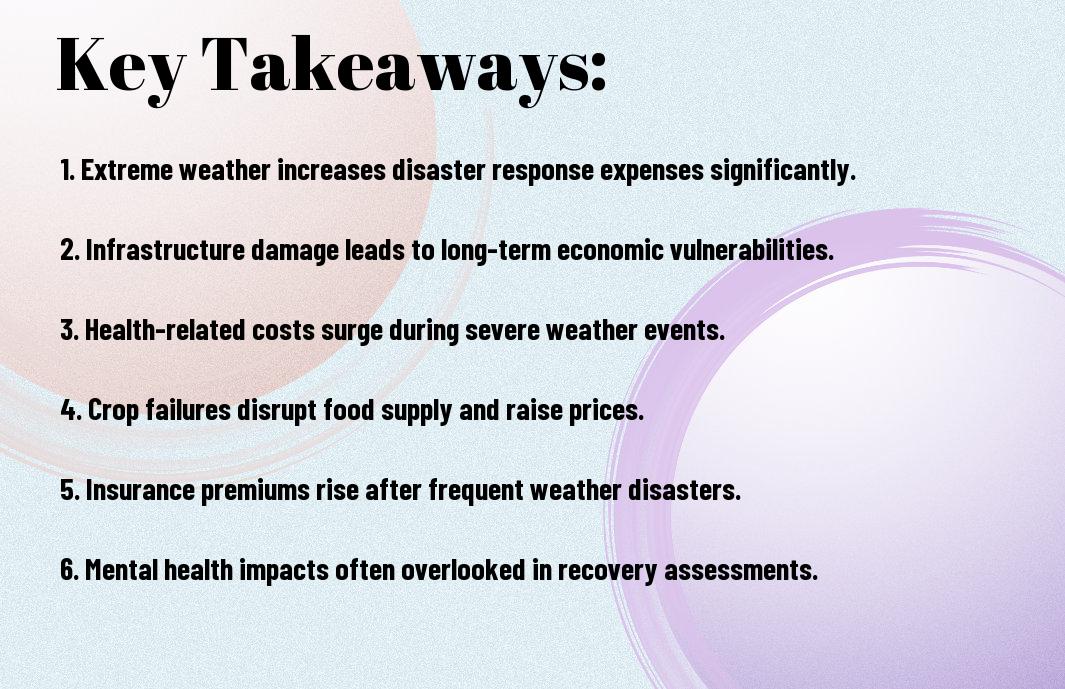
Key Takeaways:
- Economic Impact: Extreme weather events lead to significant financial losses for communities, affecting infrastructure, businesses, and local economies.
- Health Risks: Vulnerable populations may face increased health risks due to heatwaves, flooding, and disease outbreaks triggered by extreme weather.
- Insurance Costs: The rise in frequency and severity of weather events results in higher insurance premiums and may lead to reduced coverage options.
- Displacement: Communities affected by severe weather may experience displacement and loss of housing, creating long-term social and economic challenges.
- Environmental Degradation: Extreme weather can exacerbate environmental issues, such as soil erosion, habitat destruction, and loss of biodiversity.
Understanding Extreme Weather Events
Before plunging into the hidden costs associated with extreme weather events, it’s important to contextualize what these events entail. Extreme weather events are significant deviations from the average weather patterns that can have devastating effects on the environment, economy, and communities. The increasing frequency and severity of these occurrences underscore the urgent need for you to understand their implications.
Definition and Types
Events like hurricanes, floods, and heatwaves are categorized as extreme weather events. Here are some common types:
- Hurricanes
- Tornadoes
- Floods
- Heatwaves
- Droughts
The variety of these events can alter life as you know it.
| Event Type | Characteristics |
| Hurricanes | Strong winds and heavy rainfall over coastal areas. |
| Tornadoes | Violently rotating columns of air with a funnel shape. |
| Floods | Overflow of water onto normally dry land, causing damage. |
| Heatwaves | Extended periods of excessively hot weather. |
| Droughts | Prolonged absence of rainfall, leading to water scarcity. |
Frequency and Intensity
About the frequency and intensity of extreme weather events, data show an alarming trend: these events are occurring more often and with greater severity than in previous decades. You might notice more reports of hurricanes at unprecedented intensities or droughts lasting longer than expected.
Considering ongoing climate change, it’s likely that you will witness a higher occurrence of extreme weather patterns. As temperatures rise, the atmosphere can hold more moisture, leading to intensified storms and increased flooding. Your community may experience changes in weather that challenge infrastructure and demand enhanced preparedness measures. Recognizing these trends is important for adapting your strategies to mitigate the impacts of extreme weather events.
Economic Impacts
Some extreme weather events can wreak havoc on local economies, disrupting businesses and displacing communities. You may find that the financial implications extend far beyond immediate losses, affecting everything from employment rates to local taxes and public services. Understanding these economic impacts is imperative for assessing the full scope of such disasters.
Direct Costs
Any natural disaster, such as hurricanes or floods, incurs substantial direct costs, including property damage, emergency services, and reconstruction efforts. These expenses inevitably fall on individuals, municipalities, and governments, putting financial strain on those affected. When considering your own preparedness, it’s vital to account for these direct financial hits.
Indirect Costs
By contrast, you might overlook the indirect costs that stem from extreme weather events. These hidden expenses can manifest in various ways, such as decreased productivity, long-term health care needs, and losses in tourism revenue. It’s crucial to recognize that while immediate damages may be apparent, the ripple effects can linger for years.
Economic recovery from extreme weather involves more than just repairing physical damage; you could be facing ongoing challenges such as business closures, job losses, and a decline in the local economy’s vitality. These indirect costs can result in higher insurance premiums and reduced property values, influencing your financial stability. By understanding both direct and indirect costs, you can better prepare for future weather events and mitigate potential economic fallout.
Health Implications
Many people underestimate the health implications of extreme weather events, which can have a lasting impact on your wellbeing. From heatwaves to floods, these phenomena can exacerbate pre-existing medical conditions and create new health crises. For more on the broader financial impact, check out The Hidden Costs of Extreme Weather.
Physical Health Risks
With rising temperatures and increasing frequency of storms, you may face several physical health risks. These conditions can include heat-related illnesses, respiratory issues from polluted air, and injuries related to flooding or storm damage. Ensuring you have access to adequate healthcare during such events is paramount.
Mental Health Consequences
Health issues arising from extreme weather can go beyond the physical, significantly affecting your mental wellbeing. Post-traumatic stress disorder (PTSD), anxiety, and depression can stem from the stress and trauma associated with these events, necessitating mental health support.
Mental health challenges can manifest in many forms, impacting your daily life and relationships. You might find yourself feeling anxious about the unpredictability of weather patterns or stressed about the aftermath of disasters. Seeking therapy or support groups can provide tools to cope with these mental health consequences, ensuring you maintain your wellbeing in the face of extreme weather challenges.
Environmental Effects
Despite the immediate destruction caused by extreme weather events, the subtle environmental effects can persist long after the catastrophe. These events can lead to soil degradation, altered water quality, and ecosystem imbalance, influencing local biodiversity. This not only affects wildlife but also disrupts the resources you depend on for food and clean water, illustrating just how interconnected your environment truly is.
Ecological Disruption
Effects of extreme weather events can be devastating for natural habitats. Wildlife displacement occurs frequently, as animals struggle to find food and shelter in altered landscapes. In addition, invasive species may thrive under changed conditions, further endangering native flora and fauna while affecting your local ecosystem’s health.
Long-Term Changes
To understand the long-lasting impact of extreme weather, you need to consider climate shifts and habitat changes that emerge in their wake. These can lead to altered migration patterns for animals and increased vulnerability of certain ecosystems, resulting in slow but steady degradation.
Plus, these long-term changes can create a ripple effect throughout the ecosystem. For instance, as certain species decline or disappear, food webs can be disrupted, leading to unforeseen consequences for other species and overall ecosystem resilience. This not only affects wildlife but directly impacts your community through diminished natural resources, such as clean water and sustainable food sources, emphasizing the importance of safeguarding your environment against the impacts of extreme weather.
Social Consequences
To fully understand the impact of extreme weather events, it’s imperative to consider their social consequences. These events disrupt community structures, strain local resources, and alter the fabric of daily life. As you navigate the aftermath, you may notice shifts in social cohesion, resilience, and even emotional well-being in your community as it grapples with recovery and adaptation.
Community Displacement
Community displacement occurs when individuals and families are forced to leave their homes due to extreme weather events. You may find that this dislocation disrupts long-standing relationships, alters neighborhood dynamics, and instigates a range of emotional and economic challenges for those relocated. The loss of a familiar environment adds layers to the struggle of rebuilding, creating a ripple effect in the larger community.
Inequality and Vulnerability
Behind the surface of extreme weather events lies a deeper issue of inequality and vulnerability, where marginalized populations often suffer the most. The effects on you and your community can amplify existing disparities, leading to unequal access to resources and recovery efforts. Vulnerable groups, including low-income families, the elderly, and people with disabilities, face greater challenges in responding to and recovering from these events.
Indeed, those already facing systemic inequalities find themselves more exposed during extreme weather events. As you observe the recovery process in your community, you may notice how factors like income, education, and housing quality disproportionately affect people’s ability to respond. This can create lasting impacts, as vulnerable populations struggle to rebuild and adapt, leaving you to question the fairness and effectiveness of response measures. Recognizing and addressing these inequalities is imperative for fostering a just recovery for all members of your community.
Mitigation and Adaptation Strategies
Not only do extreme weather events demand immediate responses, but they also underscore the need for robust mitigation and adaptation strategies. You can proactively address the challenges posed by climate change by incorporating sustainable practices into your community planning, infrastructure, and personal lifestyles. Understanding the risks associated with severe weather can guide you in adopting effective measures that enhance preparedness and resilience.
Policy Measures
Before implementing effective climate adaptation strategies, it is important to establish comprehensive policy measures at local, regional, and national levels. You should advocate for policies that promote renewable energy sources, improve building codes, and invest in flood defenses, ensuring that your community is well-prepared for extreme weather. Engaging with policymakers can help drive these initiatives forward and create a framework for sustainable development.
Community Resilience
Between individual action and government intervention, community resilience plays a pivotal role in addressing extreme weather threats. You can strengthen your local environment by fostering a culture of preparedness, encouraging collaboration among different groups, and developing emergency response plans tailored to your unique risks. This collective effort empowers your community to withstand, recover from, and adapt to the inevitable impacts of climate change.
Consequently, investing time and resources into building community resilience can provide immense benefits, not just during extreme weather events, but in everyday life as well. By participating in local workshops, joining community organizations, or helping to develop emergency plans, you actively contribute to a stronger, more connected community. The support network you build can facilitate resource sharing and aid in quicker recovery when disasters occur. Ultimately, fostering such resilience reinforces your community’s ability to adapt to an uncertain future, ensuring that everyone’s safety and well-being are prioritized.
Final Words
Summing up, understanding the hidden costs of extreme weather events is important for you to make informed decisions about preparedness and mitigation. These costs extend beyond immediate damages, affecting your health, economy, and community resilience. By recognizing the broader impacts, you can better strategize your response and advocate for effective policies that address these challenges. Stay informed and proactive; it’s not just about survival but also about building a sustainable future for yourself and generations to come.
FAQ
Q: What are some direct financial impacts of extreme weather events on communities?
A: Extreme weather events, such as hurricanes, floods, and wildfires, can lead to immediate and substantial costs for affected communities. Direct financial impacts include property damage from destruction of homes and businesses, costs associated with evacuation and emergency services, and repair expenses. Additionally, infrastructure damages (like roads, bridges, and utilities) can result in costly repairs that municipalities must address promptly, often requiring government funding or increased taxes on residents to cover the expenses.
Q: How do extreme weather events influence insurance rates and availability?
A: Insurance companies often reassess risk factors following extreme weather events, which can lead to increased premiums or reduced coverage options for homeowners and businesses in high-risk areas. Certain areas may become uninsurable altogether, forcing residents to seek alternative insurance solutions or rely on government assistance. The re-evaluation of risk not only affects individual property owners but can also have broader economic implications, impacting community stability and property values long-term.
Q: In what ways do extreme weather events affect local economies beyond immediate damages?
A: Beyond immediate damages, extreme weather events can disrupt local economies in numerous ways. Business interruptions due to property loss or employee displacement can lead to reduced consumer spending, which in turn can affect local retailers and service providers. Additionally, prolonged recovery periods can deter tourists from visiting, impacting sectors like hospitality and recreation. Long-term economic repercussions may also manifest as shifts in population as residents migrate away from high-risk areas, leading to declines in local workforce and tax bases.


Recent Comments