
Change is an inevitable part of our planet’s natural cycles, but when it comes to climate, the shifts you are witnessing today are predominantly driven by human activities. In this guide, you will explore what climate change actually means, how it affects your daily life, and the implications for our environment. By understanding the basics of climate change, you can better appreciate the challenges it presents and the actions you can take to make a positive impact. Let’s initiate on this informative journey together to unravel the complexities of climate change.
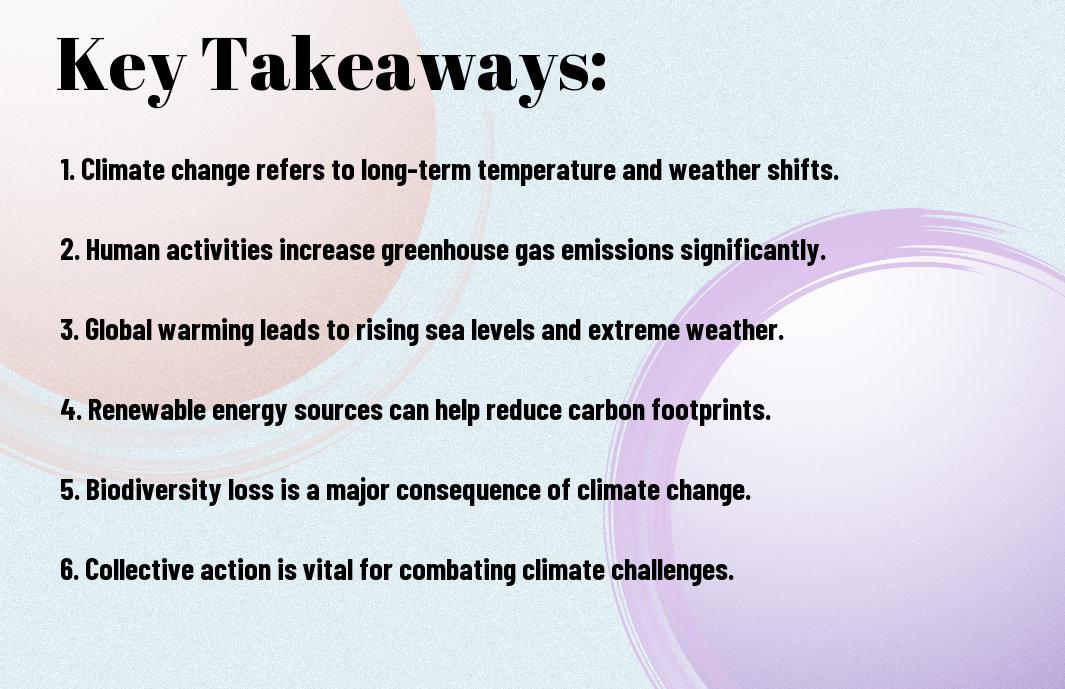
Key Takeaways:
- Definition: Climate change refers to long-term shifts in temperatures and weather patterns, significantly influenced by human activities, particularly the burning of fossil fuels.
- Causes: The primary drivers of climate change include greenhouse gas emissions, deforestation, and industrial processes, which trap heat in the atmosphere.
- Impacts: Climate change leads to severe consequences such as rising sea levels, increased frequency of extreme weather events, and disruptions to ecosystems and biodiversity.
Understanding Climate Change
To grasp climate change, it’s necessary to see it as a long-term shift in temperature and weather patterns, largely driven by human activities. This guide will bring clarity to complex concepts, distilling them into manageable insights that empower you to make informed decisions about our planet’s future.
Definition and Overview
Against a backdrop of growing global concern, climate change refers to significant and lasting alterations in temperature and weather conditions. It includes phenomena like global warming, triggered primarily by the accumulation of greenhouse gases in the atmosphere, altering ecosystems and impacting various aspects of life on Earth.
Causes of Climate Change
At its core, climate change is primarily caused by human actions, such as burning fossil fuels, deforestation, and industrial processes, which intensify the greenhouse effect. Natural processes also contribute, but human activities have accelerated changes in climate timelines and outcomes.
And while natural events like volcanic eruptions and solar radiation fluctuations can influence climate, your activities, such as car emissions or energy consumption, play a larger and more immediate role. Reducing your carbon footprint can significantly mitigate these impacts, leading to a healthier planet for future generations.
The Science Behind Climate Change
If you’re seeking clarity on climate change, understanding the science is necessary. Climate change refers to significant alterations in global temperatures and weather patterns over time. While natural factors play a role, human activities, particularly the burning of fossil fuels, have accelerated these changes. This increase in carbon dioxide and other greenhouse gases traps heat in the atmosphere, leading to a range of impacts that affect you and the world around you.
Greenhouse Gases and their Impact
Impact from greenhouse gases is profound, as these gases form a layer in the atmosphere that retains heat and leads to global warming. Activities such as burning coal, oil, and gas contribute to rising levels of carbon dioxide, methane, and nitrous oxide. As these gases accumulate, they intensify the greenhouse effect, causing temperatures to rise, and significantly altering weather patterns, which eventually influences your daily life.
Evidence of Climate Change
With numerous studies conducted worldwide, evidence of climate change is increasingly compelling. From rising sea levels to extreme weather events and shifting wildlife populations, these signs showcase an undeniable trend affecting ecosystems and communities.
In addition to rising temperatures, scientists observe the melting of glaciers and Arctic ice, increased frequency of droughts and floods, and shifts in plant and animal behavior, all of which signal a changing climate. You may notice these shifts in local environments, making it evident that climate change is not just a distant issue but a reality that affects your life and future.
Effects of Climate Change
For many, the effects of climate change are becoming increasingly visible and concerning. Rising global temperatures, shifting weather patterns, and increasing frequency of extreme weather events are just some of the changes you might experience in your daily life. These effects can disrupt ecosystems, threaten food security, and pose risks to human health, making it crucial for you to understand the implications of climate change on a broader scale.
Environmental Consequences
Climate change leads to habitat destruction, biodiversity loss, and altered natural processes. Species that cannot adapt quickly enough are facing extinction, while ecosystems struggle to cope with rapid changes. You may notice shifting animal migrations, earlier blooming seasons for plants, and changing water levels in lakes and rivers, all of which impact the environment around you.
Societal Impacts
Consequences of climate change extend far beyond the environment, deeply affecting societies and economies. From increased natural disasters to potential food and water shortages, you may find your community facing unprecedented challenges. These shifts compel governments, businesses, and individuals to rethink resource management and disaster preparedness.
To navigate the societal impacts of climate change, it is important to stay informed and proactive. You may witness rising insurance costs, changes in job markets, and increased pressure on public services due to climate-related events. Engaging in local initiatives, supporting sustainable practices, and advocating for policies that address climate change will empower you and your community to adapt and build resilience against its effects.
Climate Change Mitigation
Many strategies are available for climate change mitigation, aimed at reducing greenhouse gas emissions and enhancing sustainability. These efforts range from government policies and corporate responsibility to individual actions. By understanding the impact of your choices and advocating for change, you play a vital role in this collective endeavor to protect the planet for future generations.
Reducing Carbon Footprint
Before you can effectively mitigate climate change, consider how to reduce your carbon footprint. Simple adjustments in your daily routine, such as using public transport, conserving energy, or opting for sustainable products, can have a significant impact. Each small action contributes to the larger goal of reducing emissions.
Renewable Energy Solutions
By embracing renewable energy solutions, you can contribute to a more sustainable future. This includes using solar panels or wind turbines to generate electricity, as well as supporting green energy initiatives in your community. Transitioning to renewable energy sources reduces reliance on fossil fuels, ultimately lowering greenhouse gas emissions.
In addition, integrating renewable energy solutions not only helps combat climate change, but it also promotes energy independence and economic growth. You might even consider installing solar panels on your home or purchasing energy from local renewable sources, which can lead to long-term cost savings. By actively supporting clean energy projects, you are fostering a more sustainable environment and encouraging innovation in energy technology.
Climate Change Adaptation
Keep in mind that climate change adaptation involves adjusting your practices and policies to reduce vulnerability to its effects. As you explore this topic, you’ll discover ways to enhance your resilience against climate-related impacts, ensuring that both you and your community can withstand and thrive amidst the ongoing challenges posed by climate change.
Strategies for Resilience
Climate adaptation strategies can vary widely, but they often include enhancing infrastructure, adopting sustainable agricultural practices, and improving water management systems. You can contribute to these efforts by embracing innovative solutions and collaborating with local organizations to foster resilience in your community against climate-related shocks.
Community and Global Actions
Above all, building community and global actions is important for effective climate change adaptation. By engaging in collective efforts and sharing resources, you can help create a robust network of support that promotes adaptation strategies tailored to your local context.
The focus on community and global actions highlights the importance of collaboration in addressing climate change. Engaging with local organizations and participating in global initiatives empowers you to be part of meaningful change. Whether through joining advocacy groups or supporting policies that target climate resilience, your involvement can significantly enhance the adaptive capacity of your community and contribute to broader global efforts aimed at mitigating the effects of climate change.
The Role of Policy and Governance
Your understanding of climate change is incomplete without recognizing the significance of policy and governance in addressing this global issue. Effective policies can drive sustainable practices and promote environmental protection, supporting both local communities and the planet. As citizens, you can influence these policies through advocacy, education, and participation in democratic processes to ensure that climate action remains at the forefront of governmental agendas.
International Agreements
Before delving into national policies, it’s important to recognize that international agreements play a vital role in uniting nations against climate change. Treaties like the Paris Agreement set ambitious targets for reducing greenhouse gas emissions, promoting collaboration among countries. These agreements serve as frameworks guiding national commitments and encourage accountability, fostering a sense of shared responsibility for the planet’s future.
National Policies and Initiatives
About national policies and initiatives, many countries implement strategies to tackle climate change at the domestic level. These initiatives can include renewable energy targets, emission reduction plans, and regulations aimed at protecting natural resources. Understanding how your government develops and enforces these policies enables you to support effective measures and hold officials accountable for their climate commitments.
At the heart of national policies and initiatives are specific programs designed to promote clean energy, increase energy efficiency, and reduce carbon footprints. Many governments offer incentives for businesses and households to adopt renewable energy sources or improve energy efficiency, thereby encouraging sustainable practices. Moreover, local initiatives often complement national strategies, empowering communities to take action on the ground. By engaging with and supporting these policies, you contribute to a comprehensive approach to combat climate change and safeguard the environment for future generations.
Final Words
Hence, understanding climate change equips you with the knowledge necessary to navigate the challenges it poses. By recognizing its causes and impacts, you empower yourself to make informed choices that contribute to mitigating its effects. Engaging with your community and advocating for sustainable practices can amplify your efforts, leading to positive change. As you explore this issue further, keep in mind that every action counts, and your commitment to understanding and addressing climate change can help create a more sustainable future for all.
FAQ about ‘What Is Climate Change: A Beginner’s Guide’
Q: What is climate change?
A: Climate change refers to long-term alterations in temperature, precipitation, wind patterns, and other elements of the Earth’s climate system. While climate variation is a natural phenomenon, the rapid warming observed since the late 19th century is primarily due to human activities, such as burning fossil fuels, deforestation, and industrial processes.
Q: What causes climate change?
A: The primary cause of current climate change is the increase of greenhouse gases in the atmosphere, particularly carbon dioxide (CO2), methane (CH4), and nitrous oxide (N2O). These gases trap heat from the sun, leading to a warming effect known as the greenhouse effect. Human activities, such as electricity generation, transportation, and agricultural practices, significantly contribute to the rise in these greenhouse gas emissions.
Q: How does climate change affect weather patterns?
A: Climate change disrupts normal weather patterns, leading to more extreme and unpredictable weather events. This includes an increase in the frequency and intensity of storms, droughts, floods, and heatwaves. Changes in weather patterns can have severe implications for agriculture, water supply, and ecosystem health, ultimately impacting food security and human wellbeing.
Q: What can individuals do to combat climate change?
A: Individuals can take meaningful steps to reduce their carbon footprint and contribute to climate action. Simple actions include using energy-efficient appliances, reducing car travel by opting for public transportation or biking, conserving water, and supporting renewable energy sources. Additionally, individuals can educate themselves and others on climate issues and advocate for policy changes that support sustainable practices.
Q: What role do governments play in addressing climate change?
A: Governments play a vital role in combating climate change by implementing policies aimed at reducing greenhouse gas emissions, promoting renewable energy, and enhancing climate resilience. This includes setting regulations on industrial emissions, investing in public transportation, and developing sustainable urban planning. International collaboration is also vital, with initiatives like the Paris Agreement encouraging countries to commit to emission reduction targets and share sustainable technologies.
Recent Comments