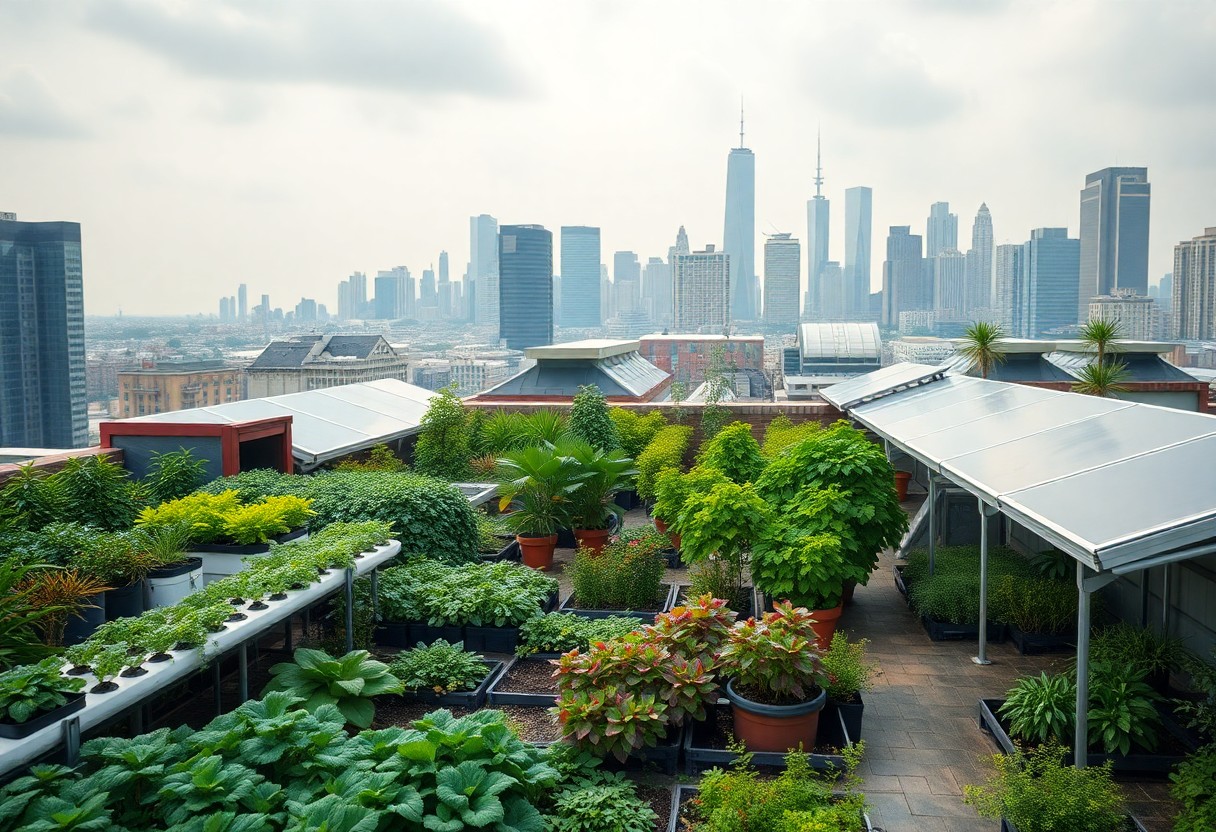
food

Innovative Food Solutions for a Warming World

Just as climate change reshapes our environment, it also challenges the way you approach food production and consumption. With global temperatures rising, innovative food solutions are emerging to ensure sustainability, nutrition, and food security. In this post, you will discover how advancements in agriculture, food technology, and plant-based diets can help you adapt to a warming world while contributing positively to the planet. Join us as we explore these transformative approaches that not only satisfy your dietary needs but also play a part in preserving the earth for future generations.

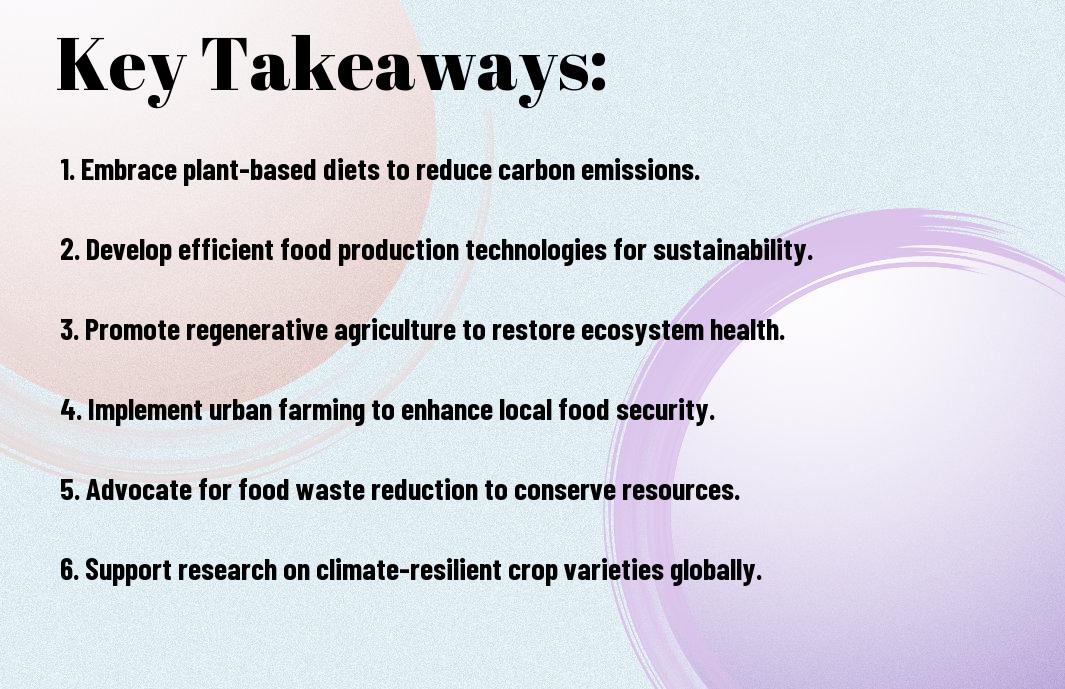
Key Takeaways:

  • Climate Adaptation: Emphasizes the need for food systems to adapt to changing climate conditions to ensure sustainability and resilience.
  • Plant-Based Alternatives: Highlights the growing importance of plant-based food options as a means to reduce the environmental impact of meat production.
  • Technological Innovation: Innovations in biotechnology and agriculture, such as vertical farming and lab-grown meat, offer promising solutions for food security.
  • Waste Minimization: Strategies to reduce food waste at all stages of the supply chain are crucial for maximizing resources and combating climate change.
  • Community Engagement: Encouraging local food production and community-supported agriculture builds resilience and fosters sustainable practices.

The Impact of Climate Change on Food Systems

The effects of climate change are profoundly reshaping food systems worldwide, threatening food security and nutrition. As temperatures rise and weather patterns shift, crops face increased stress, leading to potential shortages. This transformation demands innovative solutions, such as ten food innovations to reduce the carbon impact of our diets, which can help mitigate environmental harm while ensuring sustainable food production.

Shifts in Agricultural Zones

One of the most significant impacts of climate change is the shifting of agricultural zones. As temperatures and precipitation patterns evolve, you may find that traditional farming locations are no longer viable for certain crops. Farmers might need to adapt by exploring new regions or altering crop varieties to fit changing climates, ultimately reshaping local and global food supply chains.

Water Scarcity and Its Effects

At the same time, water scarcity poses a major challenge for food production. Droughts and erratic rainfall patterns can severely impact irrigation, leading you to rethink water management practices. Without sufficient water, crop yields diminish, and you may face increasing prices and limited choices at your grocery store.

Shifts in water availability also influence soil health, fostering conditions that can lead to land degradation and desertification. As the demand for water intensifies, you might observe conflicts over resources, challenging the agriculture sector even further. These changes necessitate robust strategies to conserve water and maintain food production in the face of these pressing challenges.

Sustainable Agricultural Practices

There’s a pressing need for agricultural practices that not only boost productivity but also preserve the environment. Sustainable agricultural practices focus on enhancing soil health, conserving water, and reducing chemical inputs. By integrating crop diversity, utilizing cover crops, and minimizing tillage, you can contribute to a more resilient food system. Adopting these practices not only benefits the planet but can also improve the quality and quantity of your harvests.

Regenerative Farming Techniques

Along with traditional farming methods, regenerative techniques play a key role in revitalizing the soil and ecosystem. This approach emphasizes practices such as rotating crops, integrating livestock, and restoring plant biodiversity. By engaging in these techniques, you not only enhance the fertility of your land but also create a more balanced, sustainable environment for future generations.

Precision Agriculture Technology

Below the surface of innovative farming lies precision agriculture, which uses advanced technology to optimize resource use. By employing precision tools, you can make informed decisions regarding planting, irrigation, and fertilization, ultimately leading to higher yields and reduced waste.

Sustainable precision agriculture technology harnesses data analytics, GPS, and IoT devices to monitor crop performance and resource needs in real time. By utilizing these tools, you can apply inputs like water and fertilizers with remarkable accuracy, minimizing surplus and reducing the environmental impact. This tailored approach not only enhances your productivity but also contributes to the preservation of natural resources, making your farming practices more sustainable and efficient.

Alternative Protein Sources

Your diet can significantly impact the environment, and exploring alternative protein sources is a step towards sustainability. By reducing reliance on traditional livestock farming, you can help minimize greenhouse gas emissions, land use, and water consumption. Embracing innovative proteins can enhance your nutrition while supporting a more resilient food system.

Plant-Based Proteins

With a plethora of options available, plant-based proteins like legumes, nuts, seeds, and grains offer nutritious and versatile alternatives to meat. By incorporating these ingredients into your meals, you can enjoy diverse flavors while contributing to reduced environmental impact. They provide necessary amino acids, fiber, and other vital nutrients, making them an excellent option for health-conscious eaters.

Cultivated Meat and Insect Protein

The rise of cultivated meat and insect protein offers exciting possibilities for sustainable eating. These alternative sources of protein can significantly reduce the environmental burden of conventional farming.

Hence, cultivated meat is produced in labs, mimicking the taste and texture of traditional meat without the resource-intensive processes of livestock raising. Meanwhile, insect protein, derived from crickets, mealworms, and other edible insects, boasts high protein content and requires significantly less land and water. As you explore these options, you contribute to a more sustainable food future while enjoying flavorful and nutrient-rich meals.

Innovations in Food Preservation

Not only does food preservation play a vital role in extending shelf life, but it also significantly impacts sustainability efforts against global warming. Innovative technologies such as high-pressure processing and freeze-drying enhance preservation methods, allowing you to minimize spoilage and retain nutrients. As you explore these advancements, you can contribute to reducing your overall carbon footprint while ensuring your food stays fresh and safe to consume.

Reducing Food Waste

Innovations in tracking and managing food supplies help reduce waste by optimizing inventory and improving distribution networks. By employing apps or smart technology, you have the chance to keep an eye on expiration dates and monitor food items at risk of spoiling. This minimizes both waste and associated greenhouse gas emissions.

Advanced Packaging Solutions

Preservation techniques are evolving through advanced packaging solutions that support the longevity of food products. These innovations work to create and maintain optimal conditions inside food packaging, safeguarding quality while preventing spoilage. You can significantly benefit from these developments, as they reduce waste and maintain the flavors and nutrients of your food for a longer time.

  1. Smart packaging that extends shelf life
  2. Edible films and coatings to protect food
  3. Absorbent materials to control moisture
  4. Biodegradable packaging to reduce plastic waste
Key Features of Advanced Packaging Solutions

Chemical Indicators Monitor food freshness and spoilage
Modified Atmosphere Packaging Adjust and maintain gas levels to preserve food
Active Packaging Release or absorb substances to enhance food quality

Food preservation is increasingly supported by technologies that address both sustainability and consumer needs. You can now look forward to packaging that better maintains freshness while reducing environmental impact. Options like modified atmosphere packs and smart indicators will become crucial tools in your kitchen. Adopting these innovative solutions not only benefits your meals but also contributes to a healthier planet.

  1. Eco-friendly materials for sustainability
  2. Temperature-sensitive labels for ideal storage
  3. Reusable and recyclable packaging options
  4. Vacuum-sealed technology to slow decay
Benefits of Advanced Packaging Solutions

Increased Food Safety Reduction of contamination and spoilage.
Cost Efficiency Lower food waste leads to savings.
Consumer Convenience Easy handling and improved usability.

The Role of Policy and Governance

Despite the significant challenges posed by climate change to food systems, effective policy and governance can steer innovation towards sustainable solutions. By implementing regulations that encourage eco-friendly agricultural practices and incentivizing research into climate-resilient crop varieties, governments play a pivotal role in enhancing food security. Your engagement in these policy discussions can influence decision-making that promotes sustainability at both local and global levels.

Supporting Sustainable Practices

Policy initiatives that support sustainable practices are vital for the long-term resilience of food systems. You can advocate for policies that fund organic farming, agroecology, and sustainable land management, ensuring that agricultural practices are environmentally sound and economically viable. Such support not only bolsters food production but also contributes to the preservation of biodiversity, helping secure a sustainable future.

Global Cooperation for Food Security

Between nations, collaboration is vital for addressing the complex challenges of food security in a warming world. By working together, countries can share innovative agricultural practices, technologies, and resources that enhance resilience. Your role in promoting dialogue and partnerships across borders fosters a network that strengthens global food systems and fights hunger effectively.

In fact, global cooperation can lead to the development of more equitable food distribution systems. By investing in joint research initiatives and sharing knowledge about sustainable practices, countries can enhance their collective capability to respond to climate challenges. Your involvement in these international efforts can help ensure that vulnerable populations receive the support they need to thrive amid environmental changes, thus reinforcing the global commitment to food security.

Community Engagement and Education

Many successful strategies to combat the impacts of climate change through food solutions involve engaging the community. By fostering a culture of awareness and responsibility, you can motivate residents to participate in sustainable practices. Local gatherings, workshops, and educational programs can equip you with the knowledge and tools to make informed choices about your food consumption and its environmental effects. Through collaboration, your community can create a supportive network that prioritizes sustainability and resilience against climate change.

Raising Awareness

Between social media campaigns, community workshops, and school programs, raising awareness about sustainable food practices has never been more accessible. You can utilize these platforms to share information on the benefits of local sourcing, reducing food waste, and embracing plant-based diets. Your active engagement not only informs others but also fosters a collective consciousness about the pressing need for change in food systems amid a warming world.

Local Initiatives for Change

After understanding the importance of sustainable food practices, you can take part in local initiatives designed to promote these values. Collaborating with local farmers’ markets, participating in community gardens, or joining farm-to-school programs can all be effective ways to contribute to meaningful change in your area.

Awareness of local initiatives can empower you to take actionable steps within your community. From coordinating community-supported agriculture (CSA) programs to organizing food drives that support local shelters, these initiatives provide not just resources, but also a sense of unity and shared purpose among residents. By actively participating, you can help build a sustainable food system that addresses the challenges posed by climate change, while also strengthening local economies and enhancing food security for everyone in your community.
To wrap up

Conclusively, innovative food solutions are crucial for adapting to the challenges posed by a warming world. By embracing sustainable practices, exploring alternative proteins, and supporting local food systems, you can contribute to a more resilient food landscape. Your choices on what to consume not only impact your health but also play a pivotal role in mitigating climate change. It is your opportunity to shape a sustainable future for generations to come, ensuring that food security and environmental stewardship go hand in hand.

FAQ

Q: What are Innovative Food Solutions?

A: Innovative Food Solutions refer to cutting-edge approaches and technologies aimed at addressing the challenges posed by climate change on food production and security. These can include advancements in agricultural practices, alternative protein sources, sustainable food systems, and methods for reducing food waste. By leveraging science and creativity, these solutions strive to create a more resilient and sustainable food landscape that can withstand the impacts of a warming world.

Q: How do Innovative Food Solutions contribute to sustainability?

A: Innovative Food Solutions contribute to sustainability by promoting practices that reduce environmental impact, enhance resource efficiency, and improve food security. For instance, vertical farming, aquaponics, and agroforestry are methods that optimize land use and minimize emissions. Additionally, the development of plant-based proteins and lab-grown meat provides alternatives to traditional livestock farming, which has a high ecological footprint. These solutions aim to create a more sustainable food supply chain that can adapt to changing climatic conditions while meeting the needs of a growing global population.

Q: What role does technology play in Innovative Food Solutions?

A: Technology plays a significant role in Innovative Food Solutions by enabling new methodologies that increase efficiency and reduce waste in food production. Advances in biotechnology can lead to the development of crops that are more resilient to heat and drought, while precision agriculture uses data analytics and sensors to optimize farming practices. Additionally, food preservation technologies and supply chain innovations help minimize food losses. Overall, technological innovations are imperative for scaling up solutions that can effectively tackle the challenges of climate change and ensure sustainable food access for all.

The Environmental Cost of Food Delivery Services

Many people enjoy the convenience of food delivery services, but have you considered the environmental impact of your choices? Each time you order in, you contribute to a range of ecological effects, from increased carbon emissions due to transportation to excessive packaging waste. Understanding these consequences can empower you to make more informed decisions about your food consumption. In this post, we will explore the environmental costs associated with these services and offer practical alternatives that align with your sustainability goals.

Key Takeaways:

  • Packaging Waste: Food delivery services often generate large amounts of single-use packaging, contributing to significant environmental waste.
  • Carbon Footprint: The transportation involved in food delivery adds to greenhouse gas emissions, increasing the overall carbon footprint of meals.
  • Resource Consumption: The production of food items for delivery consumes valuable resources such as water and energy, impacting sustainability.
  • Local Sourcing: Many food delivery services do not prioritize locally sourced ingredients, leading to increased transportation distances and ecological impact.
  • Consumer Awareness: It is important for consumers to be aware of the environmental impact of their food delivery choices and seek more sustainable options.

The Rise of Food Delivery Services

For many, the convenience of food delivery services has transformed how you dine. Once limited to pizza and Chinese takeout, these services now encompass a wide variety of cuisines, enabling you to enjoy gourmet meals from your favorite restaurants without stepping outside. This shift in consumer behavior reflects a growing reliance on technology and the desire for effortless dining experiences, leading to the rapid growth of food delivery platforms globally.

Popularity and Market Growth

Against the backdrop of busy lifestyles, food delivery services have surged in popularity, reshaping the food industry landscape. This trend not only caters to your convenience but also reflects changing consumer preferences, driving significant market growth in recent years. With platforms offering speedy service and an extensive range of culinary options, it’s no surprise that you increasingly find yourself leaning toward ordering in rather than cooking.

Technological Innovations in Delivery

Growth in food delivery services can be largely attributed to advancements in technology. With the rise of mobile apps, GPS tracking, and efficient supply chain management, managing food delivery has become quicker and more reliable. You can conveniently place an order with a few taps on your smartphone and track its journey in real time, enhancing your overall dining experience.

Indeed, technological innovations are at the heart of modern food delivery services, enabling unprecedented levels of efficiency and accessibility. From automated order processing to predictive algorithms that optimize delivery routes, these advancements streamline the entire process. Your experience will continue to evolve, featuring increasingly personalized recommendations and improved delivery times, driven by data analysis and machine learning technologies that cater to your tastes and preferences.

Environmental Impacts of Delivery Vehicles

Any discussion about food delivery services must consider the environmental impact of delivery vehicles. The increased demand for fast and convenient meals contributes significantly to traffic on the roads, leading to higher carbon emissions and decreased air quality. You can find more about the broader implications in this article on What is the Environmental Impact of Meal Kits?.

Carbon Emissions and Air Quality

Delivery vehicles contribute notably to carbon emissions, impacting local air quality. As more people opt for food delivery, the volume of emissions from multiple vehicles operating concurrently continues to rise. Your choices surrounding food delivery can influence this pollution level and your immediate environment.

Traffic Congestion and Urbanization

Impacts on traffic congestion are evident in many urban areas, where delivery vehicles frequently converge. This congestion not only slows down transportation but also increases air pollution and the carbon footprint associated with urban living.

Congestion resulting from food delivery services exacerbates urbanization issues, contributing to longer commute times and a decrease in the overall quality of life for residents. As streets fill with delivery vans and cars, you may find local roads becoming more crowded and less navigable, prompting a cycle that further encourages reliance on these services. Addressing this predicament requires consideration of sustainable alternatives that can alleviate traffic while still meeting your food delivery needs.

Packaging Waste: A Growing Concern

Unlike traditional dining, food delivery services generate significant amounts of packaging waste that often end up in landfills. Individual meal kits come wrapped in layers of plastics, foams, and cardboard, contributing to the increasingly prevalent problem of packaging pollution. As you opt for these convenient options, it’s vital to be aware of the environmental implications of the materials used and the frequent disposability of these items.

Single-use Plastics and Their Alternatives

One of the biggest issues associated with food delivery is the reliance on single-use plastics, which have flooded the market due to their convenience. These plastics, often used for containers, cutlery, and bags, severely impact the environment as they take hundreds of years to decompose. You have alternatives such as biodegradable containers and reusable utensils that can significantly reduce your carbon footprint while still enjoying your favorite meals delivered to your door.

Recycling Challenges and Solutions

After acknowledging the impact of packaging waste, it’s vital to understand recycling’s role in reducing this concern. Unfortunately, many food delivery materials, like plastics and polystyrene, are not recyclable through standard municipal programs, making proper disposal challenging. You can proactively seek out services that use recyclable materials and educate yourself on local recycling guidelines to navigate these challenges better.

Another factor to consider is the lack of infrastructure in many areas, which makes effective recycling nearly impossible. Many consumers, like yourself, may feel overwhelmed by the complexities of recycling, especially given the varying rules across different municipalities. You can advocate for clearer labeling on packaging and support initiatives aimed at improving recycling facilities in your community. Engaging in conversations about sustainable practices can encourage restaurants and delivery services to adopt more eco-friendly packaging solutions, ultimately reducing the environmental burden of food delivery services.

Energy Consumption in Food Delivery

Your daily food delivery might seem convenient, but it comes with significant energy consumption. The entire process—from restaurant preparation to transportation—demands considerable resources. Each delivery vehicle consumes fuel, contributing to carbon emissions, while the operational demands of restaurants can increase energy use. As you opt for these services, it’s crucial to consider how this convenience impacts the environment and overall energy consumption in your community.

Cold Chain Logistics

Consumption of energy is magnified in cold chain logistics, which is necessary for transporting perishable items. Keeping temperatures consistent throughout the delivery process requires refrigeration in vehicles and storage facilities, leading to higher energy usage. Each mile covered with perishable food items adds to the environmental footprint, as maintaining these standards demands a constant power supply that impacts your food’s overall carbon footprint.

Delivery App Infrastructure

Delivery apps also contribute to energy consumption through their complex infrastructure. Delivery platforms require data centers, maintenance of software, and constant updates to function efficiently. The energy spent in running these digital ecosystems is often overlooked, but it significantly accumulates as multiple orders are processed simultaneously. This behind-the-scenes energy requirement is an important aspect of the food delivery industry that affects your environmental impact.

The reliance on delivery app infrastructure means that each time you place an order, you’re not just affecting the delivery vehicle’s energy use, but also the substantial energy consumption of the technology that enables it. Data centers consume massive amounts of electricity to handle user traffic, manage inventories, and facilitate real-time tracking of deliveries. As you enjoy the convenience of food delivery, be mindful of the technology’s hidden cost and its contribution to overall energy consumption in our world.

Alternatives to Traditional Food Delivery

Despite the popularity of food delivery services, there are numerous alternatives that can minimize their environmental impact. You can opt for local restaurants that allow for pick-up, or better yet, prepare meals at home using fresh ingredients. By choosing these options, you not only reduce carbon emissions but also support your local economy.

Sustainable Delivery Models

Traditional food delivery services rely heavily on vehicles, contributing to greenhouse gas emissions. However, adopting sustainable delivery models can significantly lessen this impact. Services that use electric bikes or scooters, for instance, offer a greener alternative while still fulfilling your craving for convenience.

Community-Supported Agriculture (CSA)

Against the backdrop of food delivery, Community-Supported Agriculture (CSA) programs connect you directly with local farmers. This model allows you to purchase shares of a farm’s harvest, ensuring you receive seasonal produce while fostering sustainable farming practices.

Also, engaging with a CSA means you have access to fresh, organic produce and often includes unique varieties not typically found in stores. By participating, you contribute to local agriculture and reduce food miles, making it a sustainable choice for your dietary needs. You’ll appreciate the thrill of receiving a box of fresh goods, supporting your local community and promoting environmentally responsible practices.

Consumer Behavior and Responsibility

Now, it’s vital to recognize that your choices as a consumer significantly impact the environment. Understanding the implications of using food delivery services can foster more sustainable behaviors. According to a Perspective: Are Online Food Delivery Services Emerging …, your participation in this industry contributes to increased carbon emissions and waste. By making informed decisions, you can shift towards more responsible consumption patterns.

Awareness and Education

For you to make a meaningful change, awareness and education around the environmental effects of food delivery services are necessary. It’s important to understand the carbon footprint associated with packaging, transport, and food waste. By educating yourself on these issues, you can influence your choices toward more sustainable options.

Shifting to Sustainable Options

After understanding the impact, you can proactively shift to sustainable options that reduce environmental harm. Choosing local delivery services, opting for companies that prioritize eco-friendly packaging, and consolidating orders can significantly minimize your carbon footprint.

Awareness of sustainable practices can empower you to support food delivery services that align with your values. Look for local businesses that promote zero-waste initiatives, use biodegradable packaging, or offer carbon-neutral delivery options. By consciously selecting providers that prioritize sustainability, you play a vital role in combating environmental issues while enjoying the convenience of food delivery. Small changes in your habits can collectively lead to a more significant positive impact.

To wrap up

With these considerations, you can better understand the environmental impact of food delivery services. From packaging waste to carbon emissions, the choices you make can significantly influence the sustainability of your dining habits. It’s worth exploring Steps Toward Sustainable Food Delivery Solutions to mitigate these effects. By being informed and making proactive decisions, you play a vital role in promoting greener practices in the food delivery industry.

FAQ

Q: What are the main environmental impacts of food delivery services?

A: Food delivery services contribute to several environmental issues, primarily through increased carbon emissions from delivery vehicles. The use of bikes, motorcycles, and cars to transport food leads to higher fossil fuel consumption and emissions. Additionally, packaging waste is a significant concern, as many meals come in single-use containers, contributing to plastic waste and pollution. Food sourcing also plays a role; if companies prioritize local or sustainable ingredients, the overall impact can be reduced.

Q: How do food delivery services affect food waste?

A: Food delivery services can both reduce and increase food waste, depending on various factors. On one hand, convenience could lead to purchasing food that’s not consumed, resulting in greater waste. On the other hand, these services may allow customers to order precisely what they want, potentially decreasing excess cooking at home. However, the packaging waste associated with delivery often contributes to environmental degradation. It is vital for consumers to select options that promote minimal waste and choose restaurants that implement sustainable practices.

Q: What measures can be taken to mitigate the environmental costs of food delivery?

A: Several strategies can help reduce the environmental impact of food delivery services. Firstly, consumers can opt for delivery providers that utilize electric vehicles or bicycles. Additionally, choosing restaurants that practice sustainable packaging can minimize plastic waste. Some delivery services also offer a collective delivery option, which consolidates orders from multiple customers to reduce the number of trips made. Encouraging local food sourcing and the use of biodegradable packaging can further enhance sustainability in the food delivery sector.

The Role of Aquaculture in a Sustainable Food System

Over the past few decades, aquaculture has emerged as a significant contributor to global food security, offering you a viable solution to meet the growing demand for seafood. By harnessing environmentally-friendly practices, aquaculture allows you to enjoy nutritious fish while reducing pressure on wild fisheries. This blog post will explore the various benefits of aquaculture, its integration into sustainable food systems, and how it can positively impact your health and the environment.

Key Takeaways:

  • Aquaculture’s Impact: Aquaculture significantly contributes to global protein supply, providing a sustainable alternative to wild fishing and reducing pressure on marine ecosystems.
  • Nutritional Benefits: Fish farming yields high-quality, nutritious food, enriching diets with vital fatty acids and vitamins that promote health.
  • Resource Efficiency: Compared to traditional livestock farming, aquaculture is generally more resource-efficient, requiring less water and feed to produce each kilogram of protein.
  • Environmental Management: Sustainable aquaculture practices include habitat preservation, water quality management, and responsible feed sourcing to mitigate environmental impacts.
  • Economic Growth: The industry creates jobs and fosters economic development in coastal and rural communities, enhancing food security and livelihoods.

The Importance of Aquaculture in Food Security

Aquaculture plays a vital role in enhancing food security by providing a reliable and sustainable source of seafood. As global populations grow and the demand for protein increases, aquaculture can help meet this surge by producing fish more efficiently than wild fisheries. According to Aquaculture Supports a Sustainable Earth, this sector not only offers economic benefits but also contributes to better nutrition worldwide.

Global Demand for Protein

Below, you will find that the global demand for protein has significantly risen as people’s diets evolve. Aquaculture can meet this need by offering a sustainable alternative that reduces the pressure on land and wild fish stocks while providing diverse and nutritious options for your meals.

Aquaculture vs. Wild Fisheries

Food produced through aquaculture is becoming increasingly important as wild fisheries face sustainability challenges. You may find that aquaculture provides a more consistent supply of fish and seafood, reducing reliance on unpredictable catches from the ocean.

At the same time, aquaculture helps mitigate the decline of wild fish populations, allowing ecosystems to recover. You can appreciate that farmed fish often consume less feed compared to wild fish, and advances in aquaculture practices focus on improving feed efficiency and reducing environmental impacts. This balance between aquaculture and wild fisheries can significantly contribute to ensuring food security for future generations.

Environmental Benefits of Aquaculture

Assuming you are interested in sustainable food sources, aquaculture offers significant environmental advantages. This practice can alleviate the pressure on wild fish stocks while promoting biodiversity. By responsibly farming seafood, you can help protect marine ecosystems and contribute to the preservation of natural habitats. Moreover, aquaculture can improve water quality and reduce nutrient pollution, thereby fostering healthier aquatic environments.

Sustainable Practices

Below, aquaculture incorporates various sustainable practices that minimize environmental impact. Techniques such as integrated multi-trophic aquaculture (IMTA) allow you to cultivate different species together, maximizing resource utilization. By employing responsible feed sourcing and efficient waste management systems, you can further enhance the sustainability of aquaculture operations. These practices not only protect ecosystems but also ensure a reliable food source.

Minimizing Carbon Footprint

Any effort to minimize your carbon footprint can be amplified through responsible aquaculture. By choosing farmed seafood over wild-caught options, you often contribute to lower greenhouse gas emissions. The efficiency of aquaculture, particularly in terms of feed conversion ratios, allows for a greater yield with less resource input compared to traditional livestock farming.

But it’s important to recognize that the effectiveness of minimizing your carbon footprint is contingent upon implementing best practices in aquaculture. Opting for local farms and environmentally certified operations can enhance the positive impact you make. Engaging in aquaculture that focuses on low-emission techniques, such as solar-powered systems or recirculating aquaculture systems (RAS), can further decrease fossil fuel reliance. Every choice you make towards sustainable aquaculture can effectively contribute to a greener food system.

Economic Impacts of Aquaculture

Not only does aquaculture provide a sustainable source of food, but it also significantly contributes to the global economy. You may find it interesting that the sector is one of the fastest-growing forms of food production, boosting your local economies and offering an alternative to traditional fishing methods that can deplete natural resources. The economic benefits of aquaculture extend beyond mere food supply, positively influencing livelihoods and creating job opportunities across various regions.

Job Creation and Livelihoods

Below the surface, aquaculture plays a vital role in generating employment in both rural and urban areas, enhancing livelihoods for countless families. You may discover that many communities rely on aquaculture not only for direct employment in fish farming and processing but also for ancillary services such as transport and marketing. This growth in job opportunities can lead to improved quality of life and economic stability.

Contribution to Local Economies

At the same time, aquaculture fosters economic development by stimulating local economies and enabling diverse trade networks. As you explore this sector, you will see that investments in aquaculture can create a ripple effect that benefits local businesses, food systems, and supply chains. This helps support local farmers, retailers, and service providers, contributing to the overall economic vitality of your community.

Impacts of aquaculture on local economies can be substantial, often leading to increased income levels and the growth of small enterprises. As aquaculture farms expand, they generate demand for locally sourced materials, inputs, and services, which further bolsters your community’s economic ecosystem. Additionally, the increased availability of affordable, healthy seafood can improve nutrition in local populations, creating a healthier consumer base that benefits local markets. Through these multifaceted contributions, aquaculture establishes itself as a cornerstone of sustainable economic development.

Technological Innovations in Aquaculture

Once again, the aquaculture industry embraces technological innovations to enhance productivity and sustainability. Cutting-edge developments such as automated monitoring systems, advanced feed formulations, and environmentally friendly farming practices are revolutionizing how you approach fish and seafood production. These innovations not only increase efficiency but also minimize the environmental impact of your operations, ensuring a more sustainable approach to food systems.

Advancements in Farming Techniques

Among the various advancements in aquaculture farming techniques, recirculating aquaculture systems (RAS) stand out for their ability to conserve water and enhance biosecurity. You can implement these systems to recycle water, reduce the need for water exchange, and maintain optimal growing conditions. This not only supports fish health but also aligns with sustainable practices that help preserve aquatic ecosystems.

Role of Biotechnology

Any discussion about aquaculture progress would be incomplete without acknowledging the role of biotechnology. You can utilize genetic advancements, selective breeding, and innovative disease resistance strategies to improve stock quality and yield in your aquaculture operations.

Hence, biotechnology is transforming the aquaculture landscape by enabling the development of more resilient fish strains that can thrive in varying environmental conditions. By leveraging these genetic tools, you can boost productivity while reducing the reliance on chemical treatments, leading to healthier ecosystems and more responsible seafood production. The integration of biotechnology into aquaculture not only addresses challenges related to sustainability but also opens avenues for improving food security globally.

Challenges Facing Aquaculture

Keep in mind that aquaculture, despite its potential, encounters several significant challenges. Issues such as environmental impact, regulatory pressures, and market fluctuations can complicate sustainable practices and management. As you explore the future of aquaculture, understanding these challenges is important for fostering a resilient and responsible food system.

Overfishing and Habitat Concerns

Above all, overfishing remains a pressing issue associated with aquaculture. While farming fish alleviates some pressure on wild stocks, it can inadvertently lead to habitat degradation and loss of biodiversity. Ensuring that your aquaculture practices do not contribute to these concerns is vital for maintaining healthy ecosystems.

Disease Management and Biodiversity

Among the notable challenges in aquaculture is disease management, which poses risks to both cultivated species and surrounding ecosystems. Proper interventions and practices are critical to ensure that you maintain healthy fish populations while protecting aquatic biodiversity.

The relationship between disease management and biodiversity is complex and significant. When you manage diseases effectively, you not only safeguard your aquaculture investments but also support the broader ecosystem. A monoculture farming approach can lead to higher disease susceptibility, causing you to rely heavily on antibiotics and chemicals. By promoting biodiversity in your aquaculture systems, you create a more resilient environment that can naturally fend off pathogens and reduce chemical reliance, ultimately leading to healthier fish and ecosystems.

Policy and Regulation in Aquaculture

Many aspects of aquaculture are governed by policies and regulations that help ensure sustainable practices. These regulations are designed to protect ecosystems while promoting responsible farming techniques. By understanding the regulations that affect the industry, you can better navigate the complexities of aquaculture and support sustainable food systems. Your awareness of these policies can also influence consumer preferences and help drive positive change.

Sustainable Certification Standards

Regulation plays a significant role in establishing sustainable certification standards within aquaculture. These standards ensure that seafood products are raised in an environmentally friendly manner and meet specific social and ethical criteria. By familiarizing yourself with certification labels, you can make informed purchasing decisions that support sustainable seafood practices in your community.

Governmental Support and Initiatives

After recognizing the importance of aquaculture, many governments have implemented support initiatives to promote sustainable practices. This includes funding for research, incentives for eco-friendly farming methods, and partnerships with organizations focused on sustainability.

Aquaculture continues to gain momentum as a vital part of your food system, and governmental support is vital in fostering its growth. With initiatives aimed at enhancing education, developing better management practices, and providing financial assistance, you can see how public policy influences the industry. Engaging with these initiatives not only helps strengthen your local economy but also encourages sustainable practices that ensure the long-term health of aquatic ecosystems. Your participation and advocacy can further drive advancements in aquaculture, making it a reliable source of nutritious food for future generations.

Summing up

Following this, you can appreciate how aquaculture serves as a vital component in promoting a sustainable food system. By incorporating responsible practices in fish farming, you contribute to reducing overfishing, enhancing food security, and supporting local economies. As you explore sustainable seafood options, you empower yourself and your community to advocate for environmental stewardship while enjoying the nutritional benefits that aquaculture offers. Your choices can help shape a more sustainable future for global food production.

Q: What are the environmental benefits of aquaculture compared to traditional fishing practices?

A: Aquaculture offers several environmental advantages when implemented responsibly. Unlike traditional fishing, which can lead to overfishing and depletion of wild fish populations, aquaculture has the potential to be more sustainable, provided that fish farms are managed well. Fish farming can reduce the pressure on wild stocks by providing an alternative source of seafood. Additionally, innovative practices such as integrated multi-trophic aquaculture (IMTA) can enhance nutrient cycling and minimize waste by allowing different species to coexist and utilize each other’s byproducts. Moreover, aquaculture can help restore degraded marine ecosystems when used in conjunction with habitat restoration projects.

Q: How does aquaculture contribute to food security and local economies?

A: Aquaculture plays a significant role in improving food security, particularly in communities that rely heavily on fish as a primary source of protein. By increasing the availability of seafood, aquaculture can help meet the growing global demand for food due to population growth. Furthermore, aquaculture can provide job opportunities and stimulate local economies, especially in rural and coastal regions. Fish farming can create employment in various sectors, from farming and processing to distribution and marketing, contributing to overall economic resilience and reducing poverty levels.

Q: What practices can ensure that aquaculture remains sustainable?

A: To maintain sustainability in aquaculture, several best practices should be followed. Firstly, adopting responsible feed sourcing is important, as fishmeal and fish oil are often derived from wild species. Using alternative feeds, such as plant-based or microbial proteins, can reduce reliance on wild fish stocks. Secondly, implementing proper management practices and technology, such as recirculating aquaculture systems (RAS), can minimize environmental impacts and ensure efficient use of resources like water and energy. Lastly, adhering to certified standards and farming guidelines, such as those set by the Aquaculture Stewardship Council (ASC), can help ensure that aquaculture operations are not only economically viable but also socially responsible and environmentally friendly.

News on Climate Change Skip to content