awareness

Top 10 Influencers Raising Climate Awareness

Influencers play a pivotal role in shaping public opinion and driving action on climate issues. In this post, you’ll discover the top 10 influencers who are not just spreading awareness but also inspiring change in your community. As you probe into their stories, you’ll find that each of these influential figures is making a significant impact in the fight against climate change. For a broader look at the field, check out the Top 70 Climate Change Influencers in 2024.

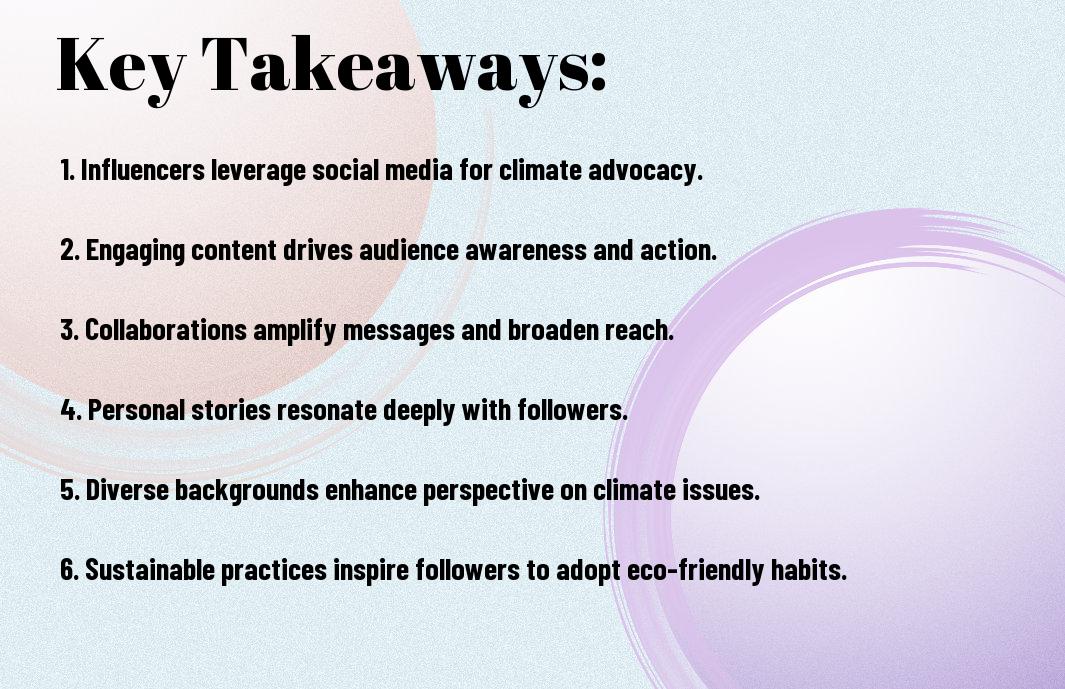
Key Takeaways:

  • Engagement: Influencers engage diverse audiences, amplifying climate messages through creative content.
  • Education: They provide informative resources, raising awareness about climate science and sustainable practices.
  • Action: Many influencers motivate their followers to take tangible actions, such as reducing waste and advocating for policy changes.
  • Visibility: Their large online presence brings significant visibility to environmental issues that might otherwise be overlooked.
  • Collaboration: Influencers often collaborate with environmental organizations, maximizing impact and outreach.
The Role of Influencers in Climate Activism

While traditional media plays a vital part in raising climate awareness, influencers have emerged as powerful allies in the fight against climate change. You can leverage their reach and engagement to connect with diverse audiences, making critical environmental messages more accessible and relatable. They use their platforms to advocate for sustainable practices, share urgent updates, and mobilize communities, proving that impactful change can start at the grassroots level.

Defining Influencer Impact

With the ability to shape opinions and initiate conversations, influencers contribute significantly to climate activism. Their storytelling and authentic connections with audiences allow you to see how personal choices can impact the environment. By showcasing sustainable products and practices, influencers encourage you to adopt eco-friendly habits in your daily life.

Benefits of Influencer Outreach

Any outreach to influencers can amplify your climate messaging and foster a larger community of environmentally conscious individuals. Influencers can help you tap into niche audiences that you may not have reached through traditional campaigns. Their endorsement can also lend credibility to your initiatives, encouraging more people to take action.

Influencer impact can result in substantial outreach benefits. By collaborating with influencers who align with your mission, you harness their trusted voices to generate enthusiasm around climate issues. This can drive discussions, sharing, and ultimately, grassroots movements. Increase your visibility and effectiveness by utilizing influencers to share your cause, allowing their followers to become advocates for environmental change.

Top 10 Climate Influencers

If you’re looking to inspire your climate journey, consider following some of the top climate influencers making waves globally. These passionate advocates share valuable insights and practical advice through their platforms. Explore Climate Influencers That Can Inspire You To Make … positive changes in your life and community.

Profiles of Influencers

Among the diverse group of climate influencers, you’ll find individuals from various backgrounds and expertise, each making significant contributions toward environmental awareness. Their unique stories, experiences, and efforts resonate with you, providing relatable and actionable inspiration.

Their Unique Approaches to Climate Awareness

With a variety of innovative methods, these influencers engage their audiences in understanding climate issues. They combine storytelling with actionable tips, social media campaigns, and grassroots initiatives to galvanize communities. By focusing on personal connections, they make the climate crisis approachable and motivate individuals like you to take action.

Another key aspect of their unique approaches is using visual content, such as videos and infographics, to break complex concepts into digestible pieces. They often showcase real-life examples of sustainable practices, encouraging you to adopt eco-friendly habits. By blending education with entertainment, they create a compelling narrative that ignites passion for environmental stewardship.

The Power of Social Media in Advocacy

After recognizing the tremendous influence of social media, you may find it encouraging how these platforms serve as amplifiers for climate awareness. They enable influencers to reach global audiences, inspire action, and foster community engagement around pressing environmental issues. With every post, tweet, or video, you can join a larger conversation, transforming individual concern into collective action and making your voice count in the fight against climate change.

Platforms Driving Engagement

After exploring various social media platforms, you likely appreciate how each uniquely drives engagement. Instagram’s visual storytelling captivates you, while Twitter’s fast-paced discussions keep you informed on real-time issues. Facebook offers community-driven groups for deeper engagement, and TikTok’s creative approach attracts younger audiences, empowering them to share their perspectives. Together, these platforms create a diverse ecosystem for climate advocacy, allowing you to connect, collaborate, and mobilize resources effectively.

Success Stories and Campaigns

Media plays a significant role in climate advocacy by showcasing influential campaigns and inspiring success stories. When you see activists using social media to galvanize support, it becomes clear how these efforts can lead to tangible change. You can look to successful campaigns that have caught the public’s attention as examples to emulate in your own advocacy work.

Campaigns focused on climate awareness have shown how effective social media can be in mobilizing people worldwide. For instance, the #FridaysForFuture movement, initiated by Greta Thunberg, has sparked a global youth conversation, pushing millions to unite for a common cause. You can draw inspiration from these campaigns, observing how they harness viral trends and powerful messaging to raise consciousness about environmental issues. By sharing these success stories, you contribute to a broader narrative that encourages collective action and inspires others to join the cause.

Challenges Faced by Climate Influencers

Now, as a climate influencer, you encounter numerous challenges that can hinder your efforts to raise awareness. Through tackling misinformation, combating negative feedback, and managing public perception, you must navigate a complex landscape. Understanding these challenges will equip you to engage more effectively and foster a supportive community for sustainable practices.

Misinformation and Pushback

Between the rapid spread of misinformation and the pushback from climate change skeptics, your role can become particularly daunting. You often find yourself debunking false claims and providing accurate, scientifically-backed information to counter these narratives. This relentless battle can be exhausting, but it is imperative for creating a well-informed audience.

Balancing Engagement with Responsibility

Above all, navigating the balance between engaging your audience and maintaining a sense of responsibility is vital. You aim to inspire positive action while ensuring that your messages are grounded in factual evidence. Finding this equilibrium can feel overwhelming, yet it is instrumental in building trust with your audience.

Hence, establishing a balance involves setting clear boundaries and focusing on verified information. You should share thought-provoking content that captivates your audience’s interest, while simultaneously steering them towards sustainable practices backed by well-researched evidence. This approach not only enhances your credibility but also fosters a deeper understanding of climate issues, encouraging your followers to become informed advocates for the planet.

Collaborations and Partnerships

Many influencers are recognizing the power of collaboration in raising climate awareness. By partnering with organizations, brands, and fellow activists, they amplify their messages and broaden their reach. These partnerships often lead to impactful campaigns, bringing together diverse audiences who share a common goal of environmental sustainability. Together, they harness the strength of community, resources, and expertise to initiate meaningful change, making a larger impact on global climate issues.

Influencers Working with Organizations

Influencers engage with various organizations, uniting efforts to promote sustainability and environmental education. By aligning with established groups that share their values, they create fundraisers, social media campaigns, and educational content that resonate with a wider audience. This collaboration enables you to be part of innovative solutions and resources while fostering a sense of responsibility in addressing climate change.

Community-Driven Initiatives

Collaborations among influencers and local communities are key to launching grassroots initiatives that foster environmental consciousness. These community-driven efforts provide platforms for individuals to come together and create change at a local level. You may find opportunities to engage in programs that promote renewable energy, waste reduction, and conservation efforts tailored to your area.

Understanding the dynamics of community-driven initiatives is imperative for driving impactful change. Through active participation, you have the power to influence local policies, support educational workshops, and engage in hands-on projects that benefit your community and the environment. These initiatives not only empower individuals but also build a collective movement that inspires others to take action, leading to a more sustainable future for everyone.

Measuring Impact: Success Metrics

For assessing the effectiveness of climate influencers, success metrics are vital. These metrics help you gauge the reach and resonance of their messages, allowing you to measure changes in public awareness and engagement over time. Key performance indicators may include social media reach, audience engagement levels, and shifts in public opinion, providing a comprehensive picture of their impact on climate awareness.

How to Evaluate Influence

Against the backdrop of various climate campaigns, evaluating an influencer’s impact requires a thoughtful approach. Look for tangible results such as follower growth, increased discussions around climate issues, and partnerships with organizations. Engaging with their audience (like comments and shares) can provide further insight into how effectively they are spreading awareness and motivating action.

The Role of Analytics

Any effective evaluation process relies on analytics to track engagement and influence. Using tools to analyze social media performance and web traffic, you can quantify the reach of influencers and identify content that resonates with your audience. Understanding these analytics empowers you to refine strategies and maximize the impact of your climate messaging.

Influence is not solely about numbers; it’s about understanding the narrative and themes that drive your audience. Tools like Google Analytics, social media insights, and engagement metrics will help you uncover the stories that engage your followers. With this data, you can tailor your approach, ensuring your messaging aligns with what resonates most, thereby enhancing your overall effectiveness in raising climate awareness.

Final Words

From above, it’s clear that the efforts of these top 10 influencers in raising climate awareness play a significant role in shaping public perception and action. By engaging with their content, you can gain valuable insights into sustainable practices and the urgency of climate action. They’re not just voices in the conversation; they are leaders motivating you to take a stand, make informed choices, and advocate for environmental responsibility. Your involvement can amplify their messages, contributing to a collective change that can foster a healthier planet for the future.

FAQ

Q: Who are the top influencers raising climate awareness today?

A: The top influencers raising climate awareness include a diverse group of activists, scientists, and public figures who utilize their platforms to spread important messages about climate change. Notable individuals are Greta Thunberg, whose passionate speeches have inspired millions; Leonardo DiCaprio, who actively supports environmental causes through his foundation and documentaries; and Jane Fonda, who combines her celebrity influence with activism to push for climate justice. Other influential figures include Bill McKibben, founder of 350.org, and Sir David Attenborough, whose documentaries bring awareness to environmental issues.

Q: How do these influencers use social media to promote climate awareness?

A: Influencers harness the power of social media to reach wide audiences by sharing impactful content, including videos, articles, and personal stories related to climate change. They engage their followers through campaigns, challenges, and calls to action that encourage people to take steps toward sustainability. For instance, they may organize global climate strikes, provide tips on reducing carbon footprints, or highlight the importance of renewable energy sources. Social media platforms like Instagram, Twitter, and TikTok have proven effective in galvanizing youth involvement and mobilizing community actions.

Q: What impact do these influencers have on public perception of climate issues?

A: Influencers play a significant role in shaping public perception around climate issues by making complex topics more relatable and accessible. Through their efforts, they effectively educate the audience about the urgency of climate change, promote scientific literacy, and dispel misinformation. Their outreach fosters a sense of community and encourages collective responsibility toward the environment. As a result, many individuals feel empowered to advocate for policy changes and adopt more environmentally friendly lifestyles, reflecting a shift in societal attitudes toward climate action.

How VR Is Helping People Understand Climate Change

Most people struggle to grasp the complex realities of climate change, but virtual reality (VR) is transforming how you perceive this pressing issue. By immersing you in realistic simulations and scenarios, VR allows you to experience the impact of climate change firsthand, fostering a deeper emotional connection and understanding. This innovative technology provides an engaging way to visualize environmental challenges, making the concept more accessible and motivating you to take action. Join us as we explore how VR is revolutionizing climate education and empowering individuals like you to become advocates for change.

Key Takeaways:

  • Immersive Experiences: VR technology provides users with realistic simulations of climate change impacts, making the issue more tangible.
  • Empathy Building: Virtual reality fosters a sense of connection to affected communities and ecosystems, enhancing emotional engagement with environmental issues.
  • Education and Awareness: VR experiences serve as informative tools, effectively educating individuals about scientific data and climate-related scenarios.
  • Interactive Learning: Users can explore dynamic environments that depict the effects of climate change, promoting active participation in the learning process.
  • Motivation for Action: By visualizing potential futures, VR can inspire behavior change and encourage individuals to take meaningful action against climate change.

The Role of Virtual Reality in Education

For educators, virtual reality offers groundbreaking tools to enhance curriculum around climate change. By immersing students in realistic environments, they can witness the impacts of rising temperatures or deforestation firsthand. As outlined in Examining the Role of Virtual Reality in Climate Change …, VR not only helps students grasp complex concepts but also encourages them to actively engage with the material, fostering a more in-depth understanding of environmental issues.

Immersive Learning Experiences

Role-playing and immersive scenarios enable you to experience the direct consequences of climate change. Through virtual simulations, you can explore melting glaciers, rising sea levels, and their effects on communities around the world. This hands-on approach makes abstract concepts tangible, giving you a visceral understanding of immediate challenges.

Enhancing Engagement and Retention

Along with creating immersive experiences, virtual reality enhances your engagement and retention of information. By immersing you in captivating environments, VR captures your attention and fosters a deeper connection to the subject matter, making you more likely to retain the information presented.

Experiences in virtual reality resonate with you on both emotional and cognitive levels. When you actively engage in learning through VR, you retain information longer and are more likely to recall it later. This increased retention stems from the immersive nature of the medium, which transforms passive learning into an engaging adventure, ultimately motivating you to take action on climate issues.

Visualizing Climate Data

Assuming you want to grasp the complexities of climate change, virtual reality provides an innovative way to visualize climate data. By immersing yourself in a virtual environment, you can experience firsthand the impacts of rising temperatures and changing weather patterns. Studies have shown that virtual reality as a promising tool to promote climate understanding allows you to connect emotionally with data, making the information more memorable and impactful.

Interactive Climate Models

After you engage with interactive climate models, you can explore different scenarios based on varying emissions levels and policy responses. This hands-on experience allows you to see cause-and-effect relationships in real-time, empowering you to consider the potential outcomes of your own choices and actions regarding environmental sustainability.

Real-Time Data Representation

For scientists and policymakers, real-time data representation is important for making informed decisions. By accessing live climate data visualizations, you can observe changes as they happen, making the information more relevant to your daily life and reinforcing the urgency of climate action.

Data from various sources, including satellite observations and ground monitoring stations, can be integrated into real-time platforms. These representations provide you with a clearer picture of current climate conditions, such as temperature fluctuations, sea level rise, and extreme weather events. By witnessing this data unfold, you can better understand the dynamic nature of climate change and its immediate effects on your environment.

Empathy and Connection through VR

Once again, virtual reality is breaking down barriers and allowing you to connect with the often distant and abstract realities of climate change. By immersing yourself in vividly designed environments, you can experience the emotions and challenges faced by communities impacted by environmental shifts, fostering a deeper emotional response that can lead to meaningful action in your own life.

Experiencing Climate Impact Firsthand

Experiencing the immediate effects of climate change through VR grants you a unique perspective that traditional media often fails to convey. You can walk through places devastated by natural disasters or witness the gradual changes in ecosystems that happen over time. This immersive technology allows you to engage fully with the narrative and feel the urgency of the situation.

Fostering Global Awareness

To further amplify the impact of VR, it can serve as a powerful tool for fostering global awareness about climate issues. Through shared virtual experiences, you can interact with individuals from various backgrounds, learning firsthand how their lives are affected by climate change. This collective immersion creates a shared understanding that transcends geographical boundaries.

Also, by participating in these shared experiences, you enhance your ability to empathize with those who live in different realities. Understanding the struggles of vulnerable communities facing climate change can inspire you to advocate for solutions, educate others, and contribute to a more sustainable future. This collective engagement in virtual spaces ultimately strengthens our interconnectedness and the urgency to take action together.

Case Studies of VR in Climate Change Initiatives

Despite the challenges posed by climate change, several innovative virtual reality (VR) projects have emerged to enhance understanding and engagement. Here are notable examples:

  • The “Virtual Reality for Climate Change” project in Fiji, which uses immersive experiences to educate over 3,000 participants on rising sea levels.
  • “The Last Beach,” a VR documentary that highlights coral bleaching, viewed by 10,000 individuals at various film festivals.
  • Climate VR, which has engaged 5,000 students across multiple schools worldwide in simulations that illustrate the impact of their carbon footprints.
  • The “My Ocean” project that has reached 12,000 users, offering a VR examine ecosystems affected by climate change.

Successful Projects Around the World

Initiatives globally, like “The Ocean CleanUp” VR experience, not only inform but also inspire actions towards sustainability. Interactive experiences enable users to visualize the stark realities of ocean pollution and its implications. Through these efforts, organizations have successfully reached vast audiences, demonstrating the effectiveness of VR in conveying climate-related messages.

Measuring Impact and Effectiveness

Before assessing VR initiatives, you should consider metrics that showcase user engagement and behavioral change. Data points such as increased awareness levels and participation in environmental programs can serve as indicators of success.

Measuring the impact and effectiveness of VR projects involves gathering quantifiable data and personal testimonials. Surveys administered before and after VR experiences can reveal shifts in understanding about climate change. Tracking attendance, participation in follow-up activities, and longitudinal studies can provide comprehensive insights into how VR influences public perception and drives actions towards climate-related initiatives. This systematic evaluation ensures that you grasp the full reach and potential of VR technologies in addressing this pressing issue.

Challenges and Limitations of VR Technology

All innovations come with hurdles, and virtual reality (VR) technology is no exception. While it provides immersive experiences, there are challenges that can affect its effectiveness in conveying the reality of climate change. Issues such as accessibility, technological limitations, and the need for user training can hinder the widespread adoption of VR as an educational tool. Addressing these challenges is vital for maximizing the impact of VR in raising climate awareness.

Accessibility Issues

Any effective educational tool must be accessible to a broad audience. Unfortunately, VR technology often requires expensive hardware, potentially limiting its reach for low-income communities or educational institutions. Additionally, those with disabilities may struggle to interact with VR environments, making it clear that further efforts are needed to ensure that everyone can benefit from VR experiences designed to inform them about climate change.

Technological Barriers

For VR to successfully educate people about climate change, it needs to overcome certain technological barriers. Limited access to high-quality VR headsets, as well as difficulties in creating intuitive interfaces, can hinder user engagement and understanding. Furthermore, the need for powerful computers to run advanced VR simulations may exclude those who lack technical resources, making it difficult to integrate VR into mainstream education and outreach efforts.

Technology plays a significant role in shaping the effectiveness of VR experiences. The quality of graphics and interactivity directly impacts how users perceive and understand the information presented. If the graphics are subpar or the experience is not engaging, users may disengage or misunderstand key concepts about climate change. As VR continues to evolve, addressing these technological gaps will be vital to ensure user-friendly interfaces and high-quality experiences that resonate with a diverse audience.

Future of VR in Climate Change Advocacy

Now, as virtual reality technology continues to advance, its potential to influence climate change advocacy expands significantly. You can expect more immersive experiences that not only educate but also engage your emotions, leading to a deeper understanding of the environmental challenges we face. As VR becomes more accessible, it will likely become a formative tool in shaping public perspective and action toward climate change, providing you with a firsthand look into the future of our planet and the urgent need for change.

Innovations on the Horizon

Beside the existing applications of VR, upcoming innovations will likely transform how you engage with climate issues. Enhanced graphics, real-time data integration, and interactive elements are expected to create even more compelling experiences. This means you could step into vibrant ecosystems, witness the impact of climate change live, and actively participate in simulations that demonstrate possible solutions, all whilst learning about the science behind these changes.

Potential for Policy Change

Above the immersive experiences, VR has the potential to influence policy by shaping public opinion and driving action. You can witness scenarios that showcase the implications of inaction versus proactive measures, making the case for necessary changes in legislation and community practices. By providing direct experiences that evoke emotional responses, VR can foster a collective advocacy that puts pressure on decision-makers to act towards a sustainable future.

To enhance its impact on policy change, VR can be used in lobbying efforts, town hall meetings, and educational campaigns aimed at policymakers. You can immerse decision-makers in the realities of affected communities or ecosystems, creating urgency for legislative action. By presenting unfiltered experiences of climate change, VR allows you to bridge the gap between scientific data and personal stories, ultimately influencing the decisions that shape your environment and future. This engagement can lead to a more informed electorate and foster a culture of sustainability in policy development.

Final Words

Conclusively, as you engage with the immersive experiences offered by virtual reality, you enhance your understanding of climate change and its profound impacts. This technology empowers you to witness environmental changes firsthand, encouraging compassionate responses and fostering collective action. By accessing resources like Virtual reality for global climate leadership, you can further explore how VR is shaping environmental awareness and driving initiatives for a sustainable future.

Q: How does virtual reality (VR) create a more impactful experience for understanding climate change?

A: Virtual reality immerses users in realistic environments that illustrate the effects of climate change. By putting individuals in scenarios such as rising sea levels, deforestation, or extreme weather events, VR allows them to visually and emotionally experience the potential future of our planet. This experiential learning fosters a deeper understanding of the stakes involved and can inspire action to combat climate change in ways that traditional education methods may not achieve.

Q: In what ways are educational institutions using VR to teach students about climate change?

A: Many educational institutions have begun to incorporate VR into their curricula to provide students with vivid lessons on climate change. For instance, students can explore virtual ecosystems that demonstrate the impact of pollution or habitat loss. Some programs even allow students to participate in virtual simulations where they can propose solutions to environmental challenges. This interactive learning promotes engagement and equips students with the knowledge and tools to address climate issues in real-life scenarios.

Q: Can VR experiences motivate people to take action against climate change in their communities?

A: Yes, VR experiences have the potential to motivate individuals by demonstrating the tangible impacts of climate change and highlighting the importance of community involvement. By showcasing success stories of local conservation efforts or green initiatives within the VR experience, users may feel inspired to participate in similar activities in their own communities. Additionally, the emotional connection created through immersive experiences can lead to increased awareness and advocacy, encouraging more people to engage in environmental protection efforts.

Greta Thunberg full speech at UN Climate Change COP24 Conference

15 year old activist Greta Thunberg speaks truth to power at the UN COP24 climate talks:

“My name is Greta Thunberg. I am 15 years old. I am from Sweden.

I speak on behalf of Climate Justice Now.

Many people say that Sweden is just a small country and it doesn’t matter what we do.

But I’ve learned you are never too small to make a difference.

And if a few children can get headlines all over the world just by not going to school, then imagine what we could all do together if we really wanted to. But to do that, we have to speak clearly, no matter how uncomfortable that may be.

You only speak of green eternal economic growth because you are too scared of being unpopular. You only talk about moving forward with the same bad ideas that got us into this mess, even when the only sensible thing to do is pull the emergency brake.

You are not mature enough to tell it like is. Even that burden you leave to us children. But I don’t care about being popular. I care about climate justice and the living planet.

Our civilization is being sacrificed for the opportunity of a very small number of people to continue making enormous amounts of money.

Our biosphere is being sacrificed so that rich people in countries like mine can live in luxury. It is the sufferings of the many which pay for the luxuries of the few.

The year 2078, I will celebrate my 75th birthday. If I have children maybe they will spend that day with me. Maybe they will ask me about you. Maybe they will ask why you didn’t do anything while there still was time to act.

You say you love your children above all else, and yet you are stealing their future in front of their very eyes.

Until you start focusing on what needs to be done rather than what is politically possible, there is no hope. We cannot solve a crisis without treating it as a crisis.

We need to keep the fossil fuels in the ground, and we need to focus on equity. And if solutions within the system are so impossible to find, maybe we should change the system itself.

We have not come here to beg world leaders to care. You have ignored us in the past and you will ignore us again.

We have run out of excuses and we are running out of time.

We have come here to let you know that change is coming, whether you like it or not. The real power belongs to the people.

Thank you.”

#SchoolStrike4Climate #ClimateStrike #Youth4Climate #YouthUnstoppable # FridaysForFuture

News on Climate Change Skip to content