Just as climate change reshapes our environment, it also challenges the way you approach food production and consumption. With global temperatures rising, innovative food solutions are emerging to ensure sustainability, nutrition, and food security. In this post, you will discover how advancements in agriculture, food technology, and plant-based diets can help you adapt to a warming world while contributing positively to the planet. Join us as we explore these transformative approaches that not only satisfy your dietary needs but also play a part in preserving the earth for future generations.
Key Takeaways:
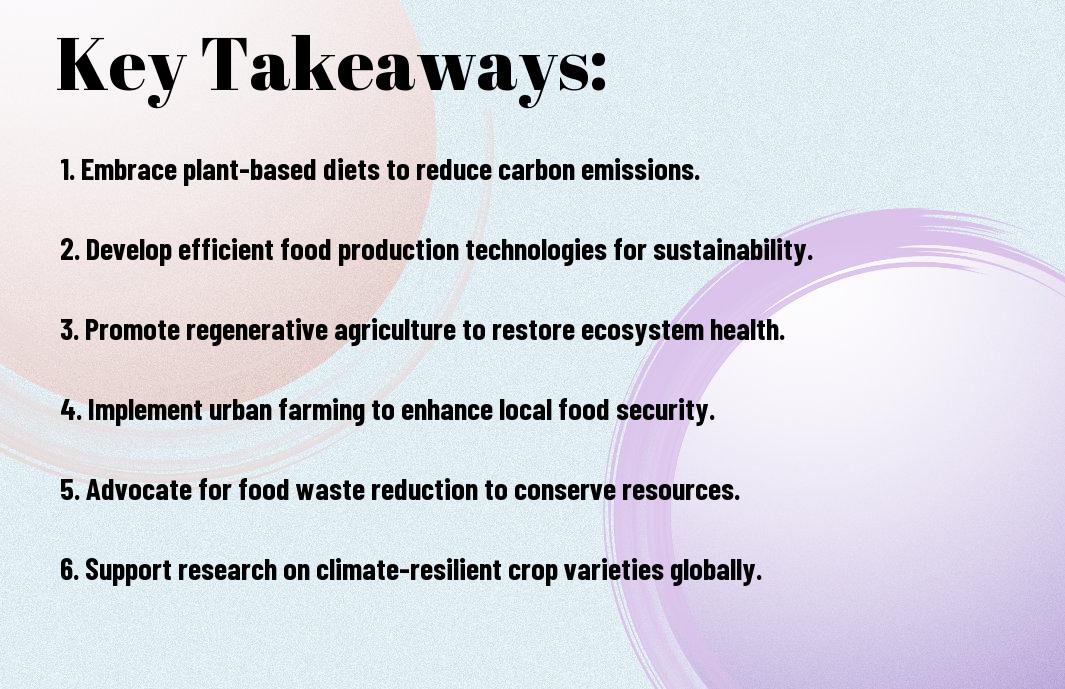
- Climate Adaptation: Emphasizes the need for food systems to adapt to changing climate conditions to ensure sustainability and resilience.
- Plant-Based Alternatives: Highlights the growing importance of plant-based food options as a means to reduce the environmental impact of meat production.
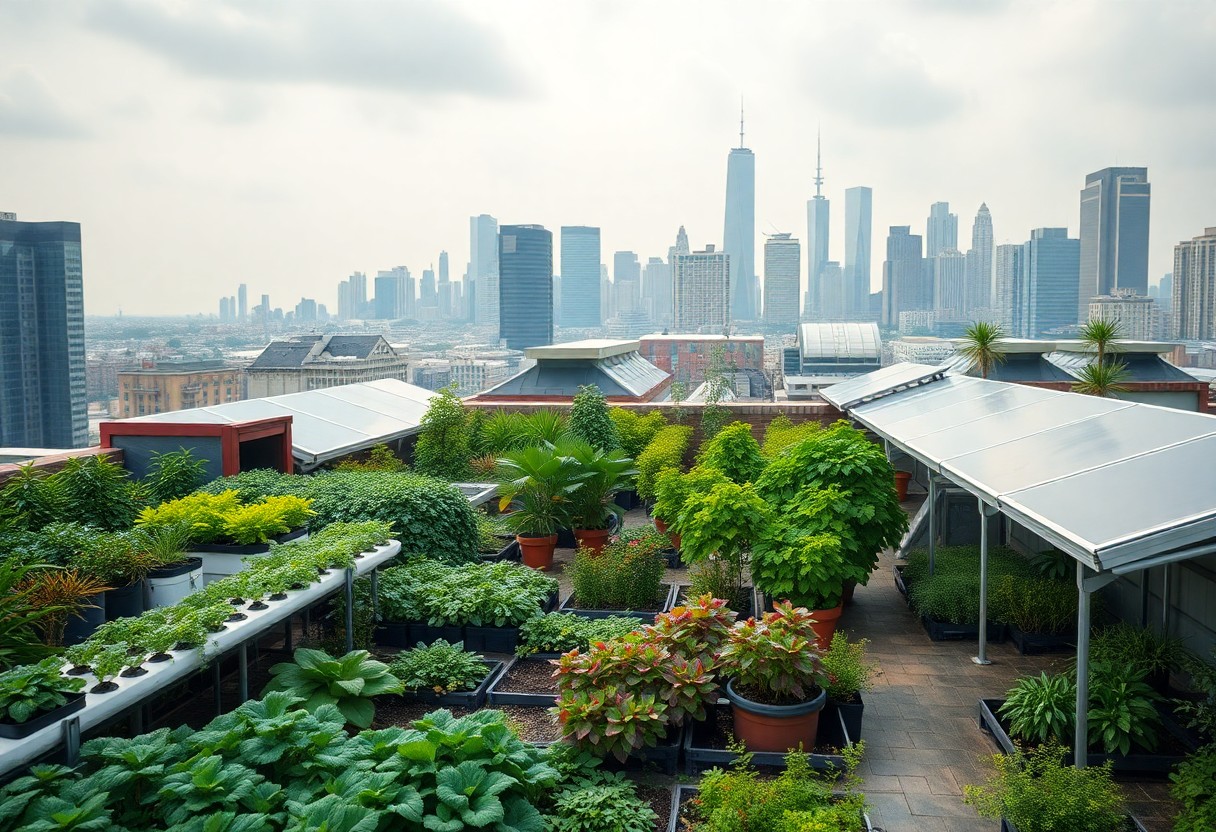
- Technological Innovation: Innovations in biotechnology and agriculture, such as vertical farming and lab-grown meat, offer promising solutions for food security.
- Waste Minimization: Strategies to reduce food waste at all stages of the supply chain are crucial for maximizing resources and combating climate change.
- Community Engagement: Encouraging local food production and community-supported agriculture builds resilience and fosters sustainable practices.
The Impact of Climate Change on Food Systems
The effects of climate change are profoundly reshaping food systems worldwide, threatening food security and nutrition. As temperatures rise and weather patterns shift, crops face increased stress, leading to potential shortages. This transformation demands innovative solutions, such as ten food innovations to reduce the carbon impact of our diets, which can help mitigate environmental harm while ensuring sustainable food production.
Shifts in Agricultural Zones
One of the most significant impacts of climate change is the shifting of agricultural zones. As temperatures and precipitation patterns evolve, you may find that traditional farming locations are no longer viable for certain crops. Farmers might need to adapt by exploring new regions or altering crop varieties to fit changing climates, ultimately reshaping local and global food supply chains.
Water Scarcity and Its Effects
At the same time, water scarcity poses a major challenge for food production. Droughts and erratic rainfall patterns can severely impact irrigation, leading you to rethink water management practices. Without sufficient water, crop yields diminish, and you may face increasing prices and limited choices at your grocery store.
Shifts in water availability also influence soil health, fostering conditions that can lead to land degradation and desertification. As the demand for water intensifies, you might observe conflicts over resources, challenging the agriculture sector even further. These changes necessitate robust strategies to conserve water and maintain food production in the face of these pressing challenges.
Sustainable Agricultural Practices
There’s a pressing need for agricultural practices that not only boost productivity but also preserve the environment. Sustainable agricultural practices focus on enhancing soil health, conserving water, and reducing chemical inputs. By integrating crop diversity, utilizing cover crops, and minimizing tillage, you can contribute to a more resilient food system. Adopting these practices not only benefits the planet but can also improve the quality and quantity of your harvests.
Regenerative Farming Techniques
Along with traditional farming methods, regenerative techniques play a key role in revitalizing the soil and ecosystem. This approach emphasizes practices such as rotating crops, integrating livestock, and restoring plant biodiversity. By engaging in these techniques, you not only enhance the fertility of your land but also create a more balanced, sustainable environment for future generations.
Precision Agriculture Technology
Below the surface of innovative farming lies precision agriculture, which uses advanced technology to optimize resource use. By employing precision tools, you can make informed decisions regarding planting, irrigation, and fertilization, ultimately leading to higher yields and reduced waste.
Sustainable precision agriculture technology harnesses data analytics, GPS, and IoT devices to monitor crop performance and resource needs in real time. By utilizing these tools, you can apply inputs like water and fertilizers with remarkable accuracy, minimizing surplus and reducing the environmental impact. This tailored approach not only enhances your productivity but also contributes to the preservation of natural resources, making your farming practices more sustainable and efficient.
Alternative Protein Sources
Your diet can significantly impact the environment, and exploring alternative protein sources is a step towards sustainability. By reducing reliance on traditional livestock farming, you can help minimize greenhouse gas emissions, land use, and water consumption. Embracing innovative proteins can enhance your nutrition while supporting a more resilient food system.
Plant-Based Proteins
With a plethora of options available, plant-based proteins like legumes, nuts, seeds, and grains offer nutritious and versatile alternatives to meat. By incorporating these ingredients into your meals, you can enjoy diverse flavors while contributing to reduced environmental impact. They provide necessary amino acids, fiber, and other vital nutrients, making them an excellent option for health-conscious eaters.
Cultivated Meat and Insect Protein
The rise of cultivated meat and insect protein offers exciting possibilities for sustainable eating. These alternative sources of protein can significantly reduce the environmental burden of conventional farming.
Hence, cultivated meat is produced in labs, mimicking the taste and texture of traditional meat without the resource-intensive processes of livestock raising. Meanwhile, insect protein, derived from crickets, mealworms, and other edible insects, boasts high protein content and requires significantly less land and water. As you explore these options, you contribute to a more sustainable food future while enjoying flavorful and nutrient-rich meals.
Innovations in Food Preservation
Not only does food preservation play a vital role in extending shelf life, but it also significantly impacts sustainability efforts against global warming. Innovative technologies such as high-pressure processing and freeze-drying enhance preservation methods, allowing you to minimize spoilage and retain nutrients. As you explore these advancements, you can contribute to reducing your overall carbon footprint while ensuring your food stays fresh and safe to consume.
Reducing Food Waste
Innovations in tracking and managing food supplies help reduce waste by optimizing inventory and improving distribution networks. By employing apps or smart technology, you have the chance to keep an eye on expiration dates and monitor food items at risk of spoiling. This minimizes both waste and associated greenhouse gas emissions.
Advanced Packaging Solutions
Preservation techniques are evolving through advanced packaging solutions that support the longevity of food products. These innovations work to create and maintain optimal conditions inside food packaging, safeguarding quality while preventing spoilage. You can significantly benefit from these developments, as they reduce waste and maintain the flavors and nutrients of your food for a longer time.
- Smart packaging that extends shelf life
- Edible films and coatings to protect food
- Absorbent materials to control moisture
- Biodegradable packaging to reduce plastic waste
| Chemical Indicators | Monitor food freshness and spoilage |
| Modified Atmosphere Packaging | Adjust and maintain gas levels to preserve food |
| Active Packaging | Release or absorb substances to enhance food quality |
Food preservation is increasingly supported by technologies that address both sustainability and consumer needs. You can now look forward to packaging that better maintains freshness while reducing environmental impact. Options like modified atmosphere packs and smart indicators will become crucial tools in your kitchen. Adopting these innovative solutions not only benefits your meals but also contributes to a healthier planet.
- Eco-friendly materials for sustainability
- Temperature-sensitive labels for ideal storage
- Reusable and recyclable packaging options
- Vacuum-sealed technology to slow decay
| Increased Food Safety | Reduction of contamination and spoilage. |
| Cost Efficiency | Lower food waste leads to savings. |
| Consumer Convenience | Easy handling and improved usability. |
The Role of Policy and Governance
Despite the significant challenges posed by climate change to food systems, effective policy and governance can steer innovation towards sustainable solutions. By implementing regulations that encourage eco-friendly agricultural practices and incentivizing research into climate-resilient crop varieties, governments play a pivotal role in enhancing food security. Your engagement in these policy discussions can influence decision-making that promotes sustainability at both local and global levels.
Supporting Sustainable Practices
Policy initiatives that support sustainable practices are vital for the long-term resilience of food systems. You can advocate for policies that fund organic farming, agroecology, and sustainable land management, ensuring that agricultural practices are environmentally sound and economically viable. Such support not only bolsters food production but also contributes to the preservation of biodiversity, helping secure a sustainable future.
Global Cooperation for Food Security
Between nations, collaboration is vital for addressing the complex challenges of food security in a warming world. By working together, countries can share innovative agricultural practices, technologies, and resources that enhance resilience. Your role in promoting dialogue and partnerships across borders fosters a network that strengthens global food systems and fights hunger effectively.
In fact, global cooperation can lead to the development of more equitable food distribution systems. By investing in joint research initiatives and sharing knowledge about sustainable practices, countries can enhance their collective capability to respond to climate challenges. Your involvement in these international efforts can help ensure that vulnerable populations receive the support they need to thrive amid environmental changes, thus reinforcing the global commitment to food security.
Community Engagement and Education
Many successful strategies to combat the impacts of climate change through food solutions involve engaging the community. By fostering a culture of awareness and responsibility, you can motivate residents to participate in sustainable practices. Local gatherings, workshops, and educational programs can equip you with the knowledge and tools to make informed choices about your food consumption and its environmental effects. Through collaboration, your community can create a supportive network that prioritizes sustainability and resilience against climate change.
Raising Awareness
Between social media campaigns, community workshops, and school programs, raising awareness about sustainable food practices has never been more accessible. You can utilize these platforms to share information on the benefits of local sourcing, reducing food waste, and embracing plant-based diets. Your active engagement not only informs others but also fosters a collective consciousness about the pressing need for change in food systems amid a warming world.
Local Initiatives for Change
After understanding the importance of sustainable food practices, you can take part in local initiatives designed to promote these values. Collaborating with local farmers’ markets, participating in community gardens, or joining farm-to-school programs can all be effective ways to contribute to meaningful change in your area.
Awareness of local initiatives can empower you to take actionable steps within your community. From coordinating community-supported agriculture (CSA) programs to organizing food drives that support local shelters, these initiatives provide not just resources, but also a sense of unity and shared purpose among residents. By actively participating, you can help build a sustainable food system that addresses the challenges posed by climate change, while also strengthening local economies and enhancing food security for everyone in your community.
To wrap up
Conclusively, innovative food solutions are crucial for adapting to the challenges posed by a warming world. By embracing sustainable practices, exploring alternative proteins, and supporting local food systems, you can contribute to a more resilient food landscape. Your choices on what to consume not only impact your health but also play a pivotal role in mitigating climate change. It is your opportunity to shape a sustainable future for generations to come, ensuring that food security and environmental stewardship go hand in hand.
FAQ
Q: What are Innovative Food Solutions?
A: Innovative Food Solutions refer to cutting-edge approaches and technologies aimed at addressing the challenges posed by climate change on food production and security. These can include advancements in agricultural practices, alternative protein sources, sustainable food systems, and methods for reducing food waste. By leveraging science and creativity, these solutions strive to create a more resilient and sustainable food landscape that can withstand the impacts of a warming world.
Q: How do Innovative Food Solutions contribute to sustainability?
A: Innovative Food Solutions contribute to sustainability by promoting practices that reduce environmental impact, enhance resource efficiency, and improve food security. For instance, vertical farming, aquaponics, and agroforestry are methods that optimize land use and minimize emissions. Additionally, the development of plant-based proteins and lab-grown meat provides alternatives to traditional livestock farming, which has a high ecological footprint. These solutions aim to create a more sustainable food supply chain that can adapt to changing climatic conditions while meeting the needs of a growing global population.
Q: What role does technology play in Innovative Food Solutions?
A: Technology plays a significant role in Innovative Food Solutions by enabling new methodologies that increase efficiency and reduce waste in food production. Advances in biotechnology can lead to the development of crops that are more resilient to heat and drought, while precision agriculture uses data analytics and sensors to optimize farming practices. Additionally, food preservation technologies and supply chain innovations help minimize food losses. Overall, technological innovations are imperative for scaling up solutions that can effectively tackle the challenges of climate change and ensure sustainable food access for all.



Recent Comments