There’s growing awareness of the role hydrogen energy can play in achieving your sustainability goals. As the world moves towards cleaner energy sources, hydrogen emerges as a versatile solution capable of powering everything from vehicles to industries. By understanding how hydrogen can effectively reduce carbon emissions, you can contribute to a more sustainable future. In this post, we will explore the potential of hydrogen energy and its significance in the broader context of decarbonization.
Key Takeaways:
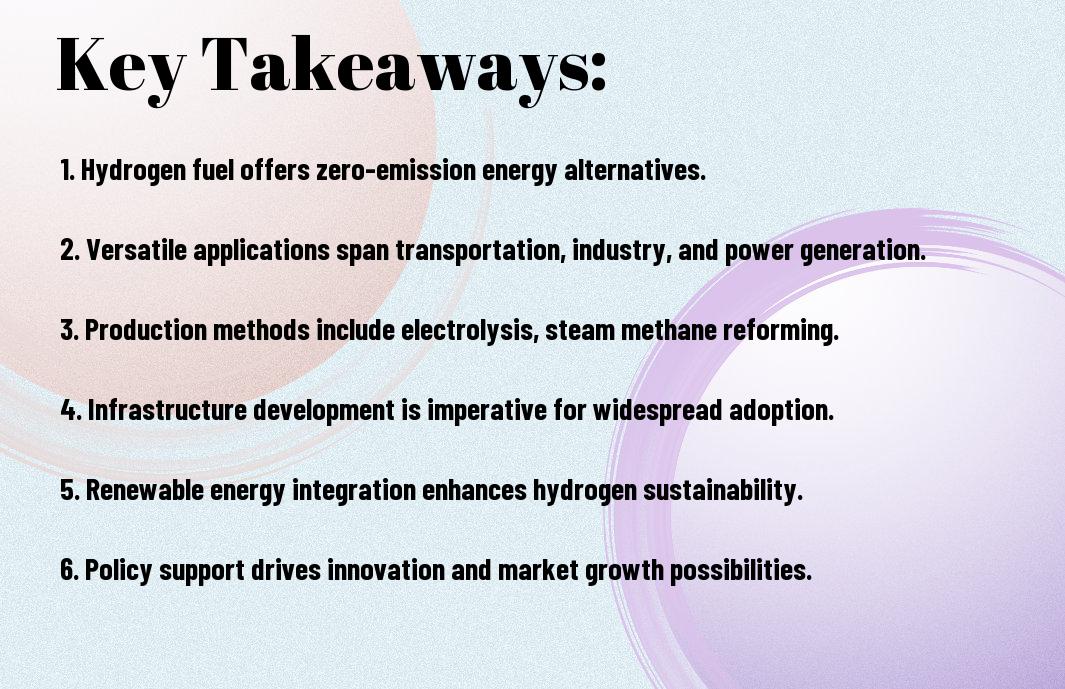
- Hydrogen fuel serves as a clean energy source that can significantly reduce greenhouse gas emissions.
- Versatility: Hydrogen can be used across various sectors, including transportation, industry, and power generation.
- Production methods: Developing green hydrogen production technologies, such as electrolysis using renewable energy, is vital for sustainability.
- Infrastructure development is necessary to support hydrogen distribution and storage, making it more accessible for widespread use.
- Policy support and investment are vital to fostering innovation and scaling up hydrogen technologies, driving the transition towards a low-carbon economy.
Understanding Hydrogen Energy
While the world seeks sustainable energy solutions, hydrogen energy stands out as a versatile and clean alternative. It can be used in various applications, including transportation, power generation, and industrial processes, driving us closer to a decarbonized future. Understanding how hydrogen energy works and its potential will enable you to appreciate its role in combating climate change.
What is Hydrogen Energy?
Understanding hydrogen energy means recognizing it as a clean fuel derived from the simplest and most abundant element in the universe. When hydrogen is burned or used in fuel cells, it generates energy while producing only water vapor as a byproduct, making it an environmentally friendly choice compared to fossil fuels.
Types of Hydrogen Production
At the core of utilizing hydrogen energy are various methods to produce it, each with its own advantages and environmental impacts. Here’s a concise overview of the main types of hydrogen production methods:
| Method | Description |
|---|---|
| Steam Methane Reforming (SMR) | Extracting hydrogen from natural gas. |
| Electrolysis | Splitting water into hydrogen and oxygen using electricity. |
| Gasification | Converting biomass and other organic materials into hydrogen. |
| Photolysis | Using sunlight to split water molecules and produce hydrogen. |
| Fermentation | Utilizing microorganisms to produce hydrogen from organic materials. |
Any of these methods can play a significant role in your understanding of the hydrogen economy, depending on sustainability and resource availability.
Considering the types of hydrogen production, each method comes with unique benefits and challenges, influencing its feasibility in real-world applications. Here’s a detailed look:
| Production Type | Impact |
|---|---|
| Steam Methane Reforming (SMR) | The most common method but has a higher carbon footprint. |
| Electrolysis | Offers a clean approach if powered by renewable energy. |
| Gasification | Utilizes waste materials, reducing landfill impact. |
| Photolysis | A promising technology still under development for efficiency. |
| Fermentation | Emerging method using renewable organic materials. |
Any of these approaches can contribute to the transition towards sustainable hydrogen energy, and choosing the right method depends on your local context and available resources.
The Role of Hydrogen in Decarbonization
Some experts believe that hydrogen plays a vital role in achieving global decarbonization goals. As we transition from fossil fuels, hydrogen can serve as a versatile energy carrier that supports various sectors, such as transportation, heating, and industrial processes. By utilizing hydrogen, you can reduce greenhouse gas emissions and enhance the overall sustainability of your energy system, ultimately contributing to a cleaner environment.
Hydrogen as a Clean Fuel Alternative
Alongside other renewable options, hydrogen stands out as a clean fuel alternative that emits no carbon dioxide when burned. This property makes it particularly appealing for sectors like transportation that are challenging to decarbonize. By adopting hydrogen fuel cells, you can significantly decrease your carbon footprint, paving the way for a sustainable future powered by clean energy sources.
Integrating Hydrogen into Renewable Energy Systems
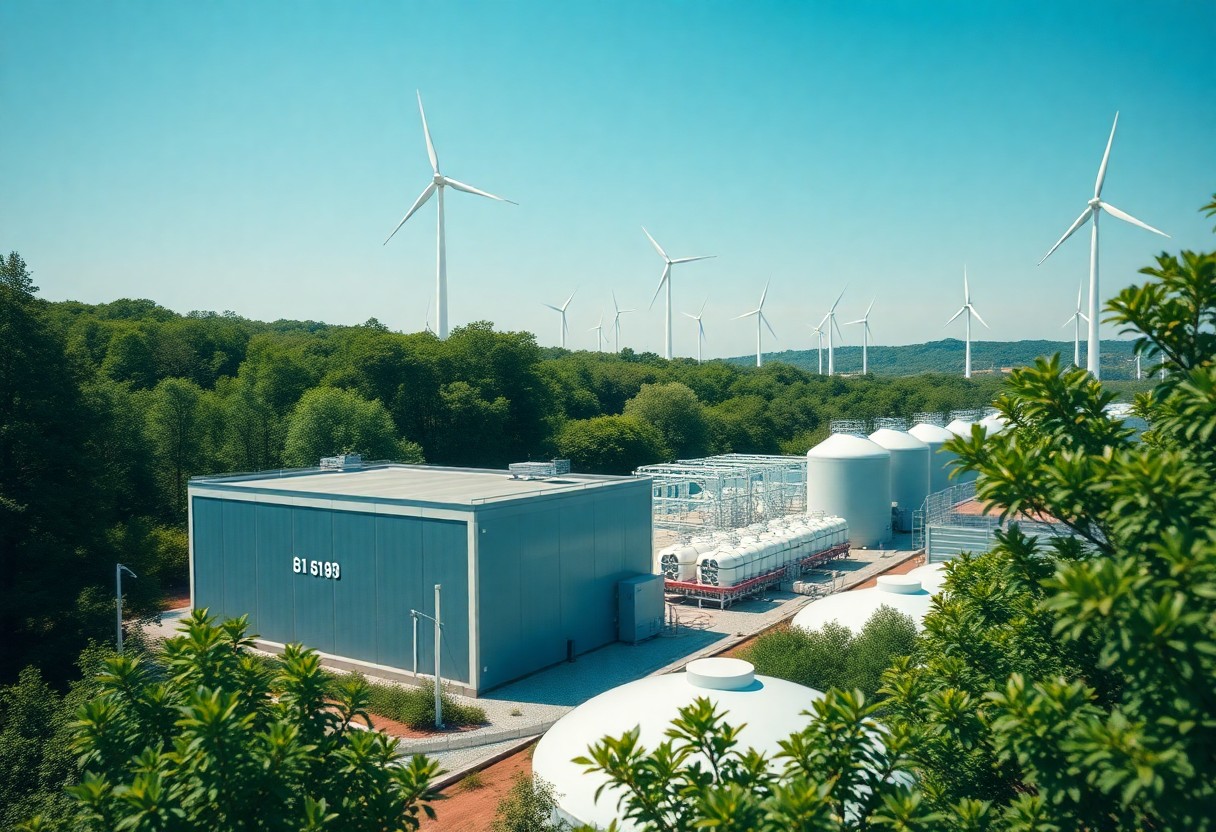
After harnessing renewable energy, the next step is effectively integrating hydrogen into these systems. This integration can stabilize energy supply, offering a means to store excess energy generated from sources like wind and solar. You can utilize this stored hydrogen to meet demand during low production periods, thereby enhancing the resilience and efficiency of your energy system.
Energy production from renewable sources is intermittent, so storing excess capacity is vital. Hydrogen can act as a means to achieve this by converting surplus electricity into hydrogen gas through electrolysis. When demand spikes or renewable production dips, you can convert this stored hydrogen back into electricity via fuel cells or turbines. This closed-loop system not only ensures a stable supply of clean energy but also minimizes waste, promoting a more sustainable and efficient energy ecosystem.
Economic Implications of Hydrogen Energy
To fully understand the potential of hydrogen energy, you must consider its economic implications. As countries aim for a sustainable future, hydrogen presents opportunities for investment, innovation, and a transition towards low-carbon technologies. By integrating hydrogen into the energy mix, you can facilitate a more resilient economy while supporting global efforts for decarbonization.
Cost Trends and Market Potential
Economic conditions for hydrogen production have been evolving, with decreasing costs making the market more appealing. Advancements in electrolysis and other production methods are contributing to lower prices, enabling widespread adoption. Your engagement with this growing sector can open up avenues for businesses and investors in both local and global markets.
Job Creation and Economic Growth
Trends in the hydrogen sector indicate that substantial job creation and economic growth are on the horizon. As you explore the various facets of hydrogen technology, consider how investments in this field can lead to new employment opportunities in production, research, and infrastructure development.
Considering the robust growth patterns associated with hydrogen energy, industries are projected to generate millions of jobs over the next decade. You could find roles in sectors ranging from engineering and manufacturing to logistics and maintenance. By investing in training and education, your community can better prepare for this transition, ultimately leading to a stronger economy that prioritizes sustainability and innovation.
Challenges and Barriers to Adoption
Unlike traditional energy sources, hydrogen energy faces several challenges that hinder its widespread adoption. These obstacles include technological limitations, high production costs, and the need for comprehensive infrastructure development. As you consider the potential of hydrogen energy, it’s crucial to understand these barriers, which can impact its implementation in various sectors.
Technological Hurdles
Barriers exist in the current technology for hydrogen production, storage, and distribution. You may encounter issues related to efficiency, safety, and scalability, which limit the effectiveness of hydrogen as a viable energy source. Advances in technology are needed to address these concerns and pave the way for hydrogen’s broader application.
Policy and Infrastructure Challenges
Across the globe, the lack of supportive policies and adequate infrastructure for hydrogen energy presents significant barriers. You will find that many countries have yet to establish clear regulations or incentives that promote hydrogen technology, which can hinder investment and research into this promising energy source.
Further complicating the landscape, policy frameworks for hydrogen energy are often inconsistent or insufficient, leading to uncertainty among investors and stakeholders. You may notice that many regions lack the necessary infrastructure, such as refueling stations and pipelines, which makes it difficult to integrate hydrogen into the existing energy system. Addressing these challenges requires coordinated efforts from governments, industry players, and researchers to ensure that hydrogen energy can play a significant role in a low-carbon future.
Case Studies of Hydrogen Implementation
All over the world, hydrogen energy is being embraced as a viable solution to decarbonization. Here are some notable case studies:
- Germany: Investment of €9 billion in the National Hydrogen Strategy, aiming for 5 GW of electrolyzer capacity by 2030.
- Japan: Implemented a $1.7 billion hydrogen supply chain initiative, delivering 300 tons of hydrogen annually to Tokyo.
- Netherlands: Launched a green hydrogen pilot project producing 1,000 tons a year, supported by a €200 million investment.
- Australia: Aiming to export hydrogen with a projected output of 1.5 million tons annually by 2030, backed by $70 million in funding.
Successful National Strategies
Case studies demonstrate that successful national strategies foster strong hydrogen economies, leveraging government support and private-sector innovation to enable large-scale projects and collaboration.
Innovations in Industry Applications
About the implementation of hydrogen in various industries, exciting advancements in applications are emerging, enhancing the efficiency and sustainability of operations.
Considering the potential of hydrogen, industries are making significant strides in innovation. Transportation using hydrogen fuel cells shows promise, with zero emissions and longer range compared to traditional batteries. Additionally, sectors like steel manufacturing are exploring hydrogen as a direct reduction agent, potentially revolutionizing the industry’s carbon footprint. By integrating hydrogen technologies, you can further accelerate sustainable practices in your operations, driving a significant impact in the transition to clean energy sources.
Future Prospects for Hydrogen Energy
Not only is hydrogen energy gaining traction as a clean alternative, but its scalability and versatility suggest a promising future. With advancements in production methods and storage technologies, you can expect to see hydrogen playing an increasingly significant role in achieving global decarbonization goals. Its potential in various sectors—from transportation to industrial processes—highlights its value as an integral part of the energy transition.
Emerging Technologies and Research
Around the globe, researchers and innovators are exploring groundbreaking technologies that enhance hydrogen production, efficiency, and storage. Developments in electrolysis, fuel cells, and hydrogen transport are revolutionizing how you might utilize this energy source in the coming years. As these technologies mature, you can anticipate more efficient processes that will make hydrogen energy more accessible and economically viable.
Global Initiatives and Collaborations
Below the surface of individual advancements, global initiatives are forming alliances to promote hydrogen energy’s role in sustainable development. You will find countries and organizations uniting their efforts to create a comprehensive hydrogen economy that can facilitate widespread adoption and innovation.
In addition to these collaborative efforts, various international agreements and partnerships are driving investment in hydrogen infrastructure and technologies. Nations are sharing resources and knowledge to develop comprehensive regulatory frameworks that support hydrogen projects. You can see countries committing to research funding, sharing best practices, and establishing ambitious hydrogen strategies, which help propel the global transition towards a cleaner and more sustainable energy future.
Conclusion
Following this exploration of hydrogen energy, you can see its significant role in your journey towards decarbonization. By adopting hydrogen technologies, you have the potential to reduce greenhouse gas emissions and transition to cleaner energy sources. Embracing hydrogen not only supports sustainable development but also enhances energy security and promotes economic growth. As you consider your energy choices, keep in mind that hydrogen energy stands as an innovative solution to combat climate change and to pave the way for a greener future.
Q: What role does hydrogen energy play in reducing carbon emissions?
A: Hydrogen energy is considered a significant player in the effort to cut carbon emissions, as it can be produced from various renewable sources. When utilized in fuel cells, hydrogen produces only water vapor as a byproduct, leading to an almost zero-emission energy cycle. By incorporating hydrogen into industries like transportation, power generation, and heating, we can significantly lessen our reliance on fossil fuels, thereby achieving decarbonization goals.
Q: How is hydrogen energy produced, and what are the different methods?
A: Hydrogen can be produced through various methods, primarily categorized into two groups: grey hydrogen, which is produced from natural gas through steam methane reforming, and green hydrogen, produced via electrolysis of water using renewable energy sources like wind, solar, or hydro power. Other methods include biomass gasification and thermochemical cycles. The shift to green hydrogen production is imperative for maximizing environmental benefits and supporting sustainability initiatives.
Q: What are the challenges of adopting hydrogen energy on a large scale?
A: Despite its potential, several challenges exist in scaling up hydrogen energy. These include the current high cost of production, especially for green hydrogen, the need to develop a robust distribution infrastructure, and safety concerns related to hydrogen storage and transport. Moreover, advancements in technologies for efficient hydrogen utilization in various sectors are needed to facilitate widespread adoption. Addressing these challenges is vital for fully integrating hydrogen energy into the global energy mix.



Recent Comments