You may wonder about the extent of responsibility that developed nations should assume in addressing global challenges such as climate change and economic inequality. As you navigate this complex issue, it’s imperative to explore the historical context, economic capabilities, and moral obligations of these nations. Understanding the nuances will help you grasp why questions about accountability are so pertinent today. For further insight, take a moment to check out this article on Who Should Bear Responsibility for Climate Change?.
Key Takeaways:
- Historical Emissions: Developed nations have significantly contributed to global greenhouse gas emissions historically, necessitating a higher level of accountability in climate action.
- Financial Support: Wealthier countries are expected to provide financial aid to developing nations to implement sustainable development and adaptation strategies against climate change.
- Technology Transfer: Sharing clean technology and innovation is vital for developing nations to meet their climate goals, reinforcing the responsibility of developed countries.
- Equity and Justice: The principle of climate justice highlights that wealthier nations should lead in addressing climate challenges due to their greater resources and capabilities.
- Global Collaboration: Collective action and international cooperation are necessary, emphasizing that developed countries play a key role in fostering global commitments for environmental sustainability.
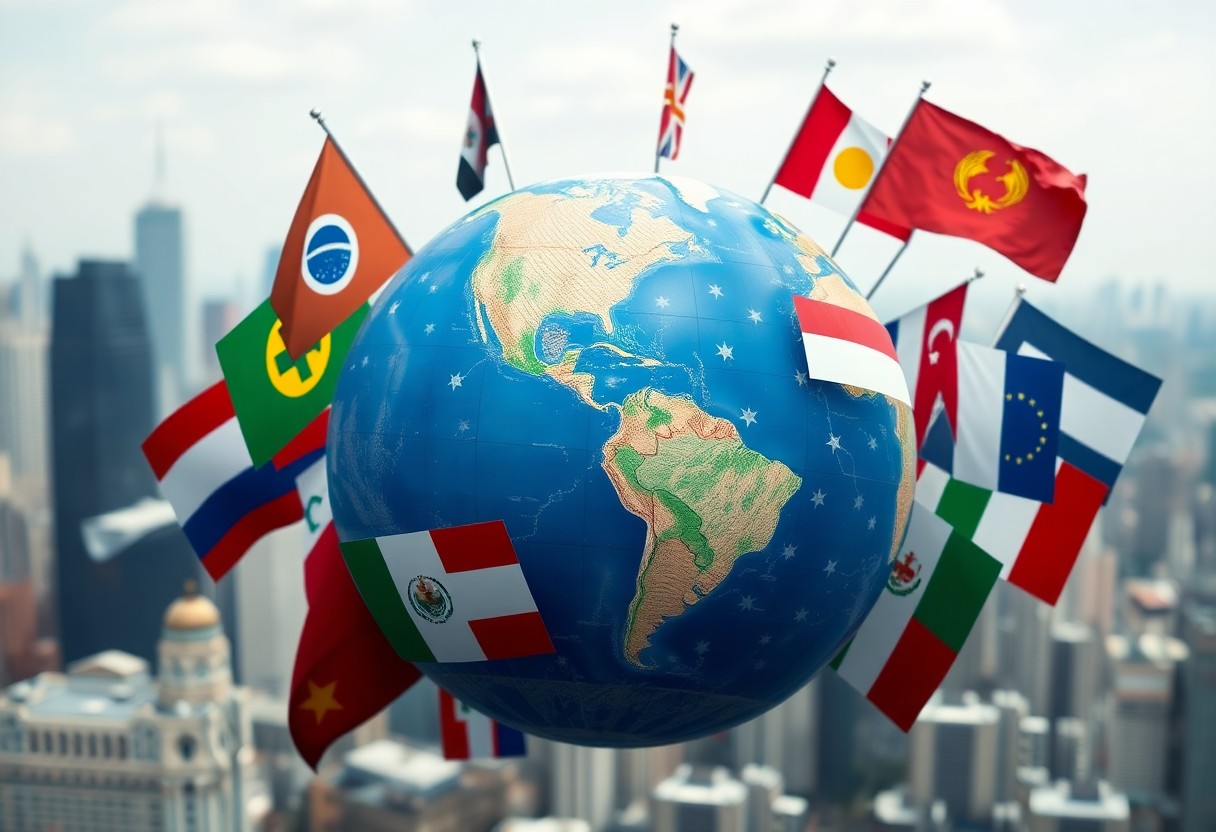
Historical Context of Developed Nations’ Responsibilities
Before understanding the responsibilities of developed nations, it is crucial to explore the historical context that has shaped these obligations. The legacies of past actions, particularly during the era of colonialism and industrialization, have profoundly impacted contemporary global dynamics. Your perspective on how these historical elements influence modern responsibilities will offer an enriched comprehension of the moral and ethical duties developed nations face today.
Colonial Legacy and Its Impact
Behind the current global inequalities lies a colonial legacy that has left lasting scars. As you examine this legacy, you may notice how the exploitation of resources and people during colonial times has directly contributed to the socioeconomic conditions in formerly colonized nations. This historical backdrop prompts you to consider the ethical implications and responsibilities today’s developed countries bear in addressing these long-standing disparities.
Economic Development Contributions
Below the surface of economic development discussions are the tangible contributions of developed nations that shaped the global economy. You can observe how these contributions not only fueled growth in their own countries but also impacted the development trajectories of emerging economies. By examining these interactions, you can better articulate the responsibilities that come with the influence developed nations wield in global economic affairs.
Responsibilities of developed nations extend beyond past interventions; they include active engagement in supporting sustainable development in less affluent regions. As you consider economic development, you will find that significant investments, technology transfer, and fair trade practices can play a pivotal role in alleviating poverty and fostering economic stability. Understanding these contributions can motivate you to advocate for policies that promote equitable development, ensuring that past actions do not dictate the future of global economic relations.
Climate Change and Environmental Responsibility
Some might argue that developed nations hold a greater responsibility in addressing climate change and environmental degradation. As they have historically contributed the most to greenhouse gas emissions, these nations are often seen as having a moral obligation to lead in environmental protection and sustainable practices. The effects of climate change disproportionately impact vulnerable populations, making it important for developed countries to take the initiative in creating effective policies and international cooperation for the future.
Emissions and Global Warming
To combat global warming effectively, it is vital for you to understand the role of emissions produced by developed nations. These countries have been significant contributors to carbon dioxide and other greenhouse gases, leading to rising global temperatures. Your awareness of these emissions can help emphasize the need for accountability and encourage stronger action towards reducing carbon footprints.
Mitigation Strategies and Funding
Between policy reform, renewable energy investments, and technology innovation, you play a key role in determining how developed nations can foster climate mitigation strategies. Additionally, funding those initiatives, particularly in developing nations, can amplify efforts to tackle climate change on a global scale. As you engage with your community on these topics, advocating for support of both local and international projects can enhance the effectiveness of these strategies.
It is important for you to recognize that effective mitigation strategies require financial investment and collaboration. When developed nations contribute funds to support sustainable projects in developing regions, they not only help reduce emissions but also foster economic development. By promoting clean energy initiatives, reforestation, and climate resilience programs, you can assist vulnerable nations in adapting to climate change and achieving their sustainability goals while reinforcing the idea that climate action is a collective responsibility.
Global Health and Pandemic Response
Unlike previous global health crises, the COVID-19 pandemic has underscored the interconnectedness of our world. Developed nations, with their advanced healthcare systems and resources, play a significant role in addressing these challenges. Your ability to respond effectively to pandemics not only impacts your citizens but also has profound implications for global stability and health equity. As such, the responsibility to act swiftly and decisively falls heavily on the shoulders of wealthier countries.
Vaccine Distribution and Access
Against a backdrop of unequal vaccine access, developed nations must grapple with their obligations to support global health initiatives. The disparity between wealthier and poorer nations in vaccine distribution has significant consequences on the pandemic’s trajectory. Your commitment to equitable access can help safeguard the health of populations worldwide, fostering a more united response to emerging threats.
Investment in Global Health Infrastructure
At the same time, you must consider the importance of investing in robust global health infrastructure. This investment not only enhances your own preparedness for future health crises but also strengthens the healthcare systems of developing nations. By prioritizing infrastructure development, you contribute to building a more resilient global health network that can respond effectively to pandemics.
Also, investing in global health infrastructure means considering initiatives that enhance healthcare delivery in underserved regions. By channeling funds into building hospitals, training healthcare workers, and developing supply chains, you empower local communities to manage health threats more effectively. This proactive approach not only mitigates the spread of infectious diseases but can also create sustainable healthcare systems that benefit everyone. Your engagement in this endeavor paves the way for a healthier, more equitable future across the globe.
Economic Inequality and Development Aid
Your understanding of the complex relationship between economic inequality and development aid is important in evaluating how developed nations should respond to global challenges. These inequalities often stem from historical injustices and systemic barriers, making it imperative for wealthier nations to play a compassionate and active role in leveling the playing field through targeted support and resources.
The Role of Foreign Aid
Development aid serves as a vital tool for addressing the disparities between developed and developing nations. It enables your country to invest in important services such as health care, education, and infrastructure, which can accelerate progress and empower communities. However, the effectiveness of this aid depends significantly on transparency, accountability, and coordination between donor and recipient nations.
Sustainable Development Goals
Among the initiatives designed to address global inequality are the Sustainable Development Goals (SDGs), adopted by UN member states to create a blueprint for a more equitable future.
Considering your role in supporting these goals, it’s vital to understand that the SDGs encompass 17 objectives aimed at eliminating poverty, ensuring quality education, and promoting gender equality, among others. Developed nations are encouraged to align their foreign aid strategies with these goals, ensuring their resources are directed toward sustainable projects that genuinely uplift communities. This commitment not only fosters global solidarity but also ultimately benefits humanity as a whole.
Ethical Considerations in Global Responsibility
Not all nations share equal resources or capacities, which raises ethical questions about the level of responsibility that developed nations should carry. In a global context, wealthier countries must consider their historical role in contributing to current environmental and socioeconomic disparities, prompting a reflection on fairness and justice in international responsibility.
Moral Obligations to Vulnerable Nations
Behind the statistics and policies, there lies a moral imperative for developed nations to support vulnerable nations facing the direct impacts of climate change, poverty, and conflict. You should recognize that helping these nations is not merely charitable; it’s an ethical obligation rooted in global interdependence and shared humanity.
The Principle of Common But Differentiated Responsibilities
An vital framework in addressing global issues is the principle of common but differentiated responsibilities (CBDR). This principle acknowledges that while all nations share the duty to protect the planet, they bear varying levels of responsibility based on their historical contributions and current capacities.
Differentiated responsibilities mean that developed nations, having contributed significantly to environmental degradation, must take the lead in climate action and global support initiatives. You should understand that this principle allows for a more equitable approach, ensuring that vulnerable nations receive the assistance they need to cope with challenges, while developed countries commit to reducing their environmental impact and aiding those less fortunate. Embracing this principle is key to fostering global cooperation and justice.
Case Studies of Developed Nations’ Actions
Once again, examining specific actions taken by developed nations provides insight into their responsibilities. Here are notable case studies showcasing various approaches:
- United States: Contributed $2.8 billion to the Green Climate Fund, aimed at supporting climate change resilience in developing countries.
- Germany: Committed to reducing greenhouse gas emissions by 55% by 2030 compared to 1990 levels, setting a benchmark for sustainability.
- Japan: Invested $10 billion in renewable energy projects across Southeast Asia, promoting low-carbon technologies.
- Canada: Pledged to plant 2 billion trees over the next decade, helping to absorb CO2 emissions.
- European Union: Set a target of becoming climate-neutral by 2050, leading various initiatives to cut carbon emissions significantly.
Success Stories and Lessons Learned
Nations that have successfully reduced carbon emissions often showcase strategies that inspire others. For example, Germany’s Energiewende demonstrates how transitioning to renewable energy can be both economically viable and environmentally beneficial. By fostering innovation and encouraging public participation, these nations have paved the way for effective climate action while securing long-term sustainability.
Failures and Areas for Improvement
Developed nations have, at times, fallen short in their climate commitments. Many have struggled to meet their emissions reduction targets, with inadequate policies and insufficient public engagement in sustainability efforts.
Even when developed nations set ambitious targets, gaps between policy and implementation often hinder progress. For instance, despite Germany’s stated goals, its reliance on coal power has complicated efforts to achieve climate neutrality. Additionally, the United States’ fluctuating political climate has led to inconsistent climate policies, impacting international agreements. Addressing these failures requires a reevaluation of strategies, focusing on transparency, community involvement, and stronger accountability measures to ensure commitments translate into meaningful actions.
Summing up
Ultimately, you must consider the intricate balance of historical emissions, economic capacity, and moral obligation that developed nations face in addressing global challenges. As you evaluate how much responsibility these nations should bear, you will find that factors such as financial support for developing countries, the implementation of sustainable technologies, and the need for equitable climate policies all play a significant role. Your understanding of these elements will shape the narrative on global cooperation and justice in our increasingly interconnected world.
Q: How should developed nations assess their responsibility in addressing global issues?
A: Developed nations should assess their responsibility by considering their historical contributions to global challenges, such as climate change and economic inequality. They should analyze their roles in creating and perpetuating these issues and evaluate their capacity to contribute solutions. This involves setting measurable targets, collaborating with international organizations, and engaging with developing nations to understand their needs and perspectives effectively.
Q: What specific actions can developed nations take to support developing nations?
A: Developed nations can support developing nations through financial aid, technology transfer, and capacity-building initiatives. This includes increasing public and private investment in sustainable development projects, providing training and resources to local governments and organizations, and facilitating access to clean technologies. Moreover, they can work towards fair trade agreements that benefit developing economies and help integrate them into the global market.
Q: How do moral and ethical considerations influence the responsibility of developed nations?
A: Moral and ethical considerations play a significant role in how developed nations perceive their responsibilities. Many argue that wealthier nations have an obligation to assist those less fortunate due to historical injustices, such as colonialism and exploitation. This ethical perspective encourages developed nations to prioritize global equity, environmental sustainability, and human rights in their policies, fostering a more just and cooperative international community.


Recent Comments