Over the years, you may have witnessed the power of grassroots activism as it transforms communities and protects the environment. In this blog post, we will explore how passionate individuals came together to defend a vital forest from destruction. You’ll learn about the strategies they employed, the challenges they faced, and the remarkable outcomes that demonstrate the impact of collective action. By understanding these efforts, you can be inspired to engage in your own advocacy and contribute to preserving nature in your own community.
Key Takeaways:
- Community Engagement: Grassroots activism heavily relies on local community involvement to advocate for environmental protection and policy changes.
- Awareness Campaigns: Effective communication strategies, including social media outreach, play a significant role in raising public awareness about environmental issues.
- Coalition Building: Collaboration among different groups, including environmentalists, residents, and local organizations, strengthens the movement and increases its impact.
- Policy Advocacy: Grassroots movements often focus on influencing policymakers and engaging in legal battles to secure lasting protections for natural resources.
- Sustained Efforts: Long-term commitment and consistent activism are necessary for achieving success in preserving and protecting natural spaces against development threats.
The Importance of Forests
The health of our planet hinges on forests, which are vital for sustaining biodiversity, regulating climate, and safeguarding water sources. Forests provide habitat for countless species, promote soil stability, and play a significant role in carbon sequestration. By appreciating the importance of forests, you can contribute to their preservation and ensure a healthier environment for future generations.
Ecological Benefits
Above all, forests are necessary ecosystems that support diverse flora and fauna. They improve air quality by filtering pollutants and producing oxygen, while also playing a key role in preventing soil erosion and regulating water cycles. In your effort to protect forests, you not only protect wildlife but also strengthen the ecological balance on our planet.
Economic Contributions
At the same time, forests offer numerous economic benefits that directly impact your community. They provide resources such as timber, medicinal plants, and non-timber forest products, fueling local economies and creating job opportunities. Sustainable forestry practices ensure that these resources are available for future generations while balancing ecological health.
Even beyond timber, forests contribute to the economy through tourism and recreational opportunities. They attract visitors seeking hiking, camping, and nature experiences, boosting local businesses and creating jobs in hospitality and outdoor recreation. Additionally, forests enhance property values and reduce costs associated with stormwater management and air purification. By understanding and advocating for the economic importance of forests, you can help forge a sustainable future that benefits both people and the environment.
Grassroots Activism Defined
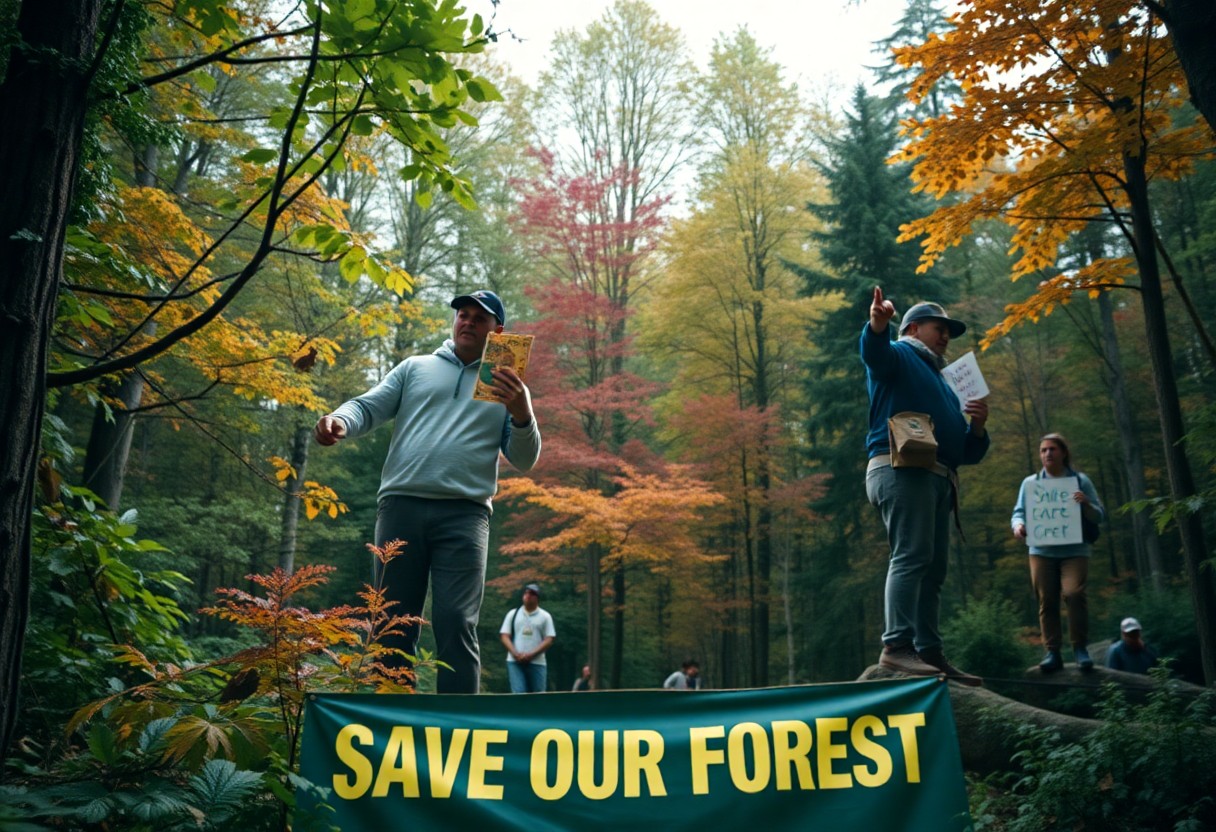
It is important to understand that grassroots activism refers to the efforts of everyday individuals who come together to create change from the ground up. This type of activism relies on community involvement, emphasizing the power of collective action to address local issues and influence decision-makers. By harnessing the passion and resources of the community, grassroots movements can effectively challenge larger systems and advocate for the preservation of valuable resources, such as forests.
Community Engagement
Along with your commitment to activism, community engagement plays a significant role in mobilizing support for environmental causes. By hosting workshops, community meetings, and educational events, you can foster connections among residents and raise awareness about the importance of preserving local natural resources. Building a strong network not only empowers individuals but also cultivates a shared sense of responsibility for defending the environment.
Mobilization Strategies
Above all, effective mobilization strategies are key to the success of grassroots initiatives. To rally support and create meaningful change, you can utilize a variety of tactics, including social media campaigns, petitions, and demonstrations. Engaging with local media to share your message can amplify your efforts and lead to greater public awareness.
This combination of strategies can help you reach a wider audience and maintain momentum in your advocacy efforts. By organizing events, sharing personal stories, and highlighting the forest’s ecological significance, you can inspire others to join your cause. Your ability to adapt and innovate in response to challenges will also contribute to the overall effectiveness of these mobilization strategies, ensuring that your grassroots movement continues to thrive.
Case Study: The Forest in Question
Many activists rallied to protect a vital forest that faces unprecedented threats. This case study explores the challenges and community efforts that played a significant role in its preservation. You will gain insights into the factors that put this ecosystem at risk and how grassroots movements can lead to meaningful change.
Background of the Forest
The forest in question is a diverse ecosystem teeming with unique species and natural beauty. Located in your community, it has served as a refuge for wildlife and a place for recreation for generations. Its rich biodiversity contributes to the overall health of the environment, making it an invaluable asset to your region.
Immediate Threats to the Ecosystem
Question arises about the immediate threats facing this forest, including industrial development, logging, and climate change. These pressures can degrade the delicate balance of this ecosystem, putting countless species at risk and compromising its ability to provide vital environmental services.
For instance, industrial development near the forest has led to habitat fragmentation, which can disrupt wildlife migration patterns. Additionally, logging activities not only remove valuable trees but also damage the soil and water systems, further weakening the ecosystem. Climate change brings additional challenges by altering weather patterns, increasing the likelihood of pests and diseases, and threatening the overall resilience of the forest. Each of these factors compounds the pressure on this vital natural resource and highlights the need for immediate action to safeguard it.
Building a Coalition
Now, you will need to focus on building a coalition that includes individuals and organizations who share your goal of protecting the forest. Connecting with like-minded groups amplifies your impact, bringing together diverse talents, resources, and perspectives. This united front not only strengthens your advocacy but also showcases the widespread support for your cause. Engaging different members of the community will be key to creating lasting change.
Diverse Stakeholders
After identifying potential allies, you should reach out to diverse stakeholders, including local businesses, environmental organizations, and community leaders. Their input and insights can enhance your campaign, as they often have networks and expertise that can accelerate your efforts. By recognizing the unique contributions each stakeholder brings, you can forge a more effective and inclusive movement.
Formulating a Unified Message
Along the way, it is imperative to formulate a unified message that resonates with everyone in your coalition. This clarity not only enhances communication but also ensures that all members are on the same page when advocating for the forest.
In addition, creating a powerful, succinct message is vital for rallying support and capturing public attention. Ensure that your message encapsulates the core values and objectives of your coalition. Consider crafting a tagline or slogan that is easy to remember and share. A consistent message reinforces your mission and helps mobilize members and supporters alike, making it easier to communicate your goals through various platforms. This unity in messaging not only strengthens your advocacy but also helps to galvanize public interest and involvement.
Strategies Employed by Activists
Unlike traditional advocacy methods, grassroots activists implement diverse, innovative strategies to mobilize support for their cause. By engaging the community through various platforms and methods, they create a powerful unified front against environmental threats. These strategies often include innovative use of social media, public demonstrations, and community events that enhance awareness and participation in preservation efforts.
Social Media Campaigns
With the rise of social media, activists have harnessed its power to reach a wider audience and foster a sense of community among supporters. By creating compelling content and sharing stories about the forest’s importance, you can galvanize others to join your cause and advocate for its protection online.
Public Demonstrations and Events
Between organizing protests, rallies, and educational workshops, public demonstrations play a pivotal role in your grassroots activism efforts. These events offer opportunities for locals to voice their concerns and showcase solidarity for the forest’s preservation. Through engaging activities, you can inspire more people to connect with the cause and take action.
Another effective way to amplify your message during public demonstrations is to incorporate art, music, and interactive experiences that resonate with various audiences. These elements not only draw attention but also create a memorable atmosphere that encourages individuals to engage with your cause on a deeper level. By fostering a sense of community, you can inspire attendees to become active participants in the fight to save the forest.
Measuring Impact
All successful grassroots activism initiatives must assess their effectiveness to create lasting change. By analyzing the results of their efforts, individuals and organizations can better understand their contributions to environmental protection and community engagement. This evaluation process not only provides insight into what worked and what didn’t, but it also helps inform future strategies. By focusing on measurable outcomes, you can achieve more significant progress in your environmental advocacy efforts.
Legal Outcomes
By mobilizing community support and raising awareness, grassroots activists can influence legal protections for forests. They often advocate for new regulations or the enforcement of existing laws that safeguard natural resources. This collective effort can lead to significant changes in policy and hold corporations accountable for environmental damage.
Community Involvement and Education
Above all, community involvement and education play a vital role in empowering citizens to engage with environmental issues. By participating in workshops, outreach programs, and volunteer opportunities, you can foster a deeper understanding of local ecosystems and their importance. This knowledge empowers you and those around you to take meaningful action, cultivating a culture of stewardship that benefits the forest.
But increasing community involvement doesn’t stop at education alone; it also involves creating actionable opportunities for people to contribute. By organizing events like tree planting, cleanup drives, and nature walks, you encourage hands-on participation that enhances individual connections to the forest. This grassroots approach not only strengthens community ties but also leaves a positive impact on the environment you cherish and seek to protect.
Summing up
Now you understand how grassroots activism has the power to protect vital ecosystems like forests. By mobilizing local communities, engaging with policymakers, and raising awareness, you can play a significant role in conservation efforts. Your participation, whether through volunteering, advocating for sustainable practices, or simply educating others, can help ensure that natural spaces are preserved for future generations. Embrace your role in activism and recognize that your voice and actions matter in the fight for environmental protection.
Q: What were the main challenges faced by grassroots activists in their efforts to save the forest?
A: Grassroots activists confronted various obstacles, including legal hurdles from developers seeking to clear the land, opposition from local government officials who supported commercial interests, and the need to raise public awareness about the environmental significance of the forest. They had to mobilize community support, organize protests, and engage in environmental education to counteract misinformation about the benefits of development versus preservation.
Q: How did grassroots activism effectively engage the local community?
A: Grassroots activists facilitated community meetings and workshops to inform residents about the environmental importance of the forest and the potential ecological damage that development could cause. They utilized social media platforms to share stories, organize events such as tree planting and clean-ups, and create campaigns that highlighted the forest’s unique biodiversity. By fostering a sense of shared ownership and pride in the natural space, they galvanized local participation and support for the cause.
Q: What specific actions did grassroots organizations take to achieve their goals in saving the forest?
A: Grassroots organizations deployed a variety of strategies, such as initiating petitions to rally signatures in support of forest preservation, collaborating with environmental experts to conduct biodiversity studies, and organizing awareness campaigns that expressed the community’s values. They also participated in town hall meetings, lobbied local officials to reconsider development plans, and formed alliances with other conservation groups to amplify their message. These collective efforts culminated in a strong, united front that successfully pressured decision-makers to prioritize conservation efforts over commercial exploitation.



Recent Comments