There’s a powerful movement happening in climate change awareness, and its impact can be felt in advertising. You may have seen various campaigns designed to captivate your attention and inspire action. In this post, we’ll explore some of the most creative climate change ads that have gone viral, illustrating how these innovative approaches have shifted public perception and sparked meaningful conversations. For a broader look at impactful messaging, check out these 10 green viral videos you should watch now.
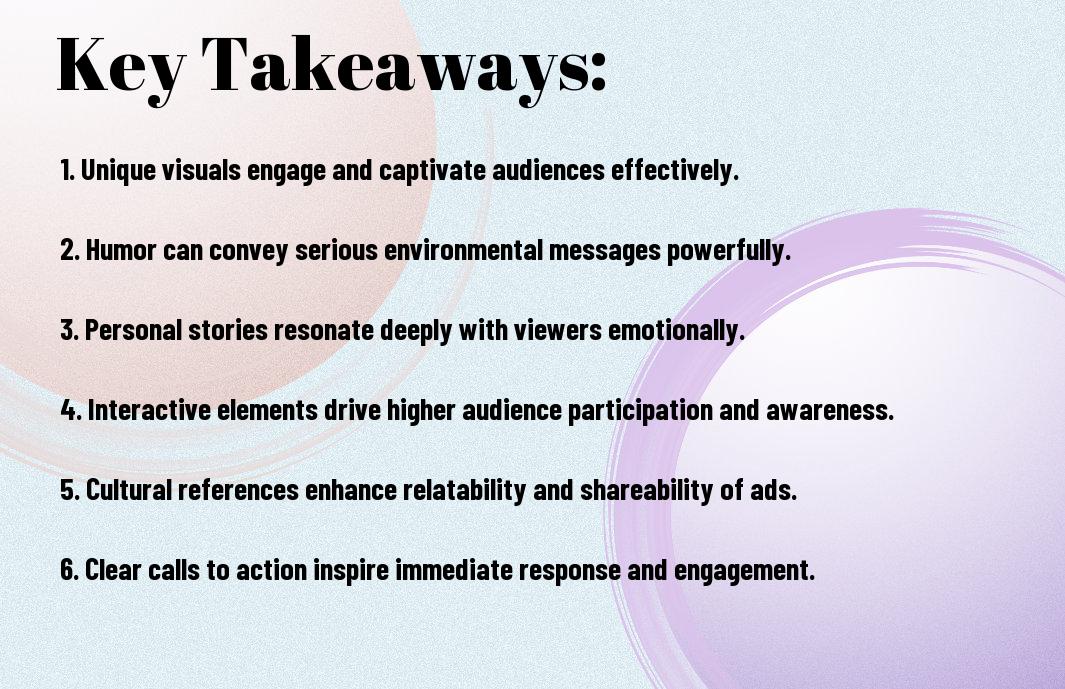
Key Takeaways:
- Engagement: Creative ads that spark conversation often gain traction and reach a larger audience.
- Visual Impact: Striking imagery and innovative graphics make the message more memorable and shareable.
- Emotional Appeal: Ads that evoke strong emotional responses can inspire action and motivate viewers to share the content.
- Humor: Incorporating humor can break down barriers and make serious topics more accessible and relatable.
- Clear Messaging: Simple yet powerful messages resonate better with audiences and enhance retention and understanding.

The Power of Emotion in Climate Advertising
While facts and statistics play a vital role in climate advertising, tapping into your emotions can create a lasting impact. Emotional appeals resonate with audiences, making them more likely to engage with the message and take action. By connecting climate change to personal experiences and feelings, these ads can spark conversations and motivate collective efforts toward sustainability.
Evoking Urgency
Between rising sea levels and extreme weather events, climate advertising often emphasizes the immediate threats posed by inaction. By using vivid imagery and alarming statistics, these campaigns compel you to understand that time is of the essence. The urgency conveys that your choices today will shape the future of the planet, making it impossible to ignore the need for swift action.
Creating Empathy
Across various climate ads, you often see a strong focus on human stories that foster compassion for those affected by environmental issues. These narratives personalize the crisis, allowing you to connect emotionally with the struggles of others. This shared humanity becomes a catalyst for change, nudging you to reflect on your own lifestyle choices and the impact they have on the world.
Empathy plays a vital role in climate advertising by allowing you to see the broader implications of climate change on individuals and communities. When you’re presented with heart-wrenching stories of displaced families, endangered species, or struggling farmers, it makes the issue feel tangible. This emotional connection prompts you to act, reinforcing the idea that climate change isn’t just an abstract phenomenon; it’s a real challenge that affects people just like you. By fostering a sense of responsibility for others, these campaigns inspire collective efforts to create a more sustainable future.
Memorable Campaigns That Sparked Conversations
Even though climate change can be a serious topic, numerous campaigns have successfully combined creativity and urgency to ignite meaningful dialogues. These innovative advertisements don’t just inform; they encourage you to think critically about the issues while fostering a sense of community and collective responsibility. By using relatable messages and eye-catching techniques, these campaigns have sparked conversations that resonate on both local and global levels, engaging audiences in ways that drive social change.
The Role of Humor
Along with serious messaging, humor has proven to be an effective tool for capturing your attention and making complex issues more relatable. Many campaigns utilize witty approaches and comedic elements to convey their messages, facilitating discussion while lightening the heaviness associated with climate change. This unexpected blend of humor creates a powerful platform for engagement, encouraging you to share and participate in the conversation.
Iconic Visuals and Their Impact
Across many successful campaigns, striking visuals have played a pivotal role in capturing your interest and sparking awareness. These memorable images often serve as powerful metaphors for the environmental crises we face, enabling you to grasp the urgency of climate action. By presenting information in a visually appealing manner, these campaigns tap into your emotions and make the message hard to ignore.
Even in our fast-paced digital world, visuals can linger in your memory long after you’ve seen them. Iconic images can cut through the noise, making you pause and reflect on their deeper meanings. Whether it’s a vivid portrayal of the effects of pollution or a stark contrast between nature and urbanization, these visuals serve to effectively convey the gravity of climate change. This emotional resonance often encourages you to share the content, amplifying its impact and fostering conversations that urge change within both personal and societal contexts.
Social Media Trends in Climate Change Awareness
Unlike traditional advertising, social media platforms have transformed how climate change awareness spreads. Your online presence can influence how quickly information travels, particularly when you engage with Climate Change Advertisement trends. TikTok and Instagram have become hotspots for viral campaigns, allowing creators to inform and inspire audiences with creative content that captures the urgency of the climate crisis.
Hashtags That Made a Difference
Before social media, raising awareness about climate change was often left to formal channels and lengthy articles. Hashtags like #ClimateAction and #FridaysForFuture have revolutionized this movement, allowing you to join a larger community while spreading important messages quickly and effectively. Your post can reach far beyond your followers, creating a collective online force advocating for the planet.
Influencer Collaborations
The collaboration between influencers and climate activism has proven to be highly effective. When you align with influencers who share your values, their extensive reach allows your message about climate change to penetrate new audiences, ensuring greater visibility for your cause. This partnership not only educates but also empowers your followers, encouraging them to engage and take action.
Awareness around climate change has grown immensely due to influencers leveraging their platforms for good. By showcasing sustainable lifestyle choices or championing eco-friendly products, they can spark conversations among their viewers. You can utilize these collaborations by creating impactful content together, thus driving the message home that every small action counts in the fight against climate change.
The Evolution of Climate Change Messaging
Once again, climate change messaging has transformed dramatically over the years. Initially characterized by stark warnings and scientific dread, it has gradually embraced more creative approaches. Today, innovative campaigns use humor, relatable visuals, and storytelling to communicate the urgency of the climate crisis. This shift not only engages a broader audience but also reflects a deeper understanding of how to connect emotionally with you, the viewer, to foster action and awareness in more accessible ways.
From Serious to Relatable
About your connection to climate change, the messaging has shifted from being overwhelmingly serious to striking a relatable chord. Advertisements now often feature everyday scenarios that highlight the impacts of climate change on your daily life. This relatable approach encourages you to see the issue not just as an abstract concept but as something that affects you, your community, and your future.
Shifting Audience Perceptions
By adapting to your evolving attitudes and perceptions about climate change, campaigns have become more effective in sparking conversation and encouraging action. The emergence of relatable messaging helps demystify complex scientific concepts, engaging you in the narrative and moving away from the sense of helplessness often conveyed by traditional methods.
With each innovative campaign, you start to see climate change as not only a global issue but also a personal one. This shift in perception emphasizes the power of collective action while reinforcing the idea that individual choices matter. As these campaigns resonate more deeply, they inspire you to take ownership of your role in the climate crisis, fostering a sense of community and responsibility toward creating sustainable change.
Analyzing the Success of Viral Ads
Keep in mind that the success of a viral ad extends beyond mere views. It’s crucial to analyze how the ad resonates with your audience and prompts them to act. Factors like engagement, shareability, and brand recall play significant roles in determining the overall impact. By assessing these elements, you can understand what worked well and apply those insights to future campaigns.
Key Metrics to Consider
Any effective analysis of viral ads should include key metrics such as reach, impressions, engagement rates, and conversion rates. These metrics provide a clearer picture of the ad’s performance and highlight areas for improvement. Additionally, monitoring social shares and audience sentiment can offer insights into how well your message is being received.
Case Studies of Effective Campaigns
Behind every successful viral ad, there are data-driven strategies that resonate with the audience. Here are some case studies that exemplify effectiveness in climate change messaging:
- The Ice Bucket Challenge: Over $220 million raised for ALS research, with millions of videos shared globally.
- Unicef’s #Endviolence campaign: Over 400 million impressions and significant partnerships formed, advocating for children’s rights.
- LEGO’s Rebuild the World: Achieved over 100 million views across various platforms, increasing brand favorability by 32%.
- Extinction Rebellion’s viral protests: Garnered global media coverage and millions of social media engagements, raising awareness about climate emergencies.
Effective campaigns are often rooted in authentic storytelling and emotional connections. You can see from these case studies how aligning your message with current issues can resonate deeply with audiences, leading to impressive engagement and impact. By analyzing these examples, you can glean actionable insights for crafting your own compelling campaigns that inspire action against climate change.
Future Trends in Climate Change Advertising
To effectively engage audiences in the climate change dialogue, future advertising will increasingly integrate innovative concepts and multidimensional approaches. This means you should anticipate campaigns that combine emotional storytelling, interactive elements, and data-driven insights, all aimed at motivating sustainable actions on a larger scale. As your understanding of the audience’s values and priorities deepens, effective climate change ads will evolve to reflect your motivations and aspirations.
Embracing Technology and Innovation
At the heart of future climate advertising lies a commitment to harnessing emerging technologies. This includes utilizing augmented reality, virtual reality, and artificial intelligence to create immersive experiences that connect you directly to the realities of climate change. By engaging with innovative platforms, you will find that climate advocacy becomes more accessible and relatable.
The Importance of Authenticity
Behind every successful climate campaign is a genuine message that resonates with your audience’s values. As consumers become more discerning, they increasingly favor brands that demonstrate transparency and take authentic actions toward sustainability. Your communication should align seamlessly with the brand’s identity and practices to cultivate trust and loyalty.
Further exploring the need for authenticity, it’s vital that your climate change advertising not only focuses on persuasive messaging but also reflects the true commitment and efforts behind the initiatives. Insincere claims can damage trust, so you should aim to share real stories, outcomes, and partnerships that highlight your genuine contributions to environmental sustainability. By doing so, you build a foundation of credibility that empowers you to forge deeper connections with your audience.
Final Words
The power of creative climate change ads lies in their ability to engage you and provoke thought on an urgent issue. By utilizing striking visuals, humor, and relatable scenarios, these campaigns successfully resonate with a wide audience, encouraging you to take action in your own life. As you explore the history of viral climate ads, consider how these innovative approaches can inspire your own advocacy and drive meaningful conversations within your community. Embracing creativity in this fight against climate change empowers you to amplify your voice for a more sustainable future.
FAQ
Q: What are some examples of creative climate change ads that went viral?
A: There have been various notable creative climate change ads that captured public attention and went viral. For instance, the “Plastic Pollution” campaign by National Geographic showcased the devastating effects of plastic waste on the environment. Another example is the “Before the Flood” campaign featuring Leonardo DiCaprio, which used powerful imagery and storytelling to convey the urgent necessity of addressing climate change. Additionally, the “This is Your Chance” campaign by the UN emphasized individual responsibility by encouraging people to take action against climate change through engaging and relatable visuals.
Q: How do these ads manage to engage viewers effectively?
A: Creative climate change ads often utilize storytelling, emotional appeal, and striking visuals to engage viewers. By telling compelling stories or presenting shocking statistics, these ads create a sense of urgency that resonates with the audience. Additionally, incorporating humor or relatable scenarios helps the message stick, making it easier for viewers to connect with the subject matter. Incorporations of influencer endorsements and social media strategies also amplify their reach, increasing the likelihood of the ads going viral.
Q: What role do social media platforms play in the virality of climate change ads?
A: Social media platforms are integral to the virality of climate change ads as they provide a space for rapid sharing and widespread dissemination. Advertisements that elicit strong emotional responses are more likely to be shared, liked, and commented on by users across platforms like Facebook, Instagram, and Twitter. Additionally, targeted social media campaigns can reach specific demographics, encouraging more personalized interactions. The interconnected nature of these platforms allows for discussions and engagement, helping to raise awareness and mobilize action around climate change initiatives.


Recent Comments