
It’s important to understand how the Ice Age can inform your perspective on current climate change. By examining the patterns and causes of past climate shifts, you can gain valuable insights into the complexities of our planet’s climate system. The lessons from these ancient periods highlight the interconnectedness of environmental factors and human activity, offering you a clearer understanding of how your actions impact the Earth today. This knowledge can empower you to make informed decisions about sustainability and resilience in the face of modern climate challenges.
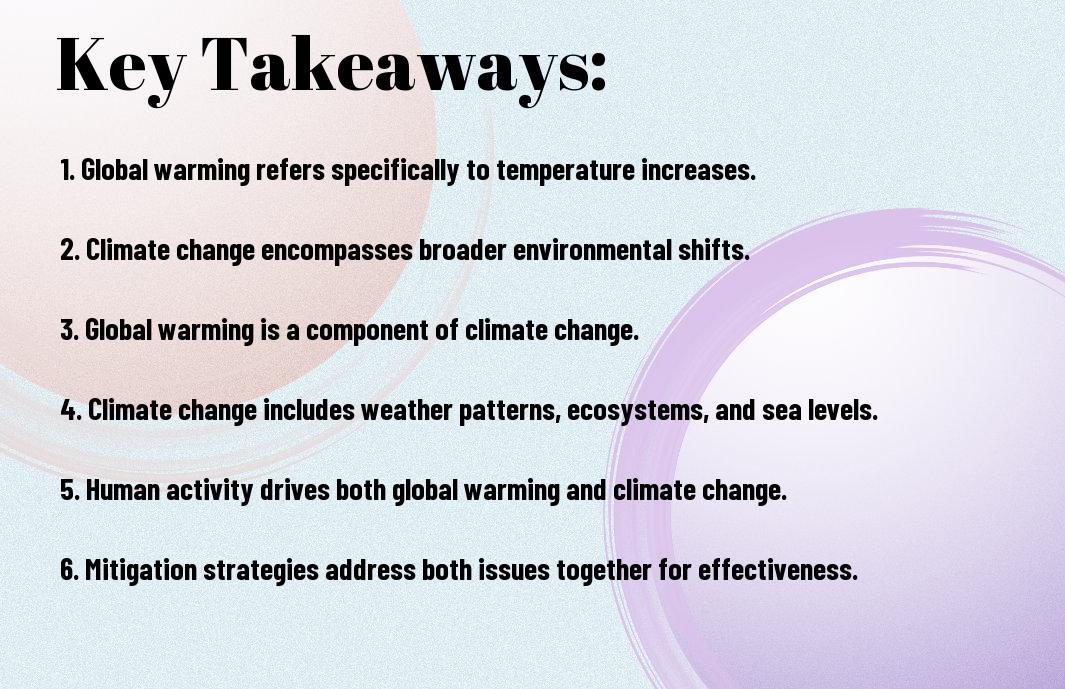
Key Takeaways:
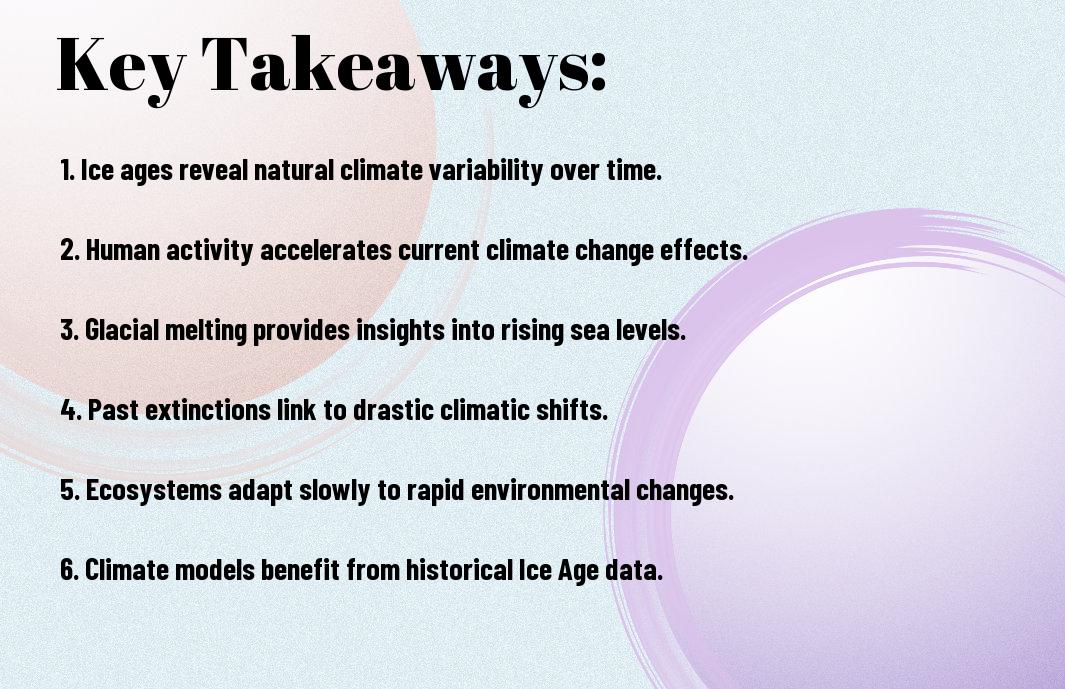
- Historical Evidence: The Ice Age provides a record of natural climate fluctuations, showcasing how ecosystems respond to drastic temperature changes over millennia.
- Human Impact: The transition from the Ice Age to the current climate illustrates the significant effect of human activity on global warming, emphasizing the need for sustainable practices.
- Adaptation and Resilience: Species’ adaptation during the Ice Age highlights the importance of biodiversity and ecosystems’ resilience in addressing contemporary climate challenges.
Understanding the Ice Age
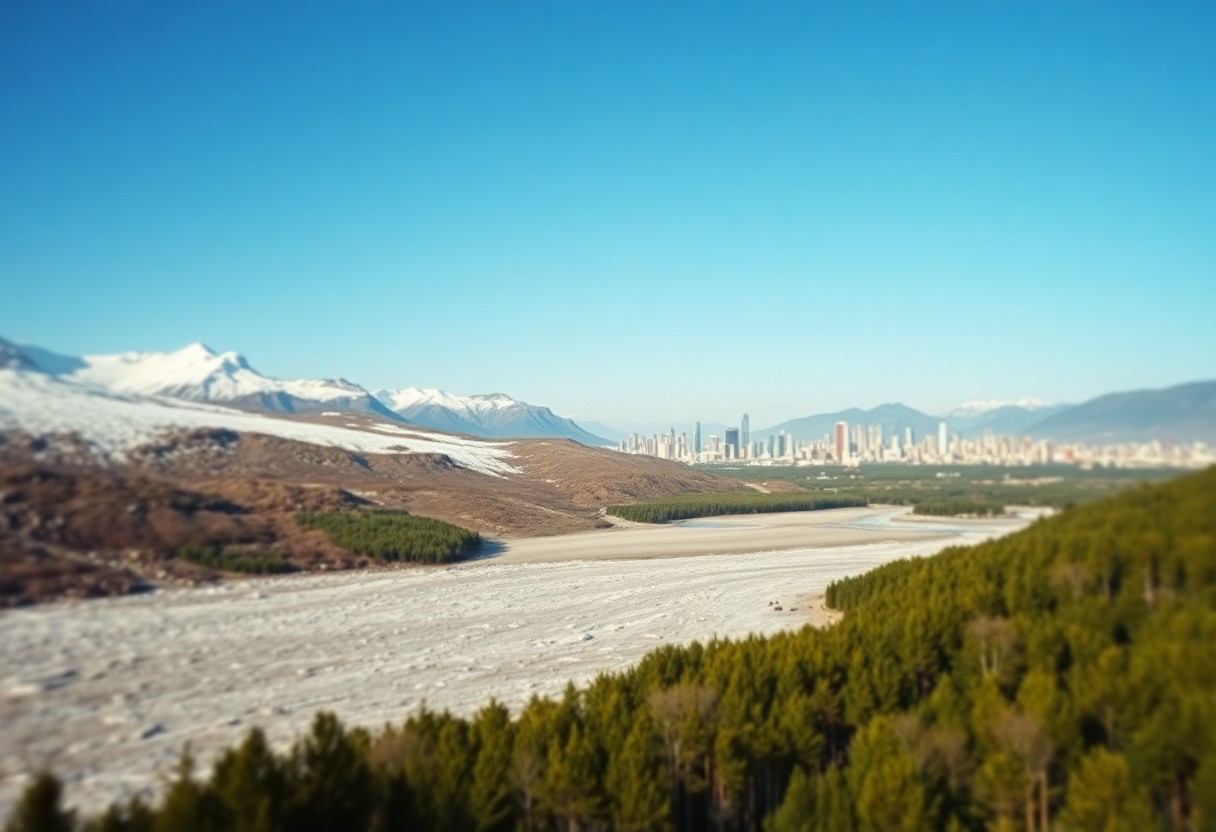
To appreciate the lessons of the Ice Age, you need to probe into its complexities, including the climate transformations and ecological shifts that defined this epoch. The Ice Age, occurring over the last 2.4 million years, was marked by alternating glacial and interglacial periods, significantly influencing earth’s climate, sea levels, and biodiversity. Your understanding of these patterns is imperative as you explore their relevance to our contemporary climate crisis.
Overview of the Ice Age
Across this extensive period, the Earth experienced a series of cold and warm phases, fundamentally reshaping landscapes and wildlife. The Ice Age is not merely a single event but encompasses several glacial cycles, each varying in intensity and duration. As you study this timeframe, you’ll see how drastically climate fluctuations influenced human migration and survival.
Key Events and Phases
To comprehend the Ice Age effectively, it’s imperative to focus on its key events and phases, which provide context for understanding climate dynamics. This era featured significant glacial expansions, retreats, and varied temperatures that led to profound changes in ecosystems. By examining these phases, you can better recognize the patterns that may influence today’s climate challenges.
This examination of key events and phases highlights the timing and effects of glacial advances, such as the Last Glacial Maximum around 20,000 years ago, and subsequent warming phases. You can identify the cause-and-effect relationships between atmospheric conditions and ecological responses during these critical periods. Understanding these connections empowers you to relate past climate changes to the pressing issues we face today, such as global warming and habitat loss.
Climate Change Mechanisms
While the Ice Age offers valuable lessons about climate change, understanding the mechanisms behind these shifts is important for discerning their implications for our future. These mechanisms encompass a range of natural and human-induced factors that drive changes in our climate system, influencing temperature, weather patterns, and ecological conditions.
Natural Climate Drivers
To comprehend climate change, you must consider natural climate drivers, including volcanic activity, solar irradiance, and ocean currents. These forces play a significant role in shaping climate over millennia, establishing a baseline for understanding how human activities interact with and disrupt these natural processes.
Human-Induced Changes
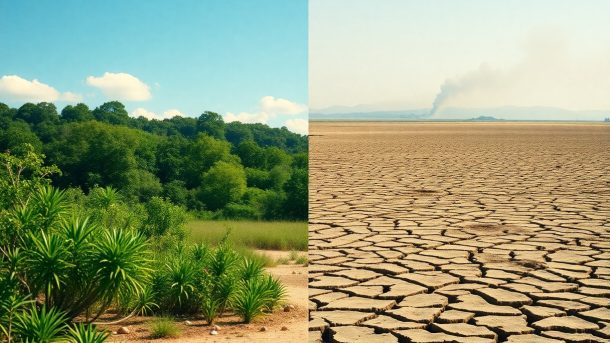
Beside natural factors, human-induced changes have emerged as a dominant force affecting our climate. Your activities, from industrial emissions to deforestation, have intensified the greenhouse effect, leading to accelerated global warming and altering weather patterns across the globe.
Further, the consequences of human-induced changes are profound and far-reaching. As you burn fossil fuels, release agricultural pollutants, and engage in land-use changes, you contribute to the accumulation of greenhouse gases in the atmosphere. This process not only raises global temperatures but also disrupts local climates, resulting in more severe weather events, shifts in biodiversity, and unprecedented challenges for ecosystems and societies alike. Understanding these human impacts empowers you to take informed actions toward mitigating climate change and preserving the environment for future generations.
Lessons from the Ice Age
Now, as you explore the Ice Age, you uncover valuable lessons about how species adapted and thrived in a dramatically changing climate. The dramatic fluctuations in temperature reveal the resilience of life on Earth and highlight the importance of understanding past events to navigate present and future challenges. This ancient chapter in our planet’s history holds vital insights into how you can respond to ongoing changes in your environment.
Biological Adaptations
From the massive woolly mammoth to the tiny Arctic hare, the Ice Age exemplified how organisms developed remarkable adaptations to survive. You can learn how various species evolved physical and behavioral traits that enabled them to endure extreme cold and scarce food resources, showcasing nature’s incredible ingenuity. These adaptations remind you of the importance of flexibility and resilience in the face of changing conditions.
Impact on Ecosystems
Against the backdrop of the Ice Age, entire ecosystems underwent profound transformations, shaped by both climatic shifts and the adaptations of various species. You can see how such dramatic changes led to the rise and fall of populations, influencing biomes across the globe. Understanding these interactions helps you grasp the intricate balance that exists within ecosystems today.
This impact on ecosystems was not uniform, as different regions reacted differently to the Ice Age conditions. As the climate cooled, forests retreated while tundra expanded, altering habitats and creating new dynamics among species. You can gain insight into how these changes drove biodiversity patterns and prompted migrations. The lessons from this period reveal the interconnectedness of life and underscore the consequences of rapid climate changes you might face today, demonstrating that adaptation is key to survival in a shifting world.
Ice Core Data and Climate Projections
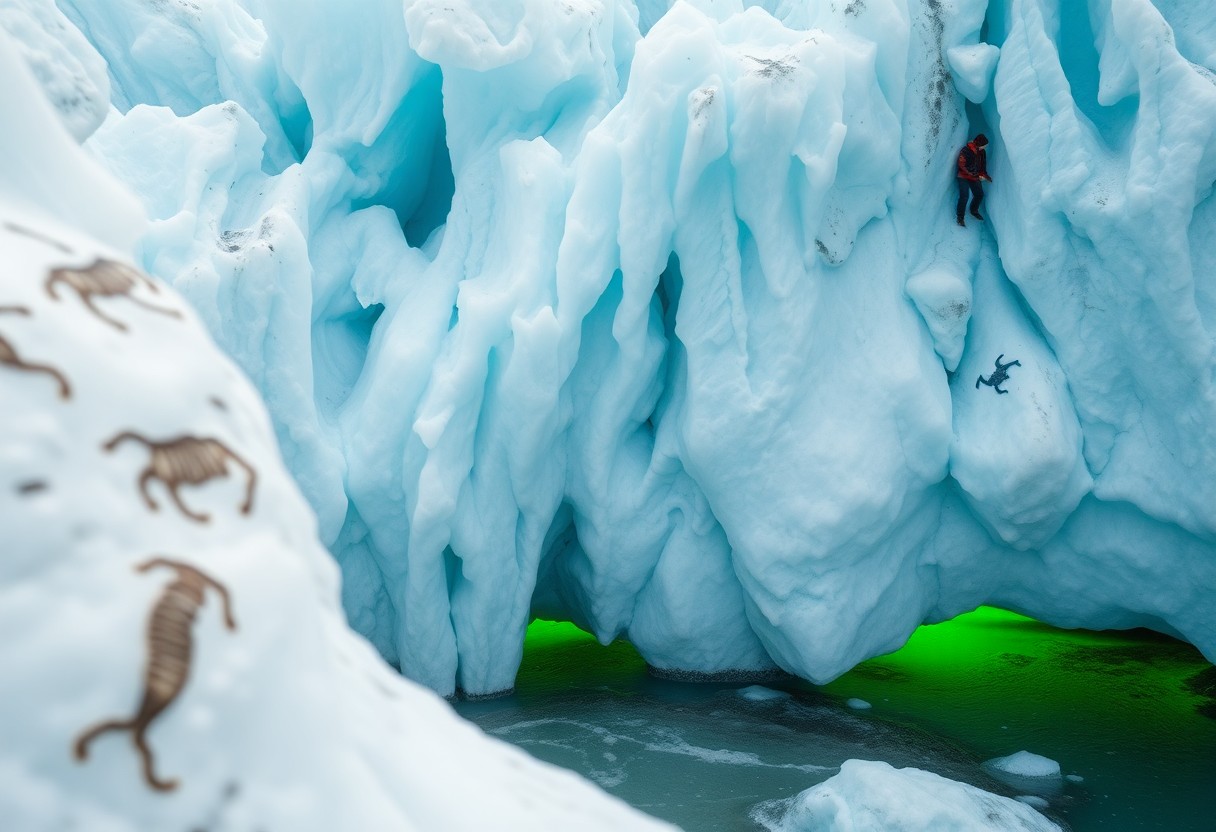
All around the world, scientists drill deep into ice sheets to extract ice core samples that hold vital information about Earth’s past climate. These cylindrical samples provide you with valuable data on atmospheric composition, temperatures, and greenhouse gas concentrations over millennia, revealing how climate systems responded to changes. By studying these cores, you can better understand the conditions that led to previous warming and cooling periods, aiding in your comprehension of our current climate crisis and future trajectories.
Analyzing Ice Core Samples
Against the backdrop of shifting climate patterns, analyzing ice core samples has become a key part of understanding our planet’s environmental history. You will find that these ice cores contain trapped air bubbles that preserve ancient atmospheres, allowing you to examine historical carbon dioxide and methane levels. This data shows you how natural variations have influenced climate over thousands of years, providing context for today’s rapid changes.
Predicting Future Climate Patterns
Across various research initiatives, ice core data serves as a foundation for predicting future climate patterns. By comparing historical data with current trends, climate scientists can model potential scenarios and identify pathways for future warming. Understanding how atmospheric conditions have changed helps you grasp the likely impacts of human activity on climate, making it easier to appreciate the urgency of taking action.
At the forefront of climate science, modeling future climate patterns involves integrating ice core data with contemporary observations and advanced simulations. This approach allows you to visualize potential scenarios based on different levels of greenhouse gas emissions. You gain insights into possible temperature increases, sea level rises, and shifts in weather patterns over the coming decades. Such projections underscore the importance of addressing climate change proactively and the need for sustainable practices in your community and daily life.
Historical Climate Events and Their Lessons
Your understanding of past climate events provides valuable insights into our current climate crisis. These historical occurrences not only reveal patterns of change but also highlight the resilience and adaptability of both nature and humanity. By examining these events, you can gain a clearer perspective on how to navigate the challenges ahead in a rapidly warming world.
The Younger Dryas
Around 12,900 to 11,700 years ago, the Younger Dryas marked a sudden return to colder conditions, interrupting the warming trend that followed the last Ice Age. This dramatic shift had far-reaching effects on ecosystems and human societies of the time, leading you to consider how a similar abrupt climate event could impact your world today.
Abrupt Climate Changes
Between glacial and interglacial periods, Earth has experienced significant and rapid climate shifts. These transitions, often occurring within decades, remind you that climate can be volatile and unpredictable, posing numerous challenges for both natural systems and human communities.
At various points in Earth’s history, evidence shows that abrupt climate changes could dramatically alter habitats and weather patterns, pushing species to adapt quickly or face extinction. For you, this underscores the importance of being proactive rather than reactive in the face of climate change, as our current trajectory might lead to similar disruptions. Understanding these patterns helps you prepare for the potential consequences of rapid changes in your environment, illustrating the urgent need for sustainable practices and policies today.
The Role of Ice Sheets and Glaciers
Not only do ice sheets and glaciers serve as vital indicators of climate change, but they also significantly influence global temperatures and weather patterns. These massive formations act as Earth’s cooling system, reflecting sunlight and regulating temperatures. As you study their dynamics, you’ll appreciate how changes in their volume and distribution have profound implications for both regional and global climates.
Contributions to Sea Level Rise
At the current rate of ice melt, the contributions of ice sheets and glaciers to sea level rise are alarming. The melting of the Greenland and Antarctic ice sheets alone could add several feet to sea levels, posing severe risks to coastal populations and ecosystems. Understanding these contributions allows you to grasp the urgency of addressing climate change and its wide-ranging impacts.
Feedback Loops in Climate Systems
With every change in ice sheet mass, feedback loops are activated that can further accelerate climate change. The loss of ice reduces the Earth’s reflectivity, causing more heat absorption and, consequently, more warming. This cycle illustrates how interconnected and responsive climate systems are, emphasizing the need for you to consider how these dynamics can escalate environmental challenges.
For instance, as glaciers shrink, they not only contribute to rising sea levels but also affect local ecosystems and weather patterns. The feedback loops generated by melting ice create conditions that can increase precipitation, affect ocean currents, and alter wind patterns. This further complicates climate models and predictions, reminding you that the effects of climate change are multifaceted and require a comprehensive understanding for effective action and adaptation.
Summing Up
As a reminder, the Ice Age offers vital insights into the complexities of climate change and its rapid shifts. By studying events like Abrupt Climate Change During the Last Ice Age, you can better understand how resilient ecosystems can be impacted. These historical patterns can help you grasp the potential consequences of today’s climate dynamics and underscore the importance of your role in addressing these pressing issues.
FAQ
Q: What does the Ice Age show us about past climate changes?
A: The Ice Age demonstrates significant shifts in climate over thousands of years, characterized by cycles of glacial and interglacial periods. These transitions were driven by natural factors such as volcanic eruptions, solar radiation variations, and Earth’s orbit changes. Studying these periods helps scientists understand the natural variability of Earth’s climate and the mechanisms that can lead to warming and cooling trends.
Q: How can we apply lessons from the Ice Age to current climate change?
A: The patterns observed during the Ice Age can help scientists model prospective future climate scenarios. By analyzing how ecosystems and species adapted or failed to adapt to rapid climate changes in the past, we gain insights into how current biodiversity may respond to ongoing warming. Furthermore, understanding historical CO2 levels and their correlation with temperature changes aids in our grasp of anthropogenic influences today.
Q: What role did human activity play during the Ice Age?
A: During the Ice Age, human populations were primarily hunter-gatherers, and their impact on the environment was relatively minimal compared to modern standards. However, the end of the Ice Age coincided with the rise of agriculture, leading to significant changes in land use and ecosystem dynamics. This shift indicates that while natural factors drive climate changes, human actions can also substantially influence environmental conditions, highlighting the need for sustainable practices in the present era.
Q: Can the Ice Age teach us about the potential consequences of climate change?
A: Yes, studying the Ice Age provides valuable insights into potential consequences of current climate changes. For instance, the melting of large ice sheets led to rising sea levels and altered ecosystems, results that we are beginning to witness today. The extinction of many species at that time also illustrates the potential threats posed to biodiversity due to rapid environmental shifts, underscoring the urgency of addressing today’s climate crisis.
Q: What are some positive adaptations seen during the Ice Age that could inspire current solutions?
A: During the Ice Age, some species adapted to colder climates by evolving new physical traits, altering their behavior, or migrating to more favorable environments. These adaptive strategies underline the resilience of nature and suggest that both ecosystems and human societies could identify innovative strategies to cope with climate impacts today. For example, enhancing ecological corridors may support wildlife migration while promoting agroecological practices can sustain food systems in changing climates.

Recent Comments