Climate change is an unprecedented challenge that will shape your world in ways you may not yet fully comprehend. As we look ahead to the next 50 years, it is imperative for you to understand the potential impacts on weather patterns, sea levels, and ecosystems. This blog post will guide you through the expected developments in climate science, helping you to grasp how these changes might affect your daily life and the planet as a whole. Equip yourself with the knowledge to navigate the future of our changing climate.
Key Takeaways:
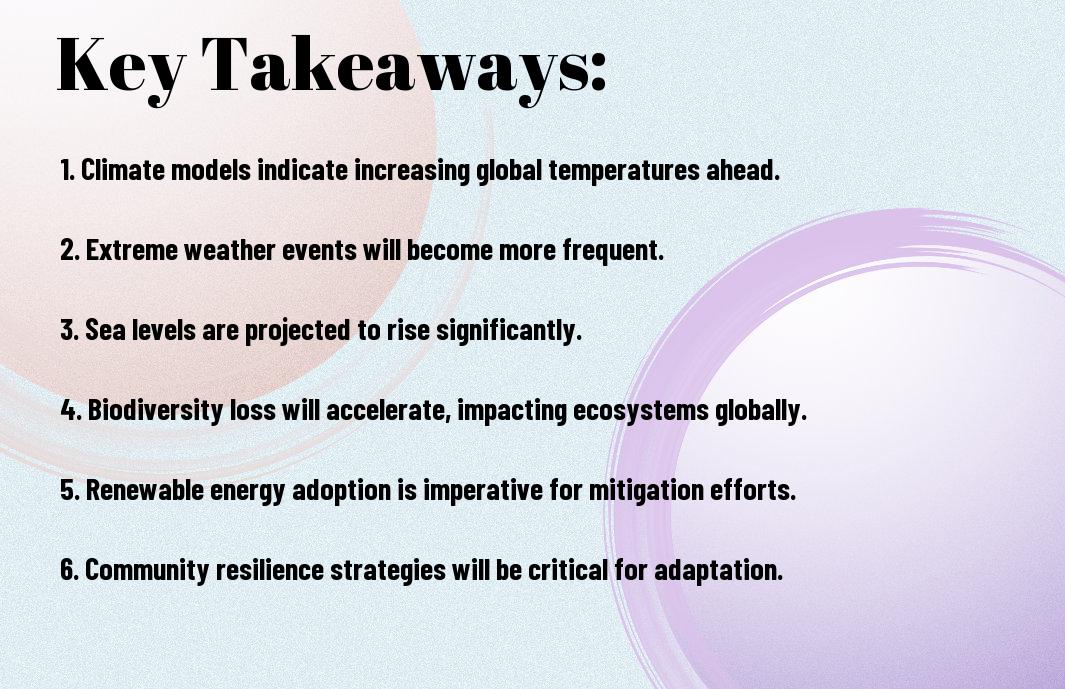
- Temperature Increase: Global temperatures are projected to rise by 1.5 to 2 degrees Celsius if current trends continue.
- Extreme Weather: Increased frequency of extreme weather events, such as hurricanes and droughts, will significantly impact ecosystems and societies.
- Sea Level Rise: Coastal communities will face challenges due to rising sea levels, potentially displacing millions and altering habitats.
- Carbon Emissions: Urgent reductions in carbon emissions are necessary to mitigate the most severe effects of climate change over the next five decades.
- Biodiversity Loss: Climate change will exacerbate pressures on wildlife and plant species, leading to potential losses in biodiversity.
Understanding Climate Change
As you explore into the complexities of climate change, it becomes crucial to grasp the driving forces behind the phenomenon. This knowledge will enhance your understanding of its impact on weather patterns, ecosystems, and global temperatures. You’ll learn the importance of reducing greenhouse gas emissions and how your actions can contribute to preserving our planet for future generations.
The Science of Climate Change
Any discussion of climate change begins with understanding the greenhouse effect and the role of atmospheric gases. These gases trap heat from the sun, maintaining a stable climate. However, human activities have significantly increased the concentration of these gases. By exploring scientific studies and data, you can grasp how these changes are influencing global temperatures and weather systems.
Historical Climate Patterns
Any examination of climate change would benefit from considering historical climate patterns. By analyzing past climate fluctuations, you can understand how natural factors, such as volcanic eruptions and solar cycles, have contributed to climate variability over millennia.
The examination of historical climate patterns reveals a complex interplay between natural phenomena and human influence. By studying ice cores, tree rings, and sediment layers, you can gain insights into how our climate has evolved. This historical perspective allows you to contextualize current changes and recognize the unprecedented rate at which they are occurring. Your understanding of these patterns is instrumental in predicting future trends and climate scenarios, positioning you to advocate for necessary changes effectively.
Current Trends in Climate Change
Clearly, the world is witnessing accelerated changes in climate patterns, marked by rising temperatures and extreme weather events. As you explore the Celebrating 50 years of Failed Climate Predictions, you’ll notice how previous forecasts often missed the mark, emphasizing the importance of current data and trends in climate science.
Global Temperature Increases
Among the most alarming trends is the consistent rise in global temperatures over the decades, which can be summarized in the table below:
| Year Range | Temperature Increase (°C) |
|---|---|
| 1880-1920 | 0.2 |
| 1930-1940 | 0.5 |
| 1970-2000 | 0.6 |
| 2000-2020 | 1.0 |
Impact of Human Activity
One of the most significant drivers of climate change is the impact of human activity. Your daily choices—from transportation to energy consumption—contribute to greenhouse gas emissions, further exacerbating global warming.
In addition, industrial practices, deforestation, and agricultural methods all release carbon dioxide and other greenhouse gases into the atmosphere. Understanding how your actions play a role can empower you to make more sustainable choices, helping to mitigate some of the adverse effects of climate change. Every small effort counts in the larger goal of reducing your carbon footprint, making a tangible difference in this global crisis.
Predictions for the Next 50 Years
All indications suggest that climate change will dramatically reshape our planet in the next half-century. You can expect rising global temperatures, more intense weather events, and shifting ecosystems that will impact everything from agriculture to water resources. The choices made today will determine the severity of these changes and whether adaptation measures can keep pace with the rapid evolution of our climate.
Climate Models and Projections
By analyzing vast amounts of data, climate models provide you with important insights into potential future scenarios that could unfold due to increasing greenhouse gas emissions. These projections simulate various outcomes based on current trends, helping you understand the possible impacts on global temperatures, sea levels, and biodiversity. The reliability of these models depends on the data inputs and assumptions, yet they serve as vital tools for informing policy and preparation strategies.
Potential Scenarios
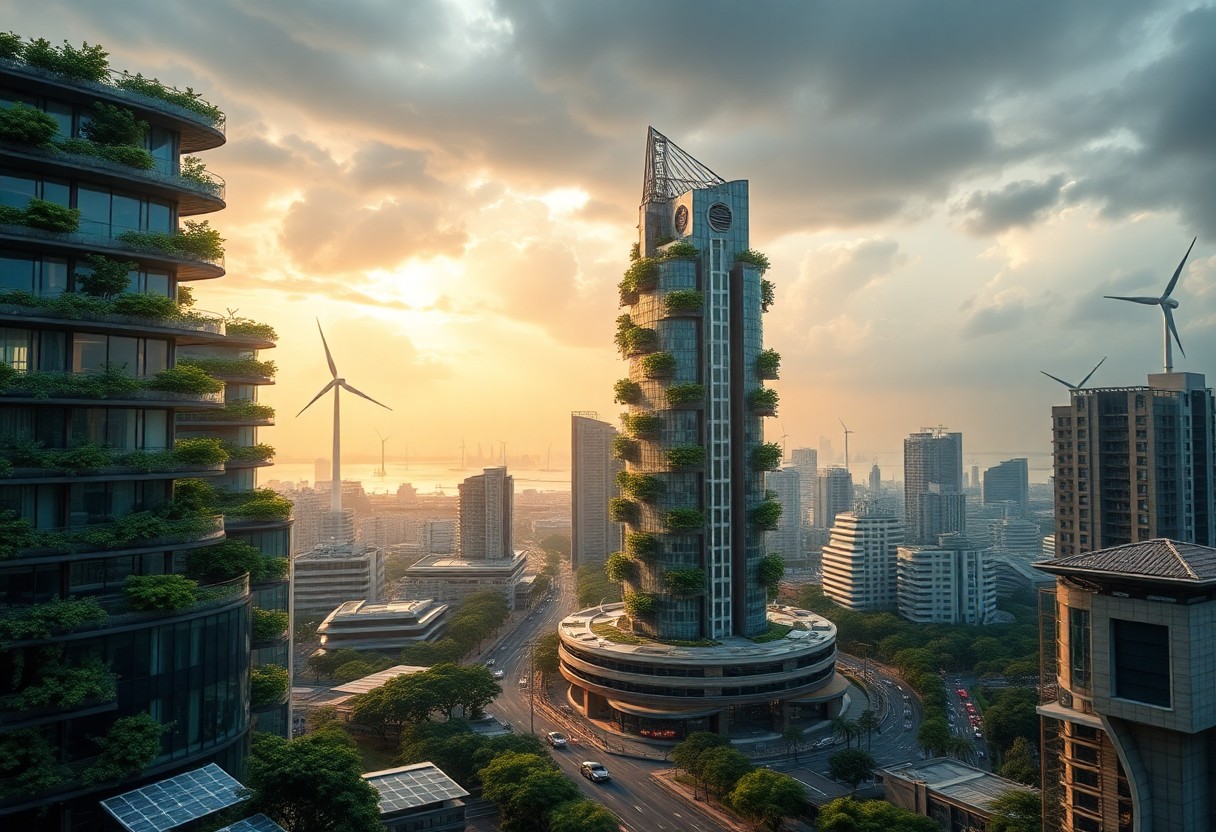
Models indicate that the next 50 years could yield several distinct climate scenarios, varying from business-as-usual to aggressive mitigation strategies. Your actions and policies will significantly influence which path is taken, with some scenarios forecasting widespread climate disruptions while others envision a more sustainable approach that limits warming. Understanding these potential futures can empower you to make informed choices today, whether at the individual, community, or government level.
Potential futures hinge on a variety of factors, including technological advancements, policy decisions, and levels of international cooperation. You could face scenarios ranging from significant sea-level rise impacting coastal cities to more localized effects such as droughts and floods. Increasing understanding of these possibilities enables you to prepare and adapt, fostering resilience in your community and lifestyle as we collectively navigate the challenges posed by climate change.
Regional Impacts of Climate Change
Despite the global nature of climate change, its impacts will vary significantly by region. You may find that your local environment undergoes transformations due to rising temperatures, altered precipitation patterns, and more frequent extreme weather events. Coastal areas could experience rising sea levels, while arid regions may face increased drought conditions. Understanding these regional impacts is vital for adapting to the shifting climate landscape and ensuring the resilience of communities and ecosystems in your area.
Effects on Weather Patterns
Behind these changes lie complex interactions among atmospheric conditions that determine how weather behaves. As the planet warms, you might notice more unpredictable weather patterns, including increased frequency of storms and shifts in seasonal temperatures. These alterations could impact your daily life, agriculture, and even water availability, showcasing the necessity for awareness and preparation in your local context.
Consequences for Ecosystems
Below the surface of these regional changes, ecosystems are already feeling the effects of a warming climate. You may observe shifts in species distributions, altered migration patterns, and changes in plant phenology. These consequences further threaten biodiversity and the overall health of your local habitats, emphasizing the importance of understanding and mitigating climate change impacts on ecosystems.
In fact, as climate change progresses, many ecosystems face profound disruptions that could lead to the loss of species and changes in community structure. You might witness declining populations of local flora and fauna, as their habitats change beyond recognition. This loss of biodiversity can threaten the services that ecosystems provide, such as clean air and water, food production, and climate regulation. Understanding these connections will be vital for you to contribute to conservation efforts and promote a sustainable future for the natural world around you.
Mitigation Strategies
Not only must you consider immediate reductions in greenhouse gas emissions, but you should also explore innovative mitigation strategies. As reported, AI predicts global warming will exceed 1.5 degrees in 2030s, which makes the urgency for these strategies even more pressing. By implementing a combination of energy efficiency, renewable energy development, and carbon capture technologies, you can substantially improve climate resilience.
Technological Innovations
Any of the sweeping technological innovations in recent years can play a significant role in your efforts to mitigate climate change. Innovations like advanced battery storage, smart grids, and climate-resilient agricultural practices empower you to both reduce emissions and adapt to emerging climate realities.
Policy Recommendations
Below are key policy recommendations that can support your climate change mitigation efforts. Building robust frameworks that incentivize clean energy, enhance public transportation, and implement carbon pricing mechanisms will drive collective action needed to curtail emissions.
Further, focusing on international cooperation will amplify your impact on a global scale. By advocating for agreements that engage all countries, you can help facilitate technology transfer, share best practices, and secure financial resources for climate initiatives. This collaborative approach not only fosters unity but also amplifies the effectiveness of local measures, ensuring that your efforts contribute to a larger, global strategy aimed at combating climate change.
The Role of Society
Once again, the future of climate change hinges on the collective actions of society. As individuals, your choices and behaviors can greatly influence environmental outcomes. It’s vital to understand that societal transformation requires collaboration, innovative solutions, and a commitment from all sectors, including governments, businesses, and communities. Your active participation in shaping policies and supporting sustainable practices will be pivotal in addressing climate change effectively over the coming decades.
Public Awareness and Education
Behind every successful climate initiative lies a foundation of public awareness and education. You play a vital role in fostering understanding and promoting informed discussions about climate change. By engaging with reliable information and educating yourself and others, you help build a society equipped to face environmental challenges. Knowledge empowers you to advocate for sustainable policies that can lead to impactful changes.
Community Initiatives
After recognizing the importance of grassroots movements, communities across the globe are initiating various programs to combat climate change. You can get involved in local initiatives that focus on sustainability, conservation, and renewable energy. Participating in these efforts not only strengthens communal ties but also amplifies the impact of collective action against climate-related issues.
Understanding the significance of community initiatives is vital for fostering a collaborative approach to climate change. These initiatives often involve local businesses, non-profits, and residents coming together to create sustainable practices that benefit everyone. You can participate in or support local efforts such as community gardens, clean-up drives, or renewable energy projects. By getting involved, you contribute to a culture of sustainability that encourages others to follow suit, ultimately leading to a larger movement that targets climate change at its roots.
Final Words
As a reminder, understanding and predicting the next 50 years of climate change is vital for you and future generations. You hold the power to influence outcomes through informed decisions, supporting sustainable practices, and advocating for policies aimed at mitigating climate effects. By staying engaged with scientific advancements and embracing innovative solutions, you can contribute positively to fighting climate change. Your role in this global challenge is significant, shaping not just your own environment but also the world’s future.
FAQ
Q: How are climate models used to predict changes over the next 50 years?
A: Climate models are complex mathematical tools that simulate the interactions between various components of the Earth’s climate system, including the atmosphere, oceans, land surface, and ice. These models take into account both natural processes and human influences, such as greenhouse gas emissions and land-use changes. By employing scenarios based on different levels of emissions and socio-economic development, scientists can forecast potential climate outcomes over the next 50 years. The results provide insights into expected temperature rises, changes in precipitation patterns, and the frequency of extreme weather events, which are necessary for planning and policy-making.
Q: What factors contribute to the uncertainty in predicting climate change over the next 50 years?
A: Uncertainty in climate predictions arises from several factors, including the complexity of the climate system itself and limitations in our understanding of certain processes. Variability in natural phenomena, such as volcanic eruptions and solar radiation changes, can also affect climate outcomes, making precise calculations challenging. Additionally, uncertainty remains regarding future human behavior, particularly related to emissions from industry and transportation, advancements in technology, and policy decisions aimed at mitigating climate impacts. These variables make it difficult to predict exact climate conditions, emphasizing the need for adaptive strategies in addressing climate change.
Q: How will climate change impact human societies in the next 50 years?
A: The impacts of climate change over the next 50 years are expected to affect human societies in various ways, including increased frequency and severity of weather-related disasters such as hurricanes, floods, and droughts. These events can lead to displacement of populations, loss of livelihoods, and strain on resources like water and food. Furthermore, rising sea levels could threaten coastal communities, while shifts in agricultural zones may impact food security. Health risks may also rise due to heat waves and the spread of diseases. It is vital for governments and communities to develop strategies to adapt to these changes and mitigate their effects on society.


Recent Comments