Energy sustainability is becoming increasingly important for you and your community, and biogas presents a promising opportunity to meet this demand. As you explore into this innovative energy source, you’ll discover how biogas can reduce waste and create a cleaner environment while providing reliable energy. This informative post will guide you through the benefits and potential applications of biogas in your life. For a deeper understanding, check out Biogas: A Sustainable Energy Solution for Urban ….
Key Takeaways:
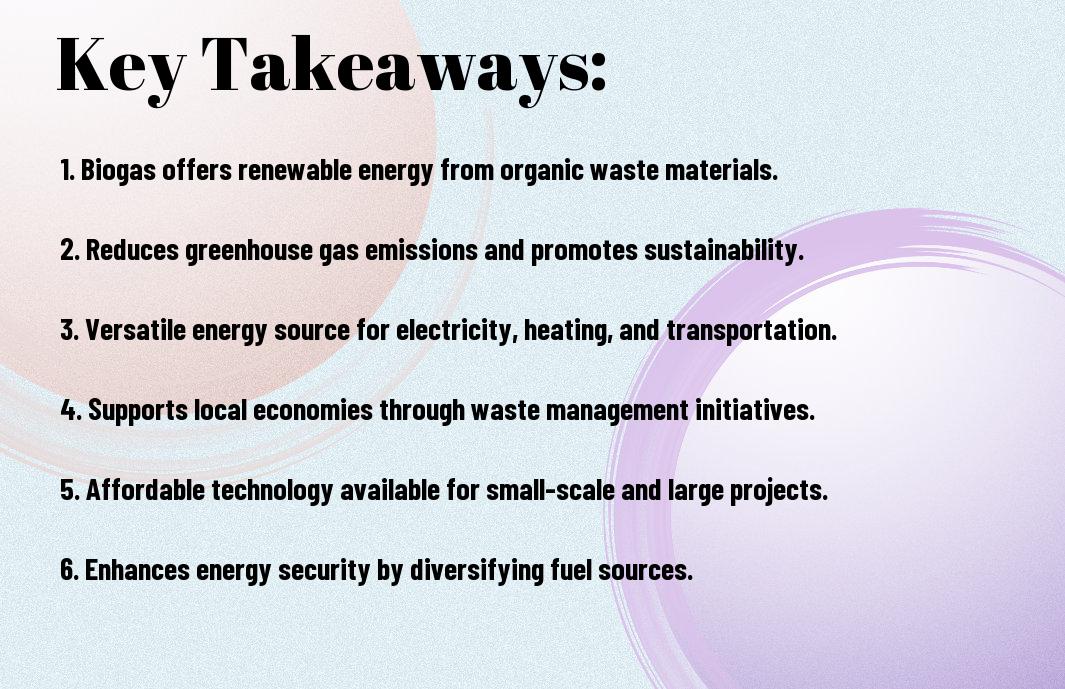
- Renewable Energy Source: Biogas is a sustainable solution derived from organic waste, making it an eco-friendly alternative to fossil fuels.
- Waste Management: Utilizing biogas systems helps in reducing landfill waste and enhances waste management practices by converting waste into energy.
- Energy Independence: Biogas can contribute to energy security and independence by providing local energy sources and reducing reliance on imported fuels.
- Economic Benefits: The biogas industry presents opportunities for job creation and stimulates local economies, particularly in agricultural sectors.
- Reduced Emissions: Utilizing biogas significantly lowers greenhouse gas emissions compared to traditional energy sources, contributing to climate change mitigation.
Understanding Biogas
Before venturing into the benefits of biogas as an energy source, it’s necessary to grasp what biogas actually is and how it’s formed. Biogas is a renewable energy source produced from the natural decomposition of organic materials. This process not only helps in energy generation but also contributes to effective waste management, making it a valuable solution for both environmental and energy challenges.
Definition and Composition
Understanding biogas begins with its definition: it is a mixture primarily composed of methane and carbon dioxide, along with trace amounts of other gases. This organic gas is generated through the anaerobic digestion of organic materials such as livestock manure, agricultural waste, and food scraps. Its unique composition makes biogas a versatile energy source that can be used for heating, electricity, and even vehicle fuel.
Production Process
Below, you will learn about the production process of biogas, which involves several key stages that transform organic materials into usable energy. The main procedure is anaerobic digestion, where microorganisms break down organic matter in an oxygen-free environment, resulting in biogas and digestate, a nutrient-rich byproduct.
To understand the production process better, it typically begins with collecting organic waste materials and placing them in a sealed digester. As the microorganisms feed on this organic matter, they produce biogas, which is then collected and processed for different energy applications. The remaining digestate can be used as a fertilizer, enriching soil while ensuring that nutrients are recycled effectively. By managing this process, you can significantly contribute to sustainable energy production and waste reduction.
Current Applications of Biogas
The versatility of biogas has led to its adoption across various sectors, offering sustainable solutions to current energy challenges. Today, you can find biogas powering homes, farms, and industries, significantly reducing carbon footprints and promoting renewable energy practices. From waste management to energy generation, biogas serves multiple functions, demonstrating its potential as an innovative energy source.
Energy Generation
Below are some impressive ways biogas is utilized for energy generation. By capturing and converting methane from organic waste, biogas plants create electricity and heat, which can be harnessed for both residential and commercial use. This renewable energy source not only reduces the reliance on fossil fuels but also provides a stable energy supply, making it an attractive option for energy security.
Agricultural Uses
One of the most impactful applications of biogas lies in agriculture. Through anaerobic digestion, farmers can transform livestock manure and organic waste into biogas, enhancing both energy production and waste management. This process enables you to address environmental concerns while simultaneously improving soil quality through nutrient-rich digestate.
And by integrating biogas systems on your farm, you can substantially enhance your operational efficiency. Utilizing the digestate as fertilizer not only improves soil health but also closes the loop on nutrient cycling. Additionally, this practice reduces greenhouse gas emissions, enhances waste management, and lowers energy costs, giving you a sustainable and economically viable farming solution.
Environmental Benefits
Now, as you explore alternative energy sources, biogas presents a promising solution for reducing environmental impacts. This renewable energy source not only diminishes reliance on fossil fuels but also contributes to cleaner air and water. By harnessing organic waste, biogas systems create energy while simultaneously addressing the pressing issue of waste management, making them an attractive option for sustainable energy production.
Waste Reduction
Along with generating energy, biogas plays a significant role in waste reduction. Your ability to divert organic materials from landfills means less methane gas is released into the atmosphere. Through anaerobic digestion, waste is converted into clean energy, effectively turning potential environmental hazards into a beneficial resource.
Carbon Emission Mitigation
Against climate change, biogas offers a viable path for carbon emission mitigation. By replacing fossil fuels in energy production, you decrease greenhouse gases significantly, thus contributing to a healthier planet.
Considering the impact of carbon emissions on global warming, biogas represents a formidable strategy for lowering your carbon footprint. By utilizing biogas systems, you can directly reduce reliance on traditional energy sources, such as coal and natural gas. The shift to biogas not only decreases carbon emissions but also promotes sustainable practices through the recycling of waste materials. Each unit of biogas produced equates to a measurable reduction in carbon, empowering you to contribute positively to the fight against climate change.
Economic Aspects
Despite its immense potential, the economic viability of biogas production warrants careful consideration. This renewable energy source often requires an initial investment in technology and infrastructure, yet it can lead to long-term savings on energy costs. With increasing pressure on fossil fuel prices, shifting towards biogas can improve energy independence while also contributing positively to local economies.
Cost-Effectiveness
On evaluating biogas production, you will find that it offers significant cost savings when compared to traditional energy sources. By harnessing organic waste materials, operational expenses can be minimized, leading to reduced utility bills and lower carbon footprint. Investing in biogas technology means tapping into an energy source that can yield financial benefits over time.
Job Creation Opportunities
Below the surface of biogas production lies the potential for job creation across various sectors. From farming to waste management, the shift to biogas requires a workforce capable of managing the entire lifecycle—from production to distribution. This can invigorate local job markets, particularly in rural areas where employment can be scarce.
Also, as you investigate deeper into the job creation opportunities within the biogas sector, you’ll see that this shift not only generates roles in plant operation and maintenance but also in research and development. Think about the diverse range of careers, from engineers and technicians to project managers and environmental scientists. The rise of biogas infrastructure fosters a growing demand for skilled labor and training programs, which can ultimately contribute to community sustainability and economic resilience.
Challenges in Biogas Adoption
Many consider biogas a promising renewable energy source; however, several challenges hinder its widespread adoption. From technological limitations to policy and regulation issues, overcoming these barriers is vital to unlock biogas’s full potential. You need to be aware of these challenges if you aim to contribute to the transition to this sustainable energy source.
Technological Barriers
Challenges in developing efficient biogas technologies often stem from the need for advanced systems that can handle various organic materials. You may encounter limitations in digesters and processing equipment, which can affect the efficiency and scalability of biogas production.
Policy and Regulation Issues
At present, inconsistent policies and regulations create significant hurdles for biogas adoption. Lack of clear guidelines or incentives can discourage investment in biogas projects, making it challenging for you to navigate the landscape of renewable energy options.
Hence, to foster biogas development, it is vital to advocate for supportive policies that facilitate investment, streamline permitting processes, and provide incentives for both producers and consumers. By creating a more favorable regulatory environment, you can contribute to overcoming these challenges and encourage increased commitment to biogas as a renewable energy source.
Future Prospects
To embrace the potential of biogas as a viable energy source, you should consider the growing recognition of its benefits in sustainability and waste management. The increasing demand for renewable energy and reduced carbon footprints creates a favorable landscape for biogas development, making it an attractive investment opportunity for the future. As technology advances and regulations evolve, your awareness of biogas could position you to benefit from its burgeoning market.
Innovations in Biogas Technology
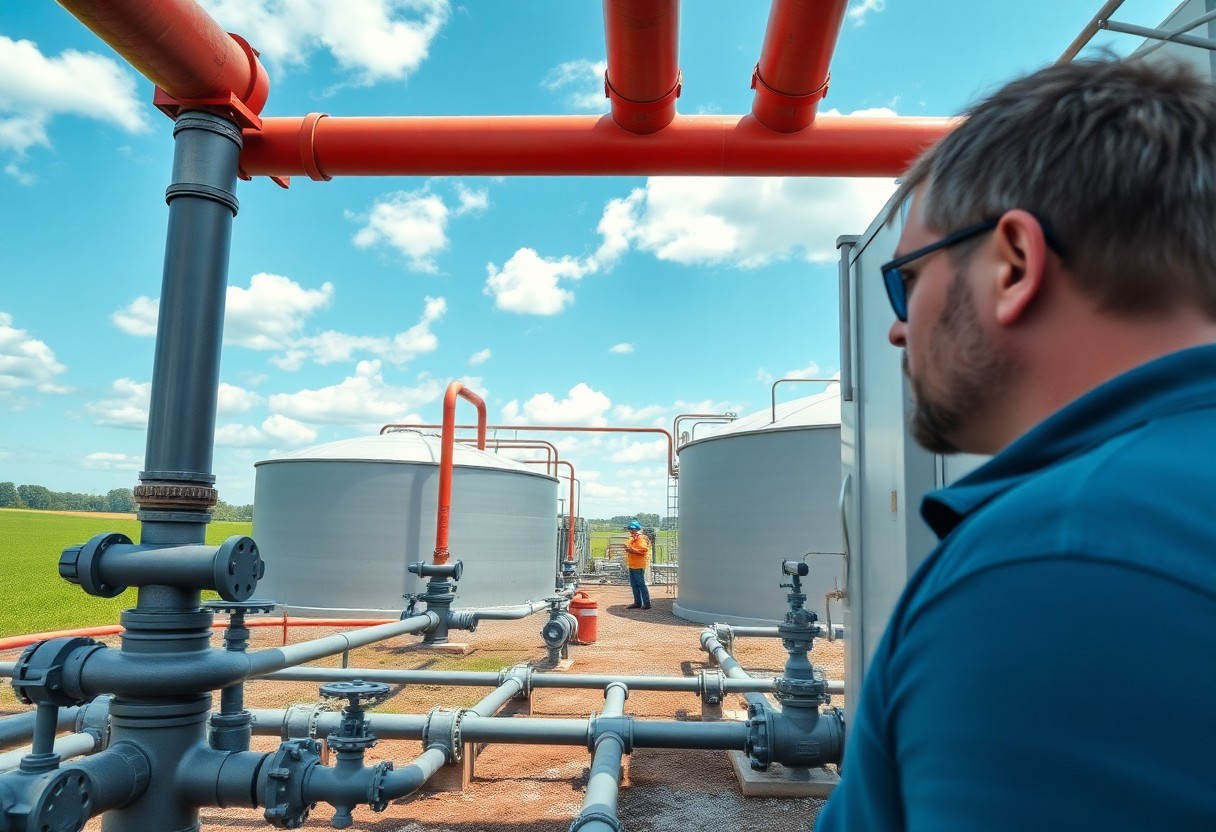
Behind the scenes, innovative technologies are emerging to enhance biogas production efficiency and increase its accessibility. Advances in anaerobic digestion, nutrient recovery, and hybrid systems are streamlining processes, making biogas more competitive with traditional fossil fuels. By keeping an eye on these developments, you can better understand how they can contribute to your energy needs.
Market Trends and Predictions
Before making any decisions about energy sources, you should familiarize yourself with current market trends that indicate a promising future for biogas. The growing emphasis on environmental sustainability and government incentives is driving investments in this sector, creating a surge in demand for renewable energy solutions. As you follow this trajectory, you’ll gain valuable insight into the potential of biogas in your local and global energy markets.
Innovations within the biogas sector are poised to catalyze significant growth, with predictions highlighting a robust expansion in both production capacity and technological advancements. The shifting landscape, characterized by regulatory support and consumer demand for clean energy, positions biogas as a competitive player in the renewable energy arena. By understanding these market dynamics, you can make informed choices about integrating biogas solutions into your energy portfolio for a sustainable future.
Summing up
So, as you explore the potential of biogas as the next big energy source, consider the numerous benefits it offers, such as sustainability, reduced waste, and energy independence. By harnessing organic materials, you can produce a renewable energy supply that not only mitigates environmental impacts but also supports local economies. As innovation and investment in biogas technology grow, you have the opportunity to participate in a cleaner, greener energy future that aligns with your values and addresses pressing global energy needs.
FAQ
Q: What is biogas and how is it produced?
A: Biogas is a renewable energy source generated through the anaerobic digestion of organic materials such as agricultural waste, food scraps, and sewage. During this process, microorganisms break down the organic matter in the absence of oxygen, producing a mixture of gases primarily composed of methane and carbon dioxide. This biogas can subsequently be captured and either used directly for heat and power generation or refined into biomethane for use as a vehicle fuel or injected into the natural gas grid.
Q: What are the environmental benefits of using biogas as an energy source?
A: Utilizing biogas offers several environmental advantages. First, it helps reduce greenhouse gas emissions by capturing methane—a potent greenhouse gas that would otherwise be released during the decomposition of organic waste. Second, it promotes waste management by diverting organic materials from landfills, where they would decompose and generate additional emissions. Additionally, using biogas for energy can reduce reliance on fossil fuels, leading to decreased air pollution and a smaller carbon footprint for energy production.
Q: How can biogas contribute to energy security and economic growth?
A: Biogas has the potential to enhance energy security by diversifying energy sources and reducing dependency on imported fuels. As it can be produced locally, communities can benefit from energy autonomy, which is particularly significant in rural areas. Economically, biogas production can stimulate job creation in several sectors, including agriculture, waste management, and renewable energy. Moreover, investments in biogas infrastructure can foster innovation and technological advancements, fostering a green economy while supporting sustainable agricultural practices.



Recent Comments